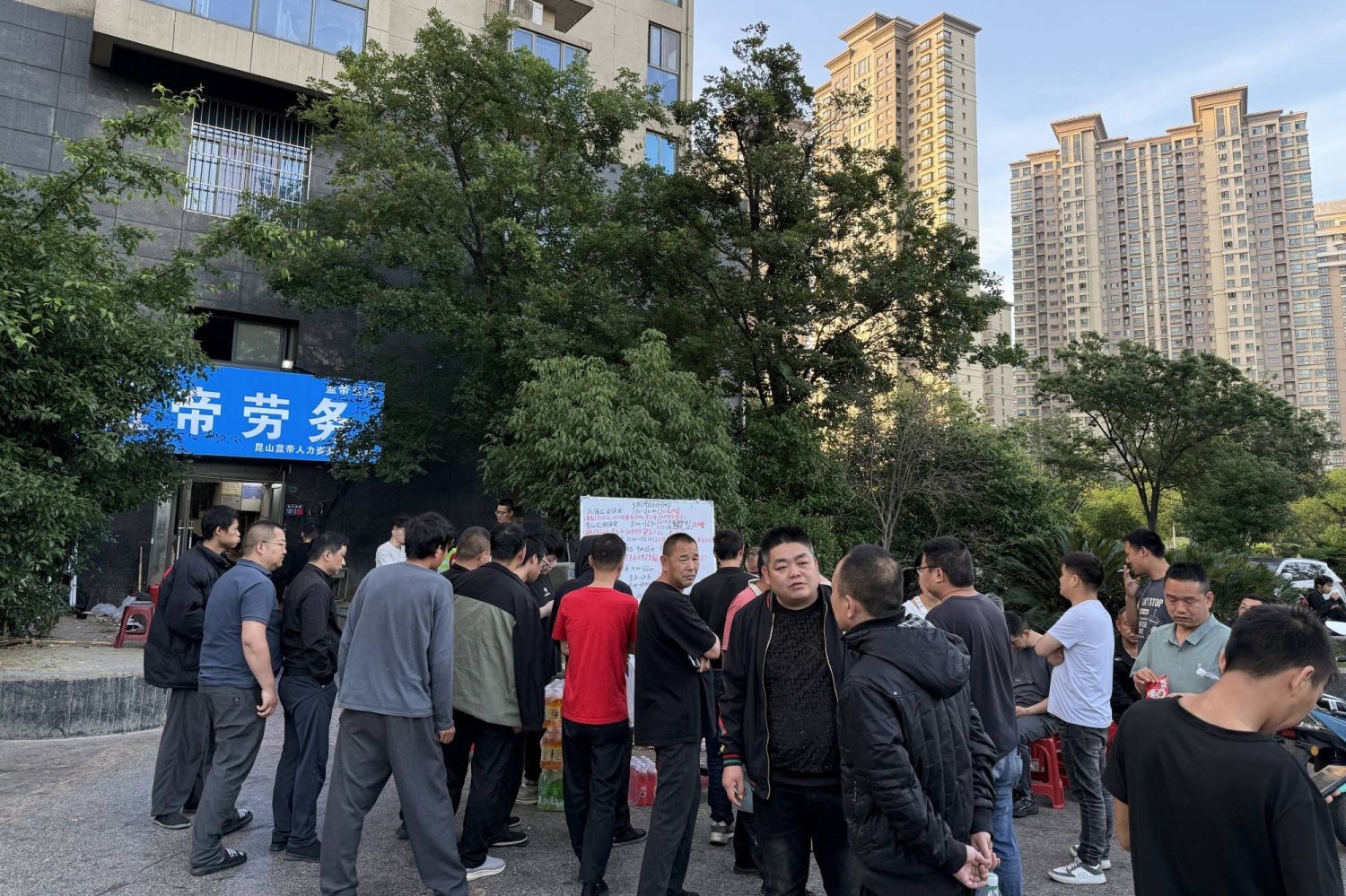
Workers in Kunshan, China's manufacturing hub near Shanghai, are sleeping in parks because they cannot find jobs despite the region's wealth and development.
The scene reveals a stark divide: while the area boasts manicured parks and modern infrastructure, local unemployed men camp out daily hoping to secure work, suggesting that automation and economic restructuring are displacing workers faster than alternatives emerge.
What happened
In Kunshan, a wealthy manufacturing hub near Shanghai, unemployed workers are spending days in public parks unable to find jobs. Men like Hu Xinbing, 31, rest on benches or in tents after unsuccessful job searches, waiting to try again the next day.
Why it matters
Kunshan is at the center of China's richest county, yet workers are being left behind despite the surrounding prosperity. The scene signals that automation and economic shifts in China's manufacturing heartland are displacing workers faster than new opportunities emerge for them locally.
What to watch
The article focuses on the human toll in one of China's most economically advanced regions—a sign of how deeply automation is reshaping employment in the country's industrial core.
Ask the AI about this article →
Kunshan presents a striking contradiction: it is located in China's richest county and features the infrastructure of prosperity—manicured ponds, modern playgrounds, and joggers in performance gear—yet in quieter corners of the park, about a dozen out-of-work men have established a daily routine of searching for jobs they cannot find. The unemployed workers, including 31-year-old Hu Xinbing, treat the park as a staging ground, resting between unsuccessful mornings of job hunting and preparing for another day of attempts. This juxtaposition reveals how automation and structural economic change in China's manufacturing sector are outpacing job creation, even in regions that have historically been engines of growth and prosperity. The workers remain geographically close to opportunity but functionally locked out of it, suggesting that the benefits of China's industrial advancement are not reaching those whose labor was once central to that growth.
For example, today's edition would include:
AI-summarized, only the topics you pick — one digest a day via Email, Slack, or Discord.
Free · takes 30 seconds · unsubscribe anytimeWhat is AIToday? →
Ask AI anything about this article. Q&As are published on this page for other readers too.
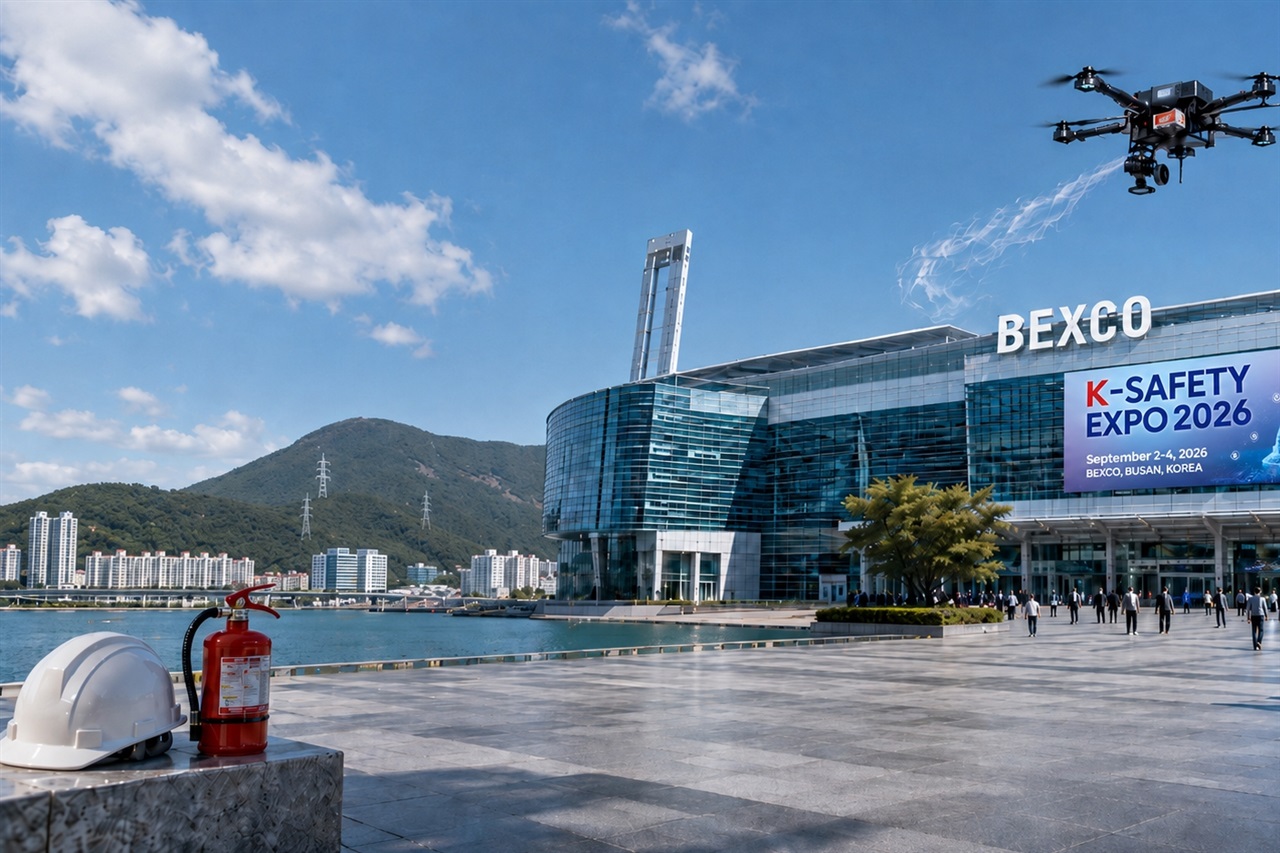
K-Safety Expo 2026 will be held at BEXCO in Busan from September 2–4, featuring AI, robots, sensors, and conne…
Skild AI has introduced S1, its flagship robot foundation model, which lets robots learn new, complex tasks by…
BHP, the world's largest mining company by market capitalization, has deployed AI across its operations
John Deere announced a three-year, $10 million research and development partnership with ag-tech company Reser…

On July 16, 2026, NVIDIA announced that 22 Japanese companies and organizations have expressed intent to join…

Panasonic HD has established a new AI and robotics research and development division, and CAIO Sakaba is leadi…