What happened
Path Robotics, a Columbus, Ohio-based company, has applied AI to optimize robotic welding by identifying torch paths and using real-time vision guidance to maintain optimal movement during welding operations. The company is also deploying Boston Dynamics' Spot quadruped robots into mobile welding applications in shipbuilding.
Why it matters
The company's work centers on building adaptive, AI-driven robotic systems designed for real-world production environments, addressing longstanding difficulties in setting up and using robots for welding applications. This approach could improve how manufacturers deploy robots for complex, precision-dependent tasks.
What to watch
Path Robotics' strategy focuses on applying physical AI to manufacturing challenges, combining vision-guided torch control with mobile robot platforms to expand welding automation into new shipbuilding workflows.
Summaries like this, every morning.
Path Robotics addresses a persistent challenge in manufacturing: the difficulty of setting up and operating robots for welding, a task requiring precision and adaptability across varied workpiece geometries. By combining vision-guided torch control with AI algorithms that determine optimal paths, the company moves beyond pre-programmed robot routines toward adaptive systems that respond to real-world production conditions. The deployment of Boston Dynamics' Spot robots for mobile welding in shipbuilding signals a shift toward using quadruped platforms—traditionally developed for inspection and mobility tasks—as active manufacturing tools, suggesting manufacturers are beginning to trust mobile robots with production-critical work.
CEO Andy Lonsberry's strategy of applying "physical AI" reflects a broader industry shift from static automation toward systems that learn and adjust on the job. The company's focus on building AI-driven systems for real-world production environments, rather than controlled lab settings, points to a pragmatic approach: solving the concrete friction points that have kept advanced robotics out of facilities where manual or older automation still dominates.
Pick your industry and the AI tools you use, and get news related to your work every day.
Free · 30 seconds with Google · unsubscribe anytimeWhat is AIToday? →
Ask AI anything about this article. The AI reads this article, earlier AIToday articles, and Wikipedia, and cites its sources. Q&As are published on this page for other readers too.
Sony Innovation Fund Senior Investment Director Kei Furukawa said the fund has backed roughly 220 startups wor…

Eka Robotics said this week it raised $150 million in Series A funding, led by Andreessen Horowitz and F-Prime…
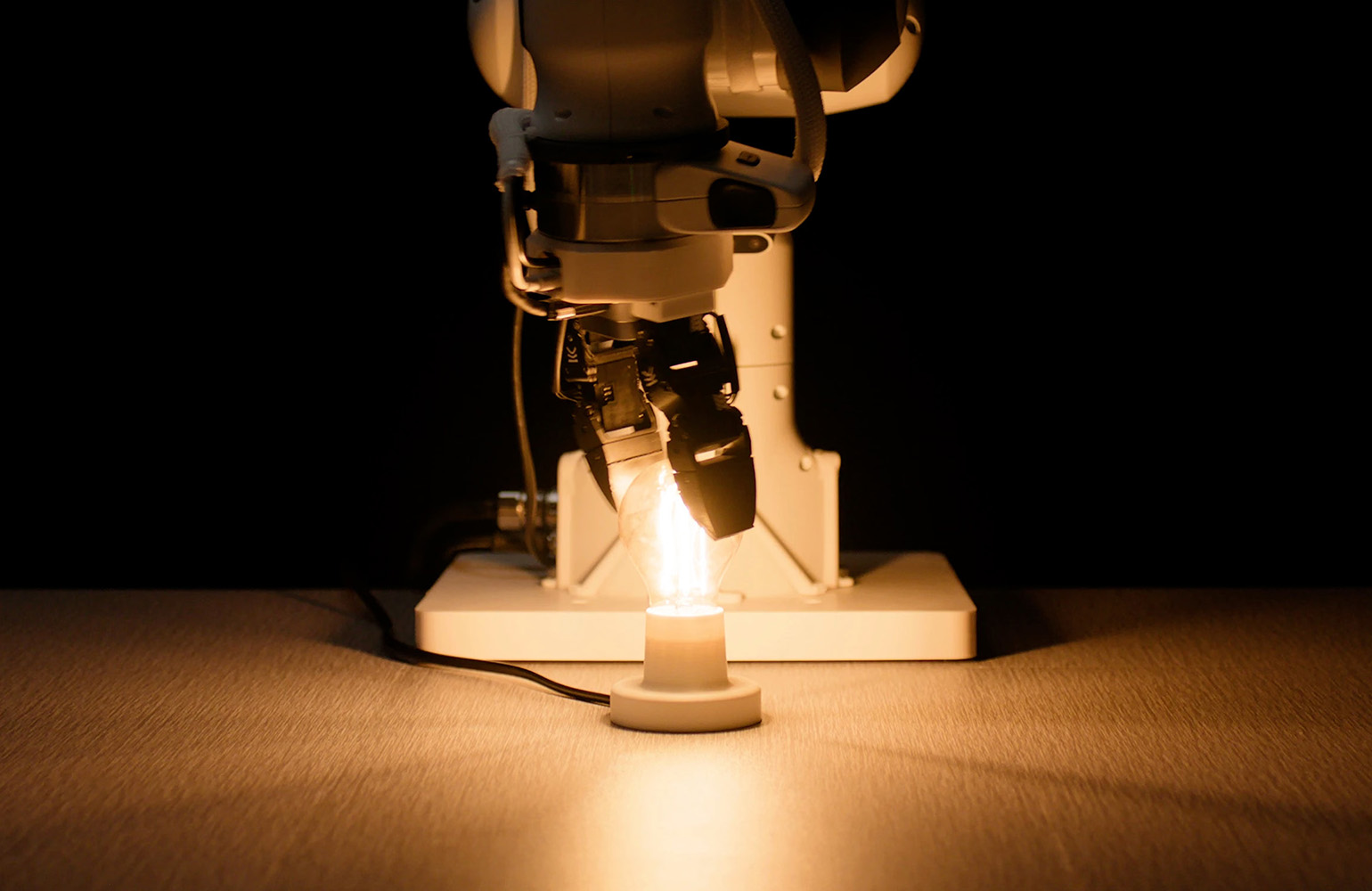
Warp Sciences, an AI-and-robot chemistry CRO led by ex-OpenAI product chief Kevin Weil, launched on the 22nd w…

Tesla cut its 2026 capex guidance by $5 billion to $20 billion, just three months after lifting it by $5 billi…

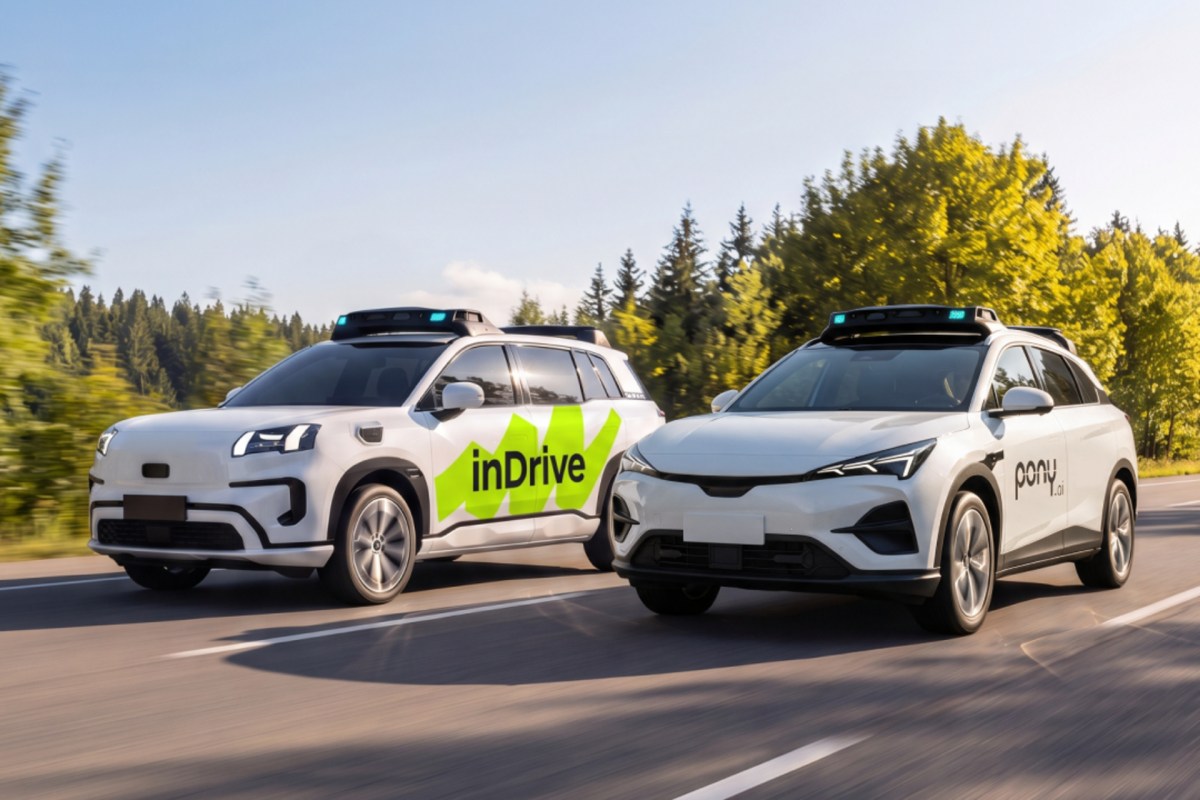
inDrive, Pony.ai and Nvidia signed a memorandum of understanding to test Pony.ai's Gen-7 robotaxis in Astana…
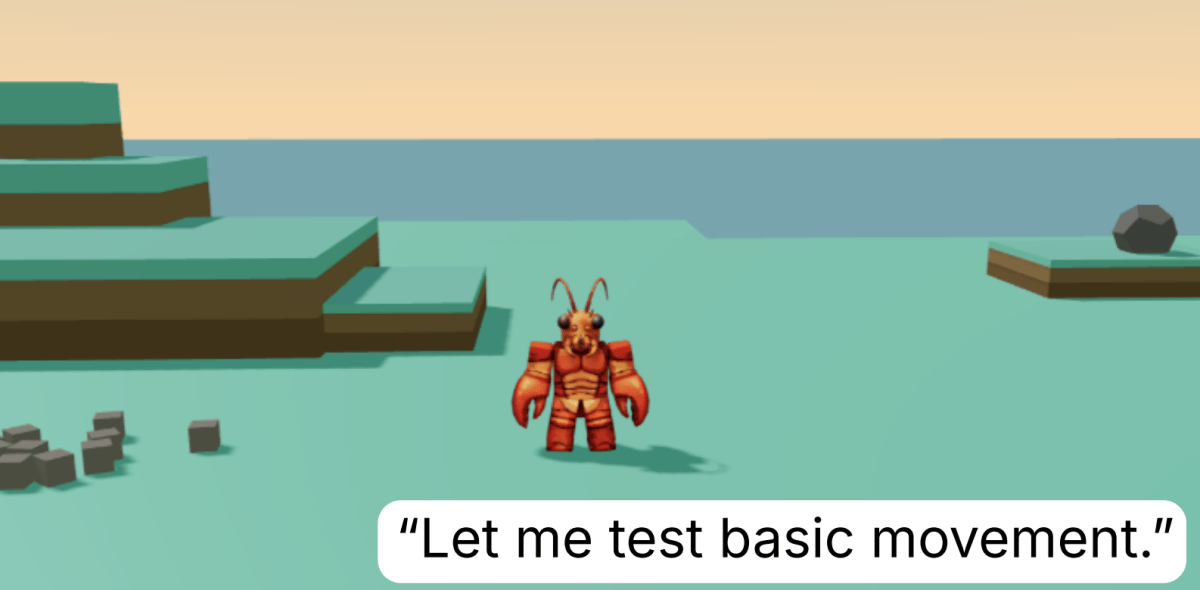
MIT researchers put 13 Eko agents, each running on Claude Opus 4.7, alone on a simulated desert island for 30…