What happened
BlackRock's head of global technology, Tony Kim, returned from his 13th annual tech tour across San Francisco and Silicon Valley in June with 35 colleagues, observing that AI investment is expanding beyond model development into data center design, physical systems like autonomous vehicles and humanoid robots, and low Earth orbit satellites. The conversation has shifted from pure AI models to compute-centric infrastructure and the supply chains supporting it.
Why it matters
As AI infrastructure demand grows, scarcity is emerging in energy, materials, and semiconductors—challenges that space-based compute may partly address. The value accrual in technology markets is now concentrated in compute and model-centric companies rather than broader software players, signaling a reshaping of which technology businesses will benefit most. Companies tied to the physical buildout of AI (power, chips, data centers, satellites) may be positioned differently from service-oriented software vendors.
What to watch
Real adoption of physical AI systems is expected within the next five years, with Kim noting that a million-plus cars and humanoids in production could be possible. Self-driving trucks without drivers are expected to begin operating in Texas in the beginning of next year, marking a shift from pilots to operational deployment. The integration of satellite constellations for both AI data (via satellite imagery) and compute infrastructure represents a new frontier in AI's infrastructure layer.
Summaries like this, in your inbox every morning.
The tech landscape is undergoing a fundamental reorganization driven by AI's maturation from software innovation to physical infrastructure buildout. Where AI investment conversations two years ago centered on language models and software platforms, the discussion has now moved to the hardware and energy foundations required to power those systems at scale. This shift reflects a recognition that the bottleneck to AI growth is no longer algorithmic but logistical: energy supply, semiconductor capacity, data center construction, and the power and cooling infrastructure supporting them. Kim's observation that value is concentrating in compute and model-centric technology companies signals a repricing of the market, with winners being those tied to the physical layer (chip makers, power companies, data center operators, and now satellite providers) rather than pure software or application-layer businesses. The emergence of space-based compute as a serious topic underscores how scarcity—particularly in energy and terrestrial real estate for data centers—is driving companies to explore unconventional solutions. The timeline Kim outlined, expecting mass adoption of autonomous vehicles and humanoids within five years, suggests that the next phase of AI's economic impact will manifest not in better chatbots but in the physical economy: transportation, manufacturing, and logistics. This represents both an investment opportunity and a structural risk for technology companies whose business models were built around software economics rather than hardware and infrastructure buildout.
Pick your industry and the AI tools you use, and get news related to your work every day.
Free · 30 seconds with Google · unsubscribe anytimeWhat is AIToday? →
Ask AI anything about this article. The AI reads this article, earlier AIToday articles, and Wikipedia, and cites its sources. Q&As are published on this page for other readers too.
In Q2, billionaires or their funds sold six 'Magnificent Seven' AI stocks
Nvidia was rising early Friday, even as the wider chip sector kept falling, Barron's reported
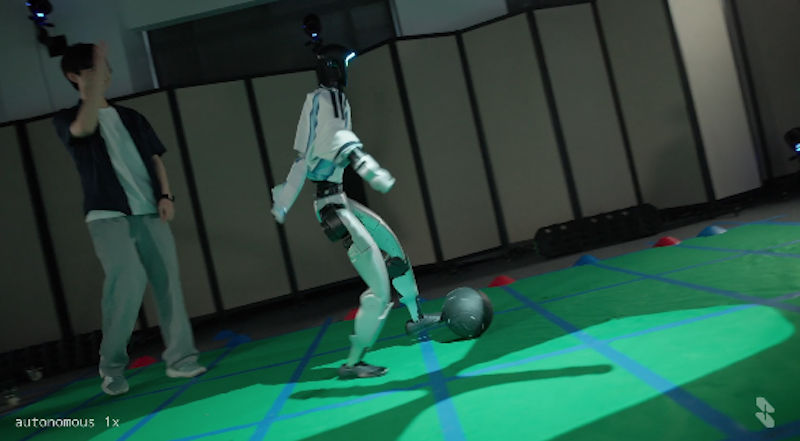
Skild AI used Nvidia Isaac Sim to give its S1 model one objective — score a goal — and let it compete against…
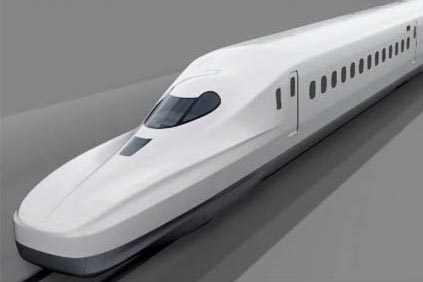
JR Central announced the S0系 on October 16, its first full model change since the N700S, with commercial servi…
TSMC reported about NT$763.1b in Q3 net profit and confirmed that demand for advanced processors is running ah…

Nvidia-backed CoreWeave steadied Thursday after a sharp slump, as investors worried about the debt financing b…