What happened
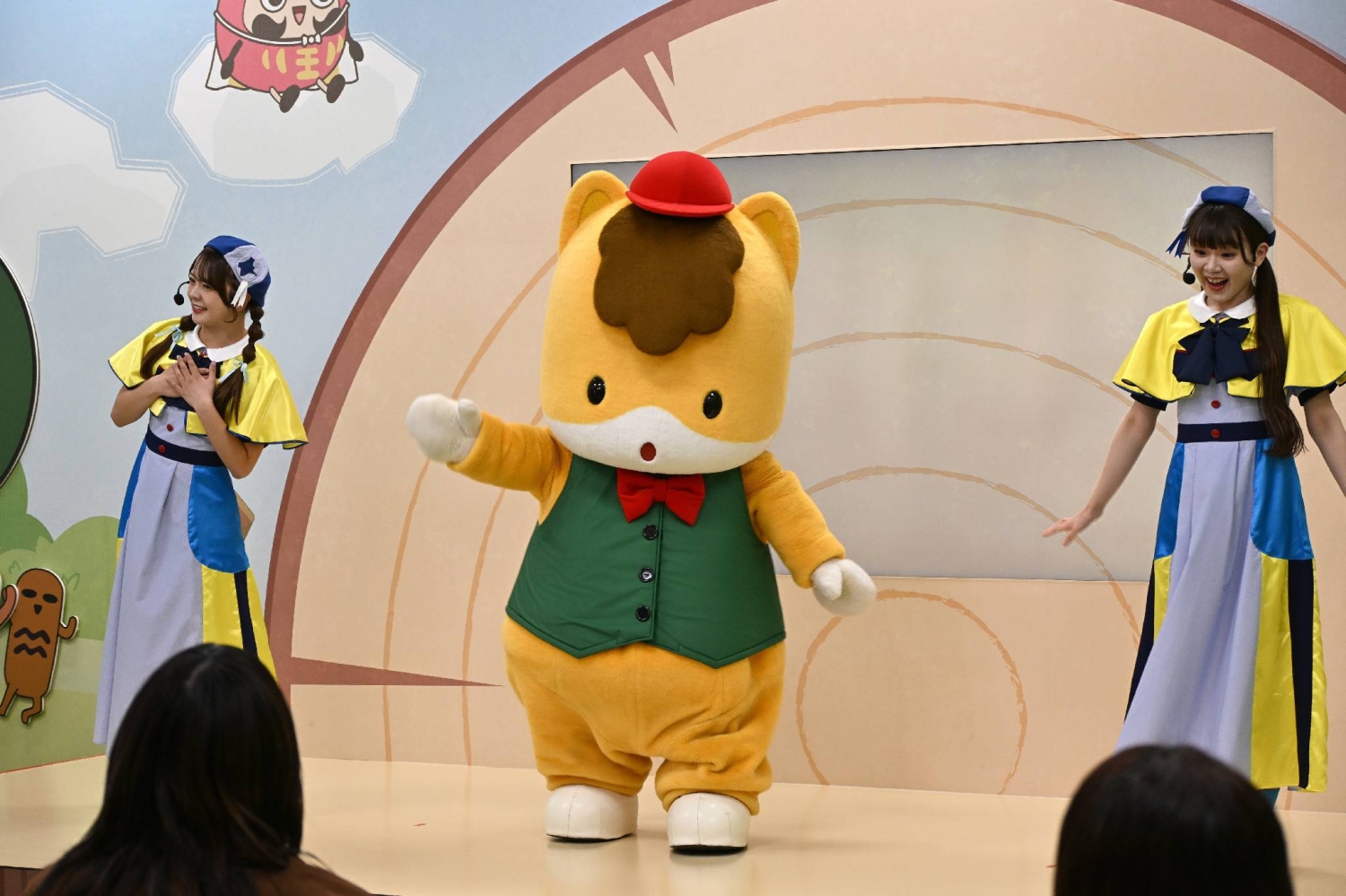
Gunma Prefecture is expanding Gunmachan activities at home and abroad, with related product sales reaching a record ¥66 billion last year, and a plan emerged to more than double sales in two years.
Why it matters
The mascot, now appearing at events around the country and at animation festivals overseas, has seen related product sales more than double over the past six years, showing how a local character can become a revenue driver.
WHO IT HITSLocal governments and tourism boards in Japan may see mascot-driven merchandise as a viable way to promote regional products, though Gunmachan's sales remain far below those of Kumamon, which exceeded ¥150 billion in 2025.
Summaries like this, every morning.
Gunmachan was designed by Fumiko Nakajima, a former prefectural employee, for a sports event held in Gunma in 1994 for people with intellectual disabilities. Initially called Yumachan, the character was renamed Gunmachan in 2008. Nakajima recalled that she did not want a smiling character, choosing a face that looks as though it could whisper needed words — a design she described as always approachable and empathetic. In 2014, Gunmachan topped the yuru-kyara rankings among about 1,700 mascot characters. On Nov. 14, Nakajima gave a lecture in Maebashi titled "What Is Gunmachan?" to about 100 people, reflecting on the design process.
The prefecture's push extends beyond merchandise: a Gunmachan anime series produced by the prefecture began airing on U.S. television in October. Gunmachan and Kumamon often appear together at events, and officials from both prefectures said the two are friends rather than rivals. The sales target set by Gov. Yamamoto suggests the prefecture sees the mascot as a tool for promoting local attractions and expanding markets for its products.
Pick your industry and the AI tools you use, and get news related to your work every day.
Free · 30 seconds with Google · unsubscribe anytimeWhat is AIToday? →
Ask AI anything about this article. The AI reads this article, earlier AIToday articles, and Wikipedia, and cites its sources. Q&As are published on this page for other readers too.

