What happened
The Delhi High Court rejected Indian news agency Asian News International's (ANI) request for a preliminary injunction against OpenAI, denying relief on both copyright infringement and AI training claims. Judge Amit Bansal found that ANI's evidence contradicted its case—the cited articles were from August–September 2024, but the training data ended in April 2024, so they could not have been memorized. ANI also failed to produce a single verbatim copy despite using adversarial prompts that explicitly instructed the model to reproduce articles "exactly."
Why it matters
This is the first time a court has explicitly found that AI training falls under a private-use exception in copyright law. The judge applied India's "private or personal use, including research" clause and ruled that OpenAI's use was transformative and did not economically harm ANI—the two operate in different sectors, and ChatGPT outputs only return topics and article titles at best. However, the ruling leaves unresolved whether retrieval-augmented generation (RAG) outputs qualify as "communication to the public," a question the court will address in main proceedings.
What to watch
Courts worldwide are reaching conflicting conclusions on AI copyright. The U.S. Federal Trade Commission rejected the AI industry's argument that training on "vast troves of copyrighted works" broadly qualifies as fair use. In Europe, the Munich Regional Court ruled that song lyrics were reproducible in model weights (copyright infringement), while London's High Court dismissed the Getty Images v. Stability AI case. Beyond copyright, AI-powered search summaries pose a separate threat to news agencies: a Pew Research Center study found click-through rates to external websites dropped to 8 percent with Google's AI Overviews versus 15 percent without.
Summaries like this, in your inbox every morning.
The Delhi ruling arrives amid a patchwork of global court decisions on AI copyright. Some courts have sided with AI developers on fair-use grounds—the U.S. courts dismissed lawsuits from Raw Story, AlterNet, and GitHub Copilot's challengers, citing low odds of exact reproduction and lack of direct competition. A San Francisco federal court called Anthropic's AI training "spectacularly" transformative. Others have ruled against AI companies: the Munich Regional Court found that song lyrics are reproducible in model weights, and a court denied fair use in Ross Intelligence v. Thomson Reuters because the AI tool directly competed with Thomson Reuters' Westlaw database. The U.S. Copyright Office has rejected the AI industry's broad interpretation of fair use for training on "vast troves of copyrighted works," and Anthropic faced reputational and legal consequences for using pirated books, later paying $1.5 billion(約2400億円) to authors. Judge Bansal's decision to treat AI training as private research use is a notable first, grounding it in conditions: lawful sourcing and internal processing only.
However, the ruling does not resolve the question of retrieval-augmented generation (RAG)—the real-time retrieval of information that ChatGPT uses to supplement its base knowledge. ANI did not address RAG in its filing, leaving the court unable to make a final ruling. This gap may prove consequential. A recent Munich court decision held Google directly liable for false claims in its AI summaries, treating them as independent content rather than search results, which exposes AI providers to media-provider liability. If RAG outputs are deemed "communication to the public," OpenAI could face similar liability, and courts may reconsider the fairness analysis: if AI summaries replace the need to visit original news sites, the use ceases to be non-competitive.
Pick your industry and the AI tools you use, and get news related to your work every day.
Free · 30 seconds with Google · unsubscribe anytimeWhat is AIToday? →
Ask AI anything about this article. The AI reads this article, earlier AIToday articles, and Wikipedia, and cites its sources. Q&As are published on this page for other readers too.
In Q2, billionaires or their funds sold six 'Magnificent Seven' AI stocks
Nvidia was rising early Friday, even as the wider chip sector kept falling, Barron's reported
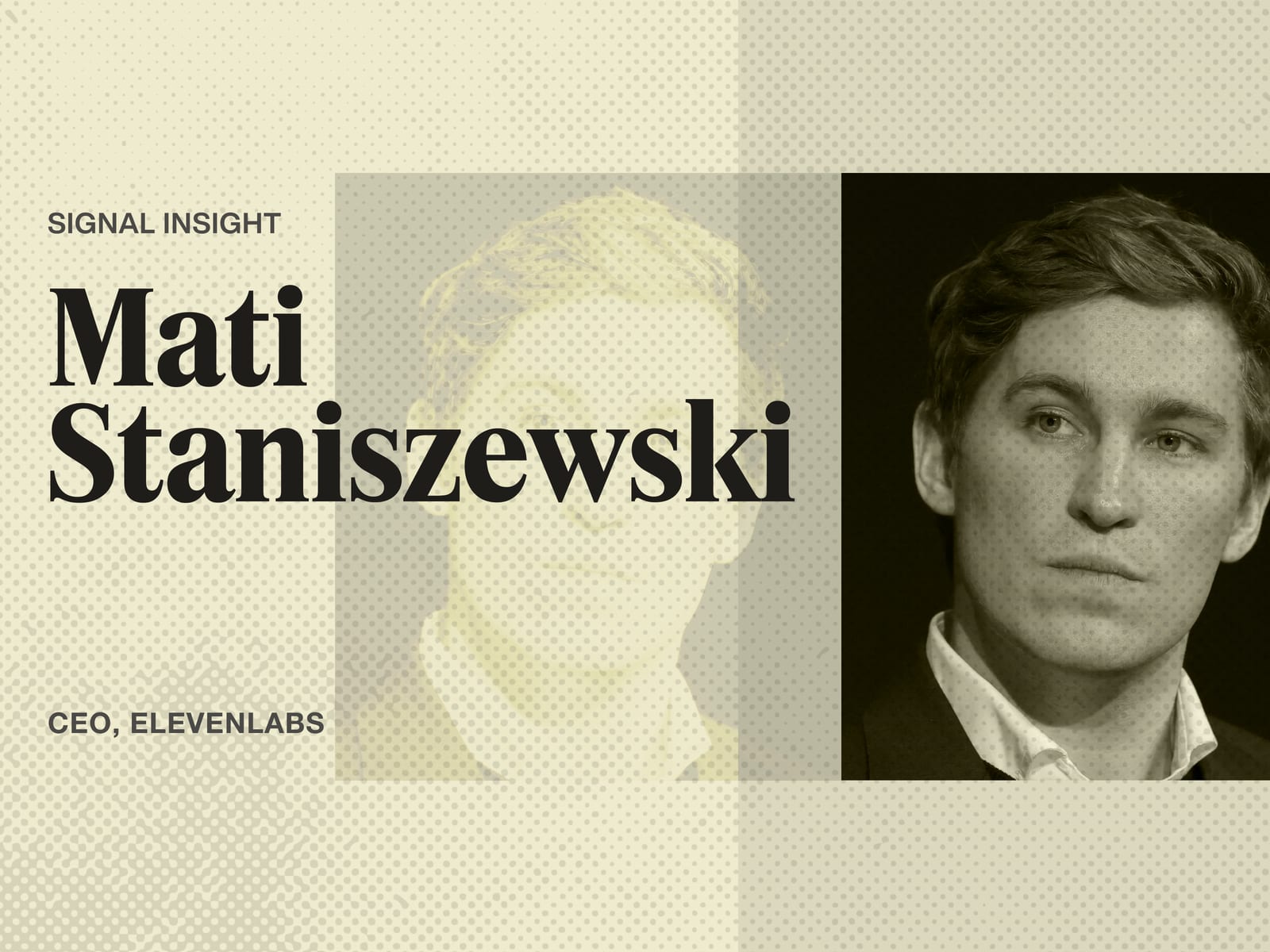
ElevenLabs completed a $300 million employee tender at a $22 billion valuation, and co-founder Mati Staniszews…
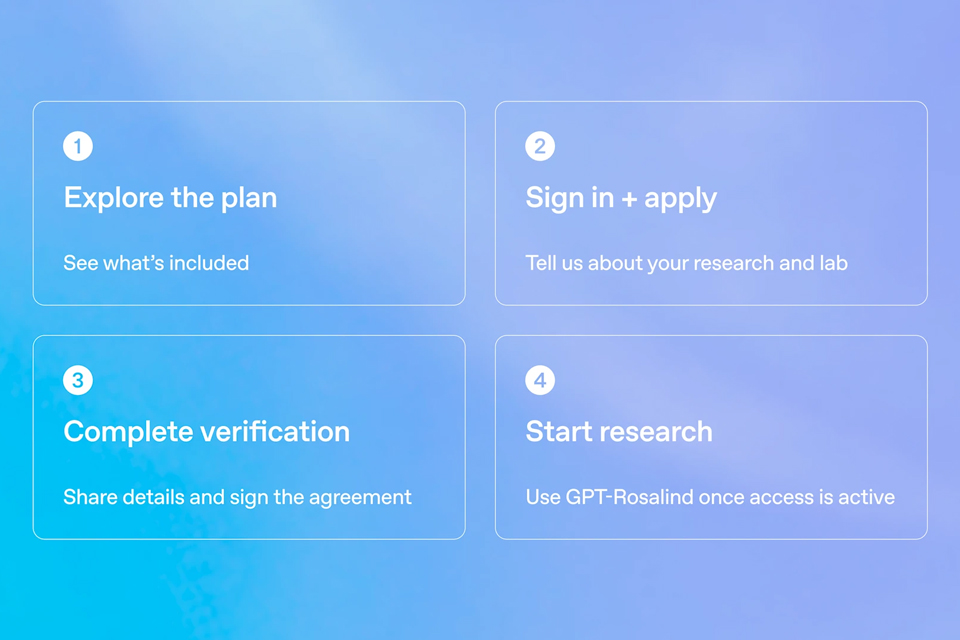
On October 15, OpenAI announced the Rosalind Academic Plan, giving approved US university labs free access to…
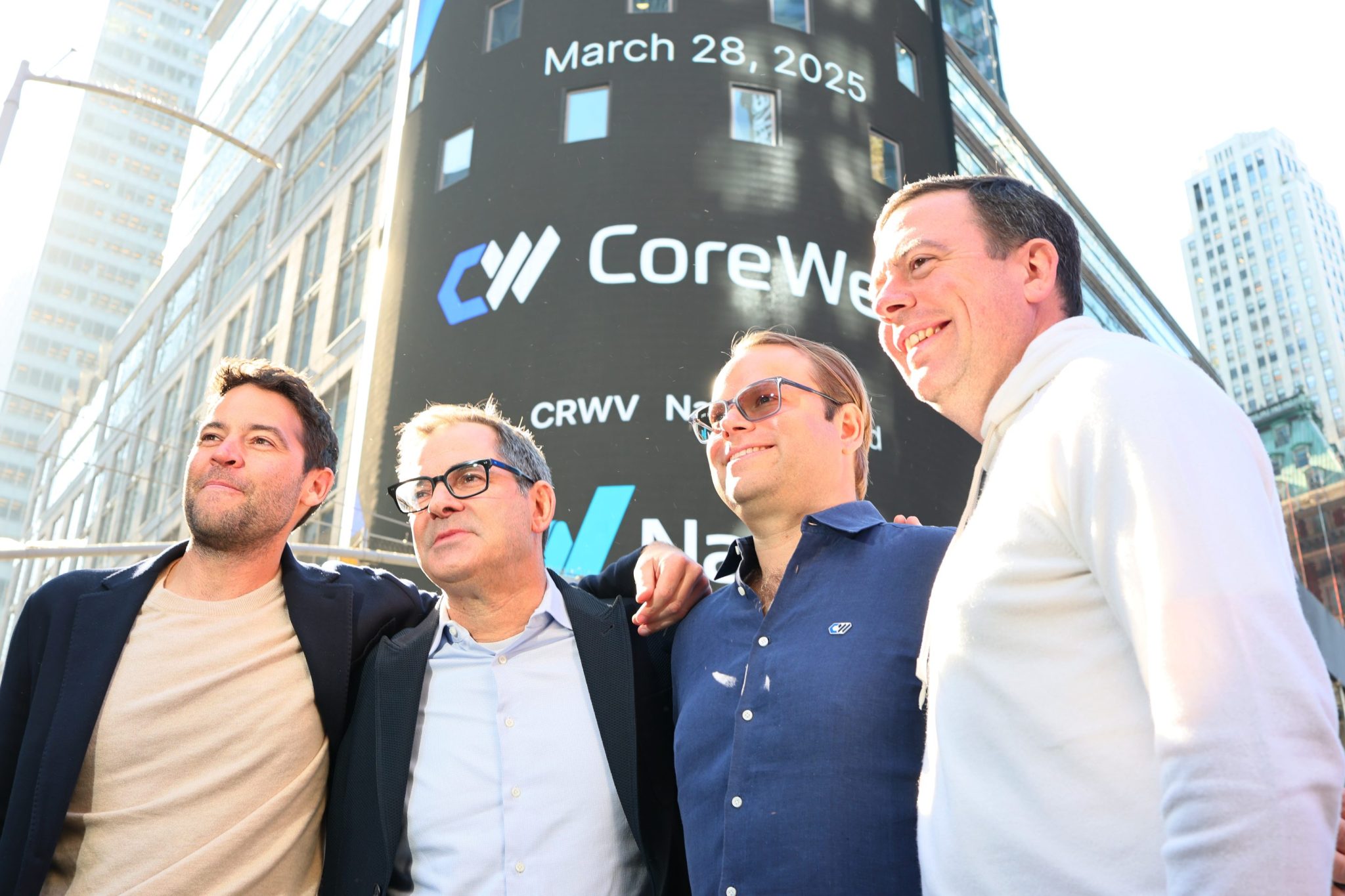
Neostellar Capital principal Evan Schlossman said CoreWeave's $103.7 billion in remaining performance obligati…
Supermicro Computer appointed Mark Long as chief financial officer, bringing an experienced technology finance…