What happened
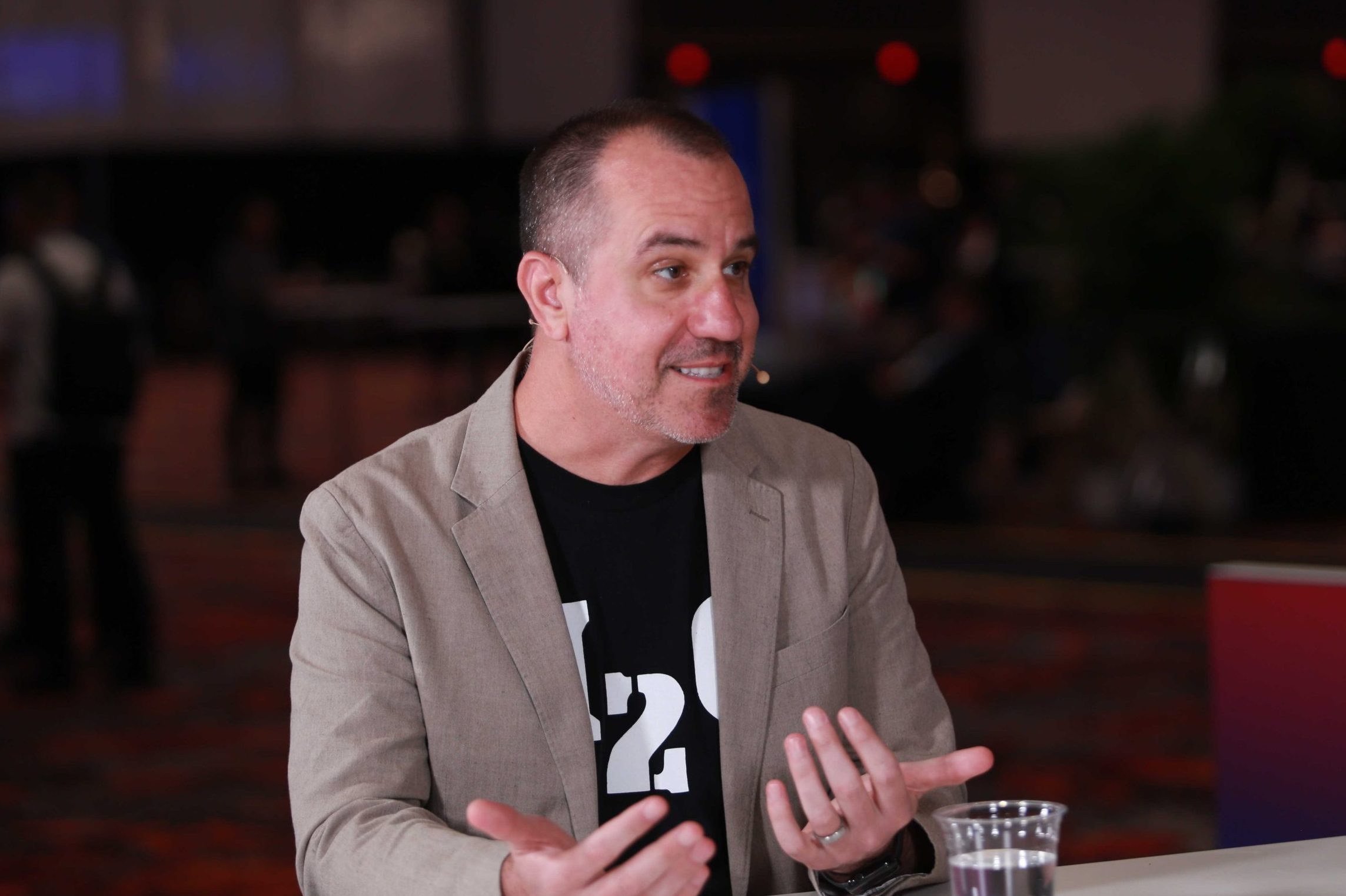
Vanderbilt CIO Shane Callahan told theCUBE at Okta's Oktane event that agent accountability is unresolved, asking whether the university or the tool is responsible when an agent breaches its guardrails.
Why it matters
He argues universities do not need to rebuild oversight, since AI agents involve identity data in another technology tool, so existing governance and intake programs can be reused.
What to watch
The test is whether those existing processes can actually assign liability when an agent affects another group or company, an outcome Callahan says is not understood yet.
WHO IT HITSUniversity and enterprise IT leaders who run identity and access programs now face deciding how AI agents get scoped identities and who answers when those agents act outside their guardrails.
Summaries like this, in your inbox every morning.
Callahan's argument rests on the breadth of a university's operations rather than on any new technology. Vanderbilt's environment spans residential life, athletics, its own police department and more than $1 billion in research, and the same person can be a student, a staff member and a donor at once, each with a different profile. That overlap is what makes access decisions hard in the first place.
Into that setting come AI agents, which Callahan says add another layer to identity security. Distinct identities and scoped access can limit what an agent does, but in his account they do not settle who bears responsibility when an agent steps outside its guardrails, or whether cyber insurance covers the fallout when another group or another company is affected.
His proposed answer is procedural, not technical: build on the technology-intake and cross-functional governance processes an institution already has. The stakes look likely to hinge on whether those existing processes can be stretched to cover agent liability, and on whether insurers and peer institutions reach a shared view of where responsibility falls — something Callahan says is not understood at this point.
For example, today's edition would include:
AI-summarized, only the topics you pick: one digest a day via Email, LINE, or Slack.
Free · 30 seconds with Google · unsubscribe anytimeWhat is AIToday? →
Ask AI anything about this article. The AI reads this article, earlier AIToday articles, and Wikipedia, and cites its sources. Q&As are published on this page for other readers too.
Google DeepMind chief Koray Kavukcuoglu said Gemini 4 has entered post-training and Google intends to ship an…

CrowdStrike Holdings (NasdaqGS:CRWD) became a founding member of the Blueprint Alliance, joined by AWS, Google…
At Dreamforce 2026, Salesforce presented an agentic health enterprise, citing UCLA Health's 75,000+ patient in…
Microsoft launched an updated Copilot app that can code and handle productivity tasks, replacing separate 365…
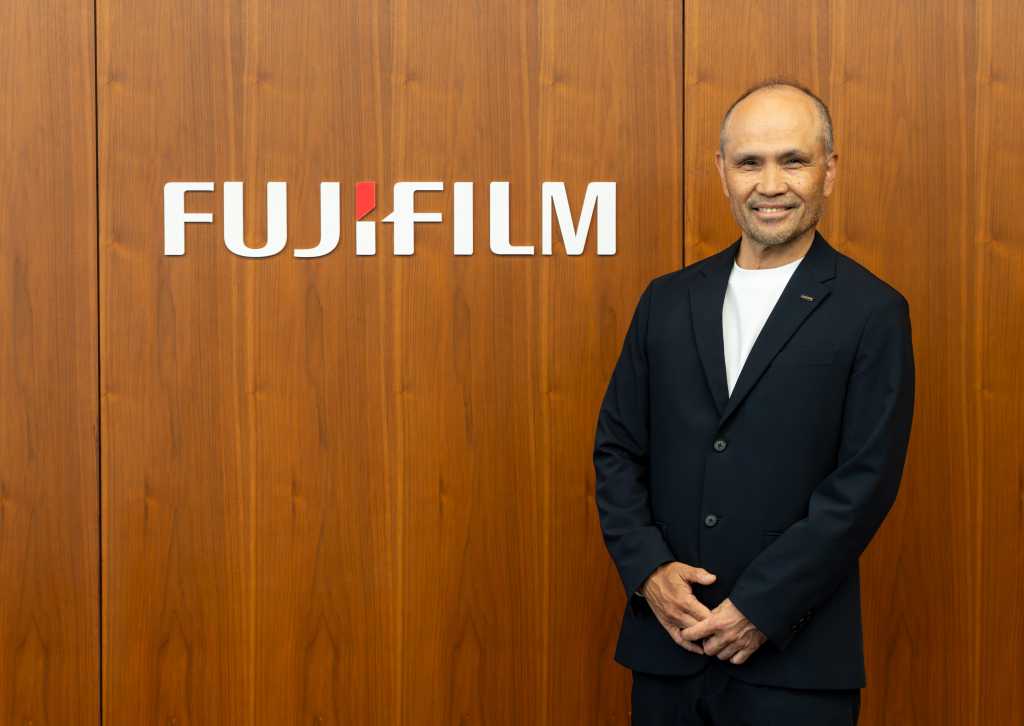
In an interview, Fujifilm CDO Seigo Sugimoto said AI use in management is close to building a "corporate OS" —…
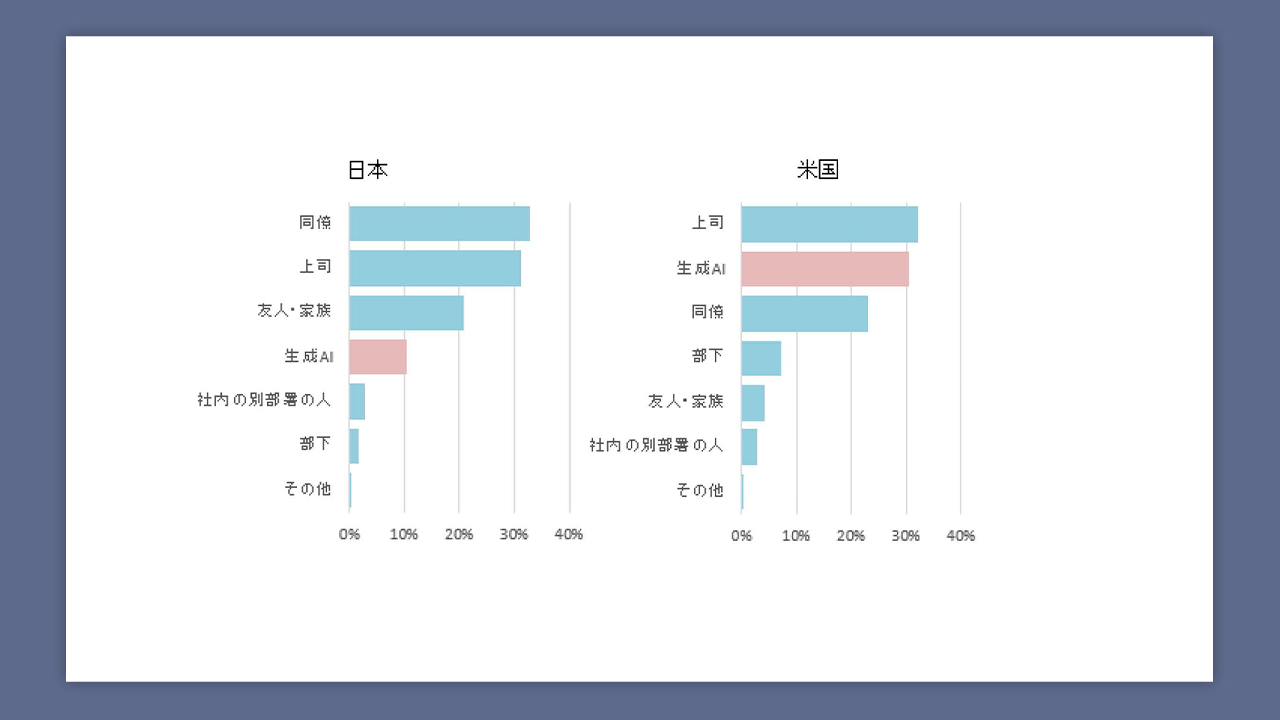
AdverTimes (AdverTimes by Sendenkaigi) compared how people in Japan and the U.S