Willison, a software engineer with 25 years of experience, has observed that the distinction he once drew between vibe coding (writing code without understanding or reviewing it) and agentic engineering (using AI tools while applying professional expertise) has started to collapse in his own practice.
As coding agents like Claude Code have become more reliable at producing correct code, Willison has stopped reviewing every line generated for production systems—a shift he initially viewed as irresponsible but now reconciles by treating agents as semi-trusted services, similar to how he trusts internal teams at larger organizations without auditing their code.
The convergence raises a question about accountability: while teams build professional reputations that deter poor work, AI agents cannot take accountability for their output, yet Willison finds them consistently producing correct code in his preferred style, creating what he calls a risk of 'normalization of deviance.'
Ask the AI about this article →
For example, today's edition would include:
AI-summarized, only the topics you pick — one digest a day via Email, Slack, or Discord.
Free · takes 30 seconds · unsubscribe anytimeWhat is AIToday? →
Ask AI anything about this article. Q&As are published on this page for other readers too.
Anthropic reset the 5-hour and 1-week usage limit windows for its AI service Claude on September 1, in connect…
Salesforce and Anthropic announced Claudeforce, starting with "Salesforce in Claude." This plugin lets users i…
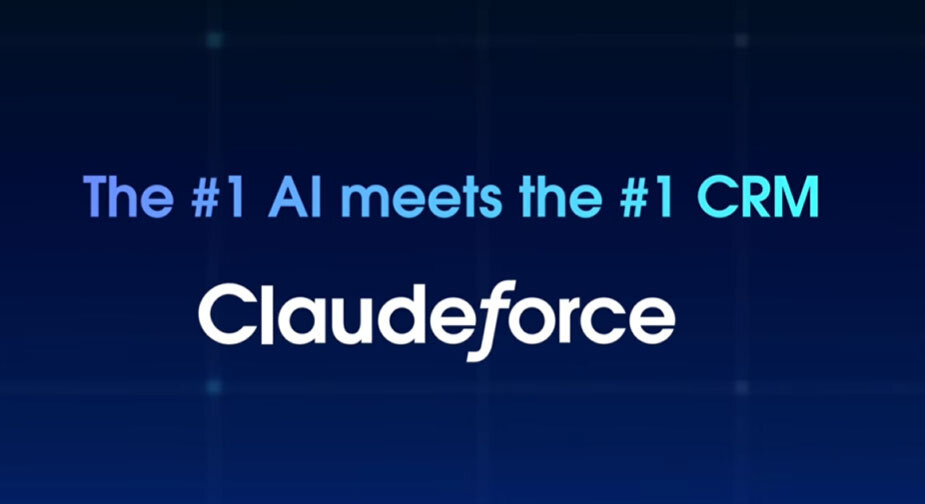
Anthropic announced Claude Fable 5.1 and Claude Mythos 5.1 on September 1
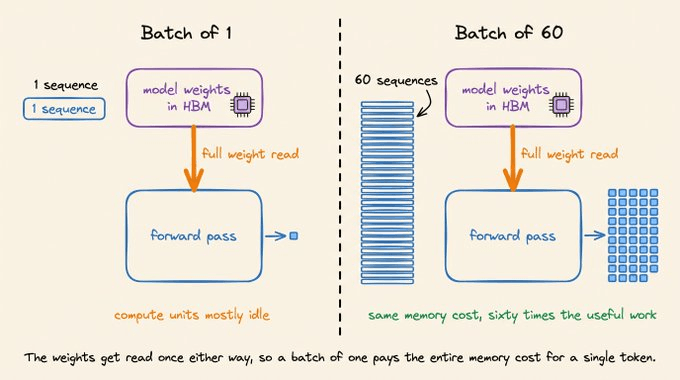
A technical explainer compares three LLM serving strategies—static, dynamic, and continuous batching
Anthropic's latest model, Claude Fable 5.1, is now available on Snowflake Cortex AI

The Allen Institute for AI released BenchMIRT, a method to audit AI benchmarks question-by-question