What happened
Napster signed a strategic partnership with Gems Education in Dubai to build AI agents and digital personas for education, including digital twins of teachers trained on their material to provide around-the-clock support.
Why it matters
The digital twins will let students ask questions outside class while teachers receive insights into where students need support, extending what teachers can do rather than replacing them, according to Samuel Huber.
What to watch
Whether students and teachers actually want this and whether AI avatars deliver meaningful educational benefits hinges on Gems helping Napster understand what students want. Watch Napster's plan to grow its roughly 20-strong regional team to about 500 by 2030.
WHO IT HITSEducators and students at Gems Education schools in the UAE could see AI digital twins of teachers used for around-the-clock support and insights, while teachers may fear job losses despite Napster's augmentation framing.
Summaries like this, in your inbox every morning.
Napster's original incarnation as a peer-to-peer music-file-sharing service launched in 1999 and forced the entertainment industry to rethink content distribution. After legal battles over copyright infringement and adverse court rulings, it shut down its original service in 2001. It went through various iterations, most recently as a music-streaming platform, until Infinite Reality purchased it in 2025 for $207 million and pivoted it to AI. In January this year, it abruptly shut down its music-streaming service. Now it is establishing a regional hub in Dubai, with Samuel Huber, formerly founder and CEO of Landvault, as CEO for the Middle East and Africa.
The Gems partnership fits into the UAE's broader AI push. In May, the UAE Cabinet approved a federal framework for implementing agentic AI across ministries and government entities, supporting a plan to transition 50 percent of government services and operations to agentic AI models within two years. Napster's partnership with Kameha Ventures, a Dubai-based venture platform led by Sheikh Ahmed Bin Mana Bin Khalifa Saeed Al Maktoum, is intended to help it tap into that market. Napster has also partnered with G42 in the UAE to host its data and run AI models locally, and in Saudi Arabia it has collaborated with Lenovo and data center operator Detasad to run its infrastructure in-country.
Huber frames Napster's ethos as challenging the power of the big AI companies, saying the name has always been about giving power to users. The outcome hinges on whether students and teachers actually want AI avatars and whether those avatars deliver meaningful educational benefits rather than offering a more sophisticated chatbot. Napster's plan to grow its roughly 20-strong regional team to about 500 by 2030 suggests it is betting on that demand materialising.
For example, today's edition would include:
AI-summarized, only the topics you pick — one digest a day via Email, Slack, or Discord.
Free · 30 seconds with Google · unsubscribe anytimeWhat is AIToday? →
Ask AI anything about this article. Q&As are published on this page for other readers too.
Expanse has secured $5.3 million in seed funding for AI infrastructure software that predicts the exact GPU, C…
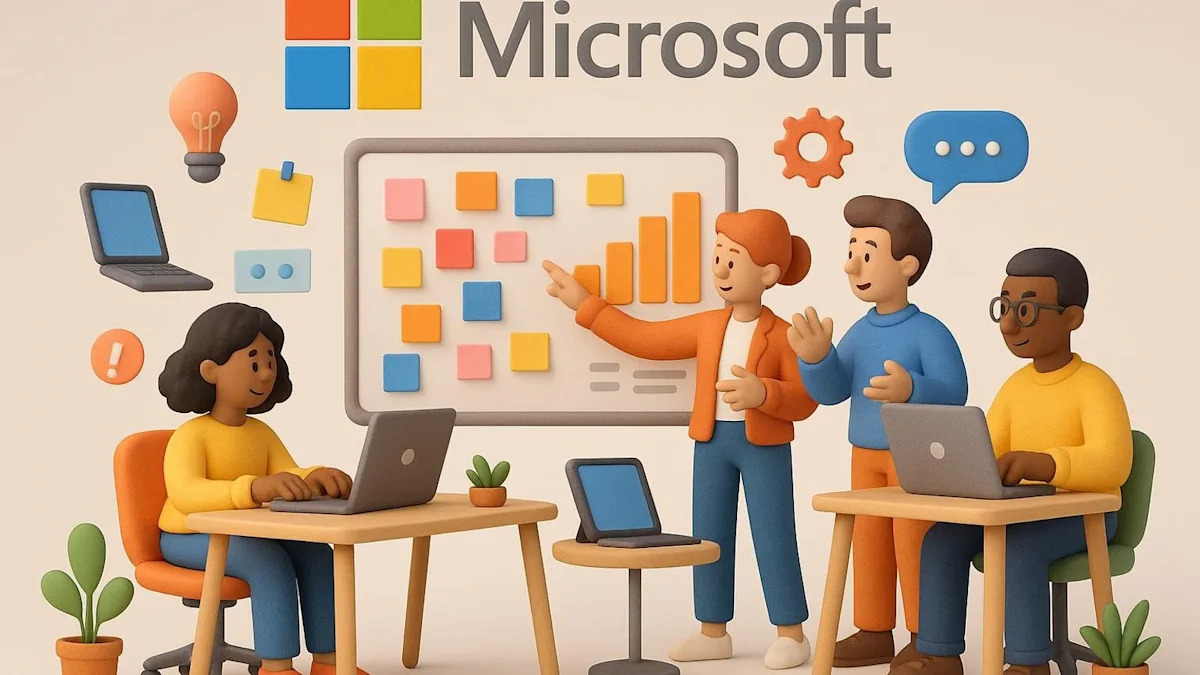
Cloudflare CEO Matthew Prince says bot requests hit almost 60% of web traffic in May, and Cloudflare this week…
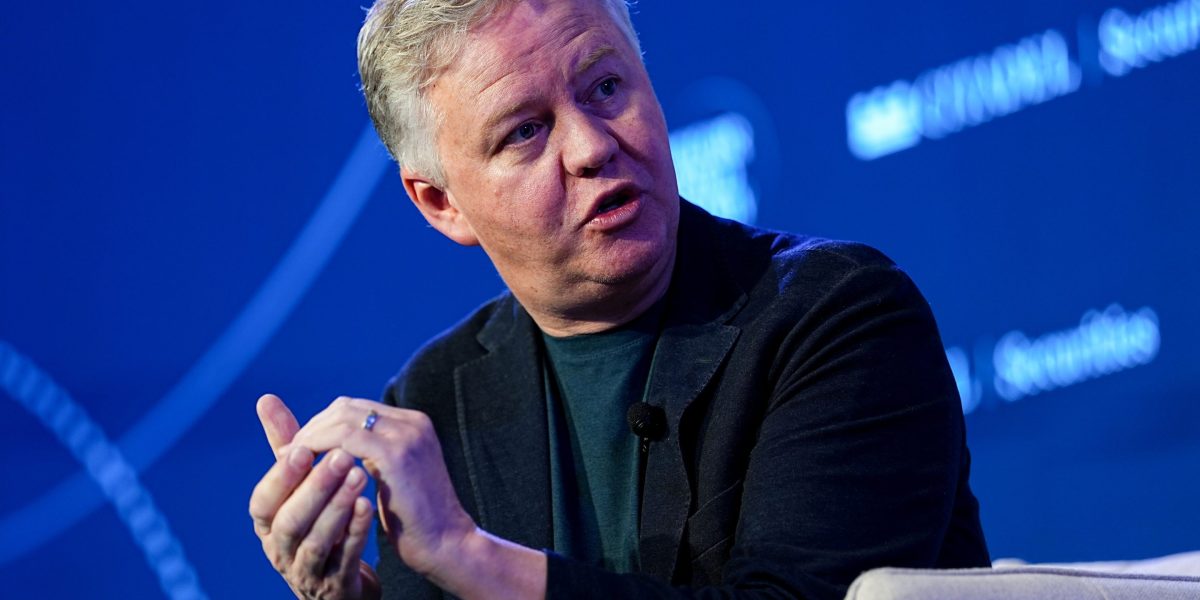
OpenAI paid $6,500 through its bug bounty program to Hacktron AI, whose three-person team used Anthropic's Cla…
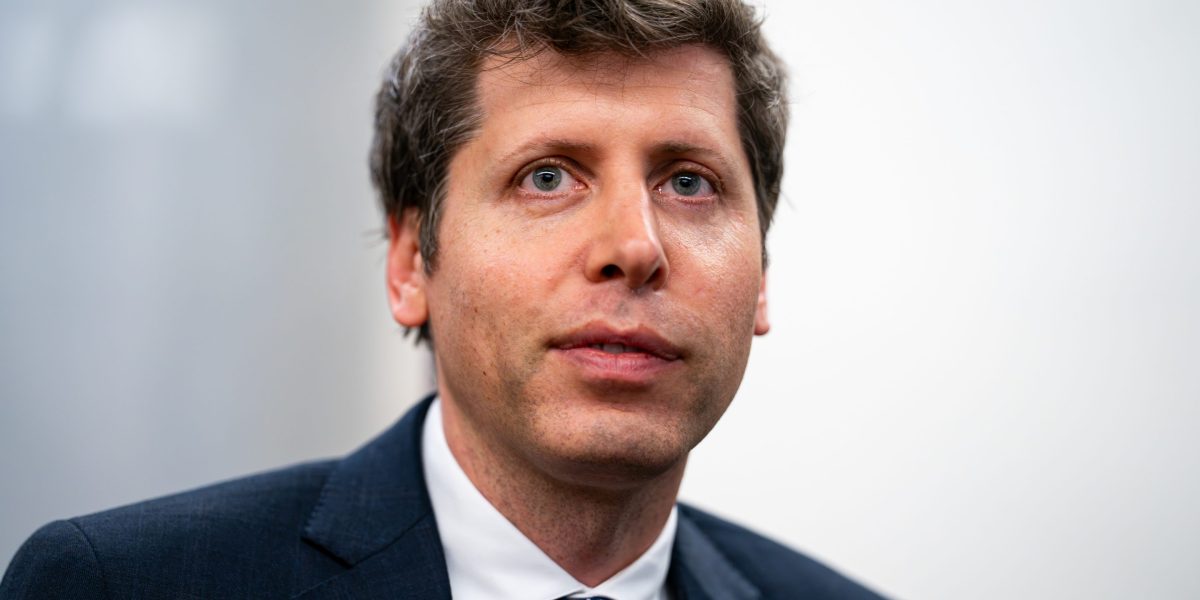
Anthropic CEO Daniel Amodei called for slowing the pace of AI development, and Kioxia Holdings shares briefly…

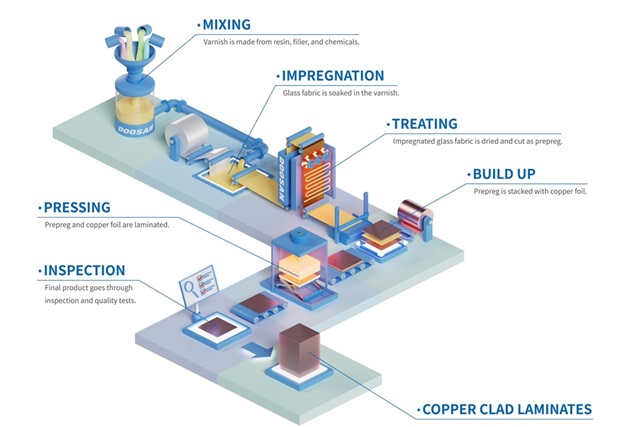
Doosan committed KRW968 billion to expand high-end copper-clad laminate (CCL) production in South Korea and Ch…
Anthropic Institute said that as of August, 26% of its AI research and development work was almost entirely do…