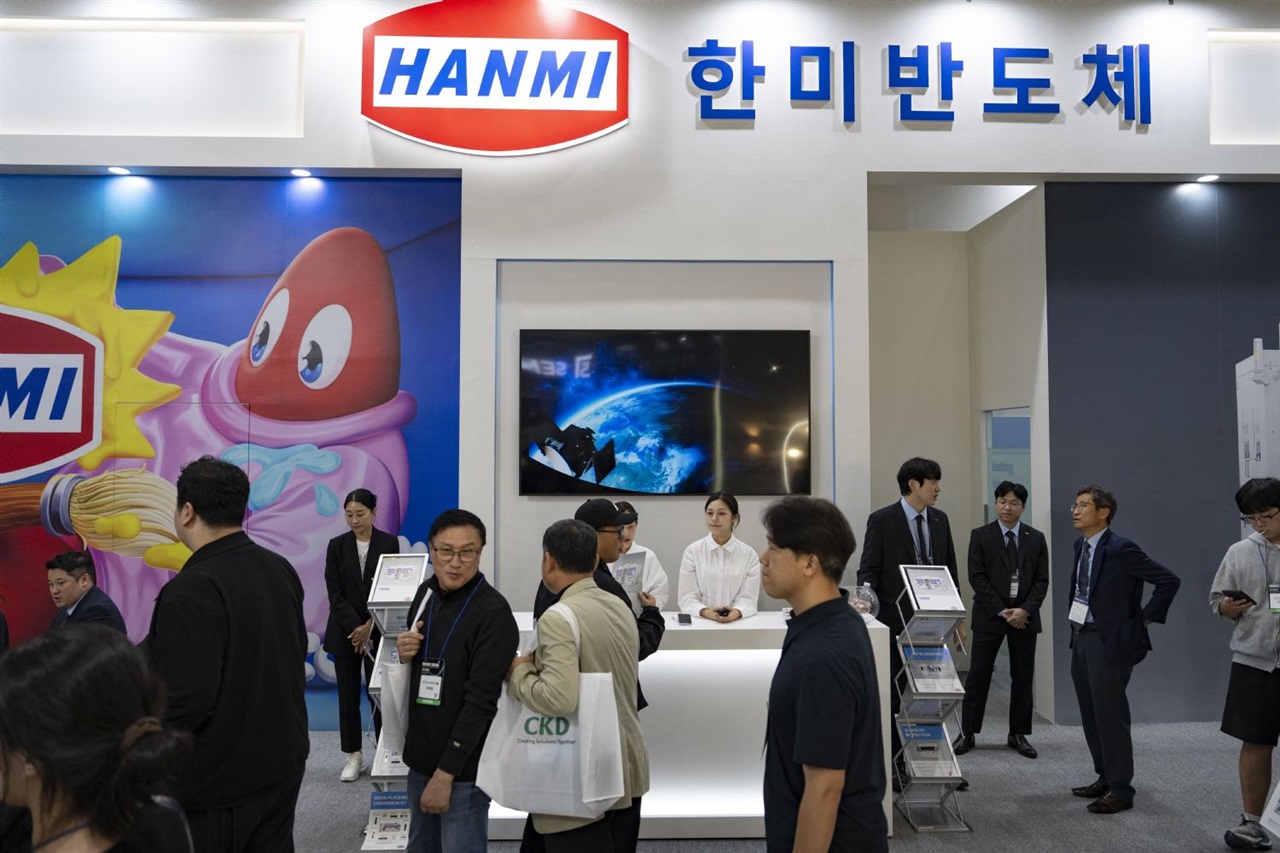
South Korea's Hanmi Semiconductor is accelerating output of bonding equipment essential for building high-bandwidth memory (HBM) and establishing a US manufacturing presence, citing a warning that demand for this critical tool could outstrip supply beginning in 2027. The shortage would create a bottleneck for global memory and foundry makers relying on HBM for advanced AI chips.
Summaries like this, in your inbox every morning.
Sign up free →What happened
South Korea's Hanmi Semiconductor is expanding production of bonding equipment used to manufacture high-bandwidth memory (HBM), and is also establishing a US presence. The company warns that demand could outstrip supply starting in 2027.
Why it matters
HBM is critical infrastructure for AI chips and advanced memory production at major global makers. A shortage of the bonding tools needed to assemble HBM would create a bottleneck that affects memory and semiconductor foundries worldwide, potentially constraining AI chip availability.
What to watch
The 2027 supply-demand inflection point—whether Hanmi's expansion and US footprint will be sufficient to prevent the predicted shortfall, and how competitors respond to the projected equipment gap.
South Korea's Hanmi Semiconductor is taking concrete steps to prevent a critical supply crunch in the global semiconductor industry. The company is accelerating output of bonding equipment—the specialized machinery used to assemble high-bandwidth memory (HBM)—while simultaneously establishing a US manufacturing presence. These moves are driven by Hanmi's assessment that demand for bonding equipment will exceed supply starting in 2027, creating a bottleneck that would ripple through the supply chains of global memory makers and foundry operators who depend on HBM for AI-driven chip production. The company's dual strategy of domestic capacity expansion and geographic diversification into the US market reflects both urgency and an effort to lock in customer relationships ahead of the predicted shortage.
Hanmi Semiconductor's move to expand bonding equipment output and establish a US footprint reflects an early warning about infrastructure constraints in the AI chip supply chain. The company has identified a specific inflection point—2027—when the gap between HBM demand and bonding tool supply could become acute. This is not a speculative concern; it flows from the visible surge in HBM orders from memory makers and foundries racing to support AI applications. By moving ahead of the shortage, Hanmi is positioning itself to capture market share while signaling to customers (and competitors) that the bottleneck is real and near.
AI-summarized, only the topics you pick — one digest a day via Email, Slack, or Discord.
Free · takes 30 seconds · unsubscribe anytime
No comments yet. Be the first to share your thoughts!
Log in to join the discussion



Get curated AI news from 200+ sources delivered daily to your inbox. Free to use.
Get Started FreeFree · takes 30 seconds · unsubscribe anytime
1 minute a day. The AI essentials.
200+ sources · Email / LINE / Slack
