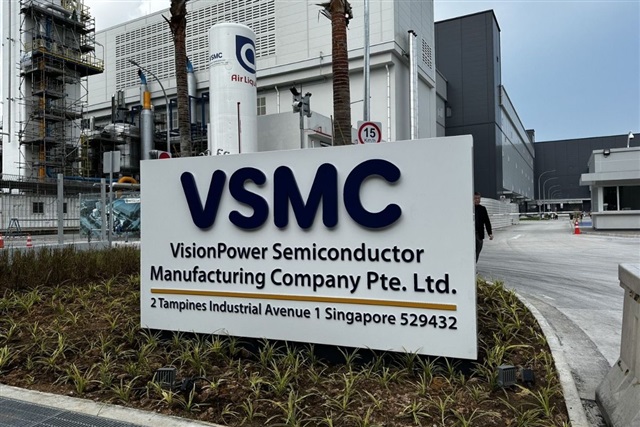
TSMC has raised its 2026 capital expenditure forecast to US$60–64 billion, with much of it headed to the US, signaling sustained investment in manufacturing as AI demand rises. Singapore's efforts to attract a TSMC fab did not succeed, meaning the company is not committing to a facility there.
Summaries like this, in your inbox every morning.
Sign up free →What happened
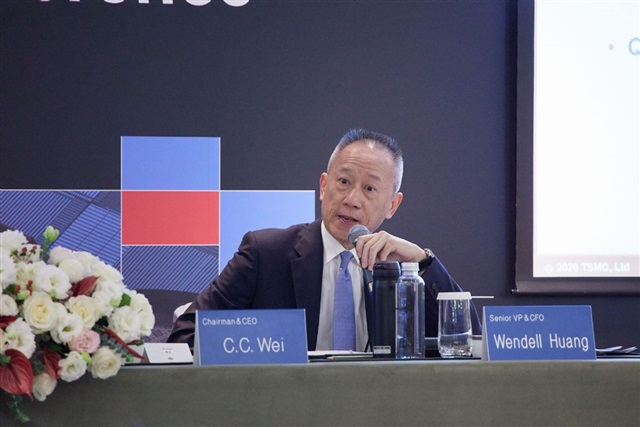
TSMC announced during its second-quarter earnings conference that it is raising its 2026 capital expenditure forecast to US$60–64 billion, with a substantial share earmarked for the US.
Why it matters
The forecast signals TSMC's continued heavy investment in manufacturing capacity as demand from AI grows. The company's capex decisions shape the global semiconductor supply chain and influence where advanced chip production occurs.
What to watch
Although Singapore attempted to attract a TSMC fab, the chipmaker ultimately chose not to commit to that location. Where TSMC deploys the additional US$60–64 billion will be critical for regional semiconductor self-sufficiency and supply-chain resilience.
TSMC announced during its second-quarter earnings conference that it is raising its 2026 capital expenditure forecast to US$60–64 billion, a substantial increase from prior guidance. A significant portion of this spending is earmarked for the United States, reflecting TSMC's commitment to expanding manufacturing capacity in North America amid growing demand for AI chips and policy support from the US government.
Singapore had actively sought to attract a TSMC fabrication plant to strengthen its position as a regional semiconductor hub. However, the company ultimately chose not to commit to a fab in Singapore. This decision indicates that TSMC's capital allocation strategy is concentrating investment in other regions, particularly the US, rather than dispersing capacity across multiple new geographies. The choice reflects TSMC's assessment of market demand, geopolitical factors, and operational priorities as it manages unprecedented growth in semiconductor demand.
TSMC's elevated 2026 capex guidance reflects the company's response to surging demand for advanced semiconductors driven by AI applications. By earmarking a substantial portion of the US$60–64 billion for the United States, TSMC is signaling alignment with US government priorities for domestic semiconductor manufacturing and supply-chain security. The decision not to commit to a Singapore fab, despite the city-state's active recruitment efforts, underscores TSMC's focus on its strategic priorities—likely the US capacity and its existing operations in Taiwan and other key regions. This capex trajectory will shape global semiconductor availability and influence geopolitical competition over advanced chip production.
AI-summarized, only the topics you pick — one digest a day via Email, Slack, or Discord.
Free · takes 30 seconds · unsubscribe anytime
No comments yet. Be the first to share your thoughts!
Log in to join the discussion

Get curated AI news from 200+ sources delivered daily to your inbox. Free to use.
Get Started FreeFree · takes 30 seconds · unsubscribe anytime
1 minute a day. The AI essentials.
200+ sources · Email / LINE / Slack
