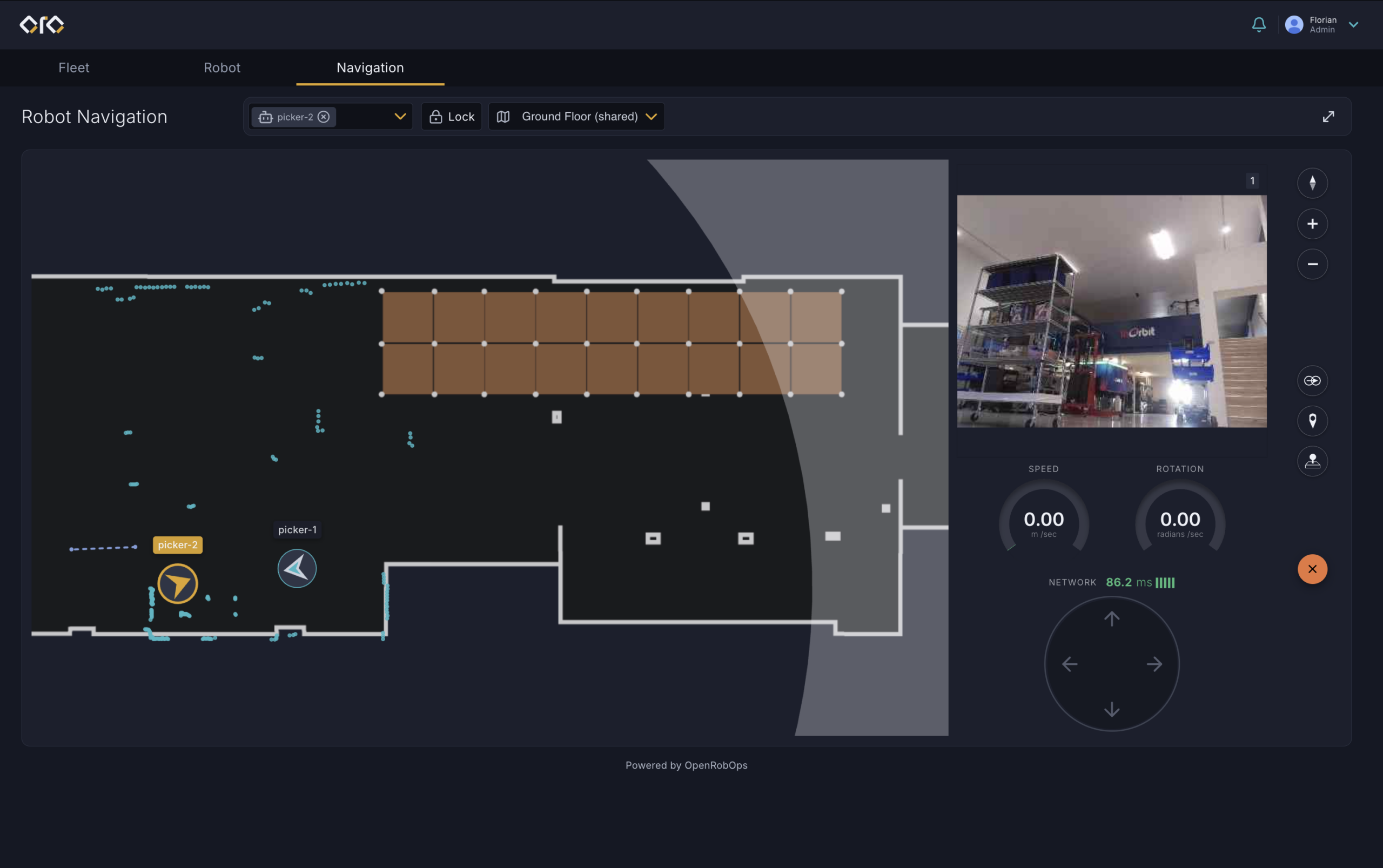
What happened
InOrbit.AI released OpenRobOps, an Apache 2.0 open-source robot fleet operations foundation it calls the industry's first ISO 21423 reference implementation.
Why it matters
OEMs previously spent years building custom back ends and user interfaces; InOrbit says OpenRobOps lets teams bypass years of back-end development.
What to watch
The test is whether OEMs adopt ORO instead of building their own fleet managers, since InOrbit's paid Space Intelligence remains separate.
WHO IT HITSRobotics developers at OEMs and startups building autonomous mobile robot fleets can adopt a ready-made operations layer instead of writing their own back ends. Academic researchers benefit too, since the Apache 2.0 license allows free adaptation and deployment.
Ask the AI about this article →
Summaries like this, in your inbox every morning.
OpenRobOps traces its roots to a February announcement by InOrbit, which has now followed through with a full release. The company frames the timing around a familiar problem: as fleets of autonomous mobile robots grow, customers expect OEMs to ship full-featured fleet managers, but many OEMs instead spend years maintaining custom back ends and interfaces rather than refining their robots. InOrbit calls this the "build trap" and positions OpenRobOps as an escape.
The release also carries a standards angle. ISO 21423 is still upcoming, yet OpenRobOps already includes a reference implementation, and InOrbit's CEO sits on the ISO working group as an ANSI representative. InOrbit points to a public demonstration of ISO 21423 at Automate 2026, where 10 companies showed multi-vendor orchestration based on the company's paid Space Intelligence product, as evidence the approach works in practice.
The stakes likely hinge on adoption. InOrbit compares OpenRobOps to ROS, which saved roboticists from rewriting low-level device drivers; whether OEMs treat ORO the same way, rather than continuing to build their own back ends, is the open question. For end users, the benefit may depend on how broadly ISO 21423 compliance spreads across vendors.
For example, today's edition would include:
AI-summarized, only the topics you pick — one digest a day via Email, Slack, or Discord.
Free · 30 seconds with Google · unsubscribe anytimeWhat is AIToday? →
Ask AI anything about this article. Q&As are published on this page for other readers too.
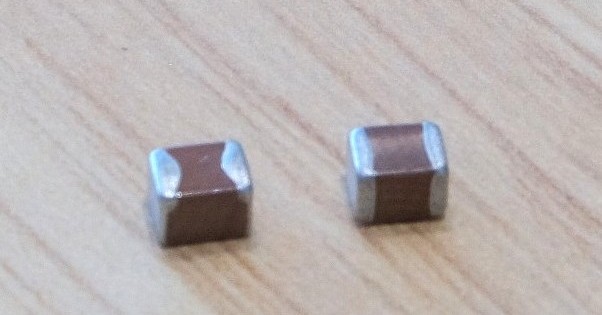
TDK said it has started mass production of multilayer ceramic capacitors rated at 100V and 10μF, targeting AI…
TDK has introduced a 10μF version of its MLCC that uses the company's own resin electrodes, with the design ai…
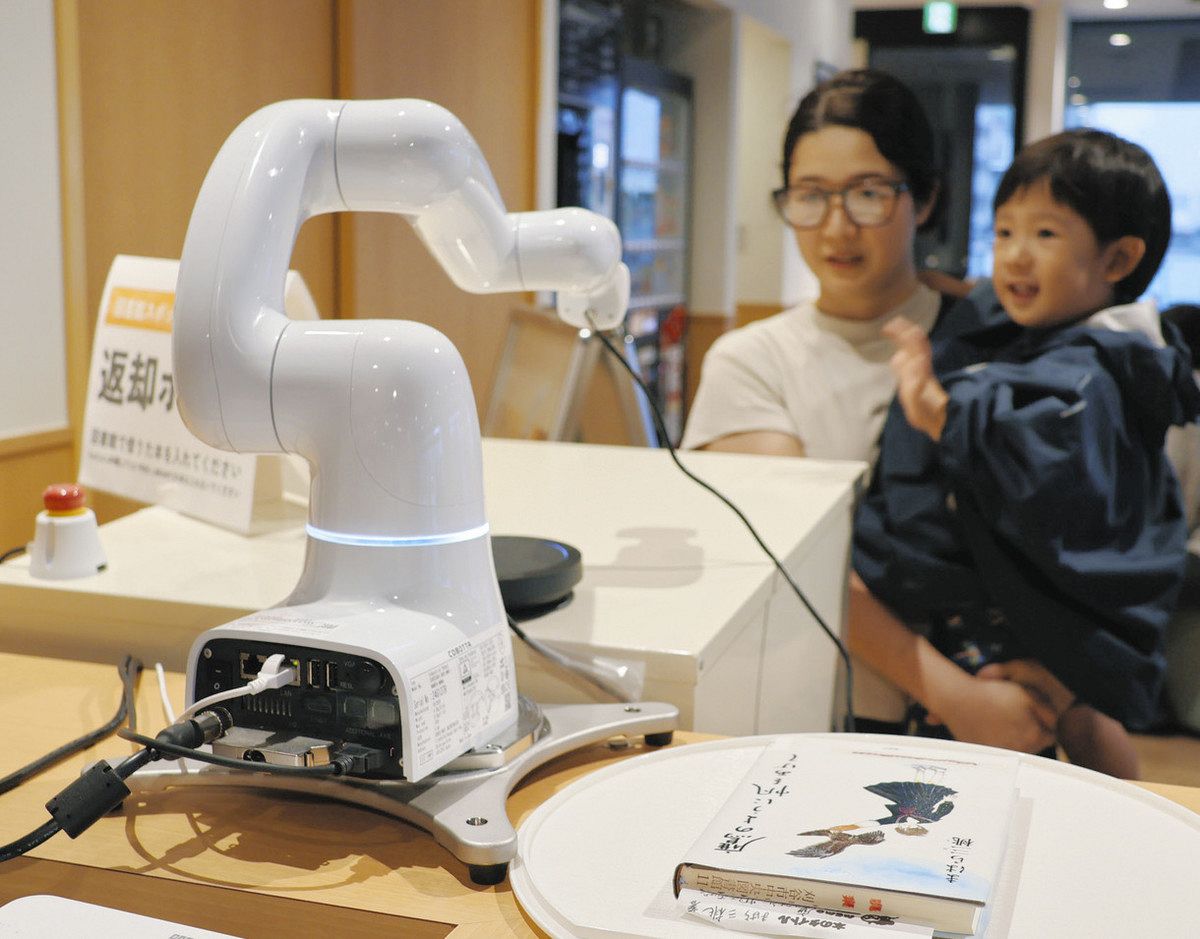
Two AI-equipped robots are appearing on a limited-time basis at Karikoko, a community exchange facility near K…
PepsiCo used Siemens' Digital Twin Composer, built on Nvidia Omniverse, to model a U.S
Salesforce announced Koa, its first reasoning model, at its Dreamforce conference

The developer released SHADOW-50M, a 44M parameter model trained from scratch on 45B tokens