What happened
Neil P. Osnato, founder of Persistence Analytics Group, published an argument that AI infrastructure commitments are outpacing evidence tying contracted capacity to durable economic value.
Why it matters
This is a hedged caution, not a claim that the investments are unsound.
Summaries like this, every morning.
Osnato grounds his argument in his own background: 13 years on the floor of the New York Stock Exchange, where he says a trade could be executed and documented while the assumptions behind it proved less durable than expected. He applies that lesson to AI infrastructure by pointing out that the industry's commitments run on mismatched clocks — compute contracts lasting years, debt maturing decades out, servers on short technology cycles, and power infrastructure outliving several generations of the equipment it supports — while enterprise customers are still learning what they will use and pay.
The piece is explicit that none of this proves the investments are unsound. Instead, Osnato separates claims that are often bundled: contract existence versus economic durability, announced capacity versus energized capacity, and a guarantee versus the continued usefulness of the asset behind it. He warns that apparently distinct exposures may rest on a small set of interconnected customers, infrastructure providers, funding sources or technology assumptions, so diversifying contracts may not diversify the dependency underneath.
His proposed remedy is a revalidation gate rather than a forecast about AI's success — a documented chain from the representation relied upon through its embedded assumption, supporting evidence, dependencies, the party bearing downside and the material change that would force reassessment. He notes that engineers, lawyers and finance teams each own different pieces, and that independent decision assurance asks whether those records together establish the proposition a capital allocator is relying on.
Pick your industry and the AI tools you use, and get news related to your work every day.
Free · 30 seconds with Google · unsubscribe anytimeWhat is AIToday? →
Ask AI anything about this article. The AI reads this article, earlier AIToday articles, and Wikipedia, and cites its sources. Q&As are published on this page for other readers too.
Atomicwork launched an AI Coworker Marketplace with certified AI coworkers for cloud infrastructure, access ma…

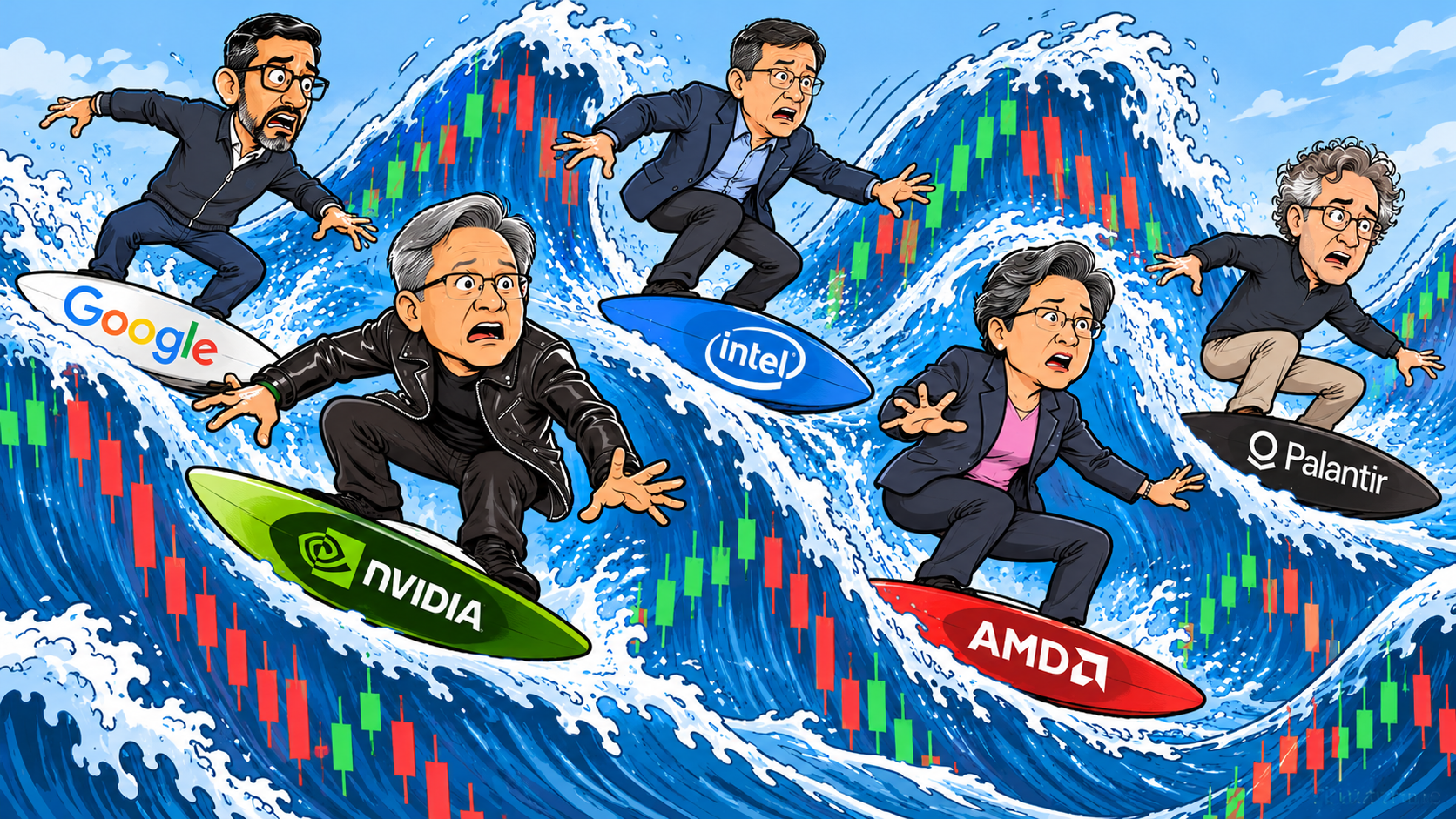
Tech stocks rose the day after the midterms, then plunged Thursday for a collective $2.5 trillion market-cap l…
Intercontinental Exchange CEO Jeff Sprecher told Semafor he is "bullish but cautious" on trading GPU compute…
Taiwan's Taiex fell as much as 3,737.67 points intraday, its largest-ever point drop, closing 4.51% lower at 3…

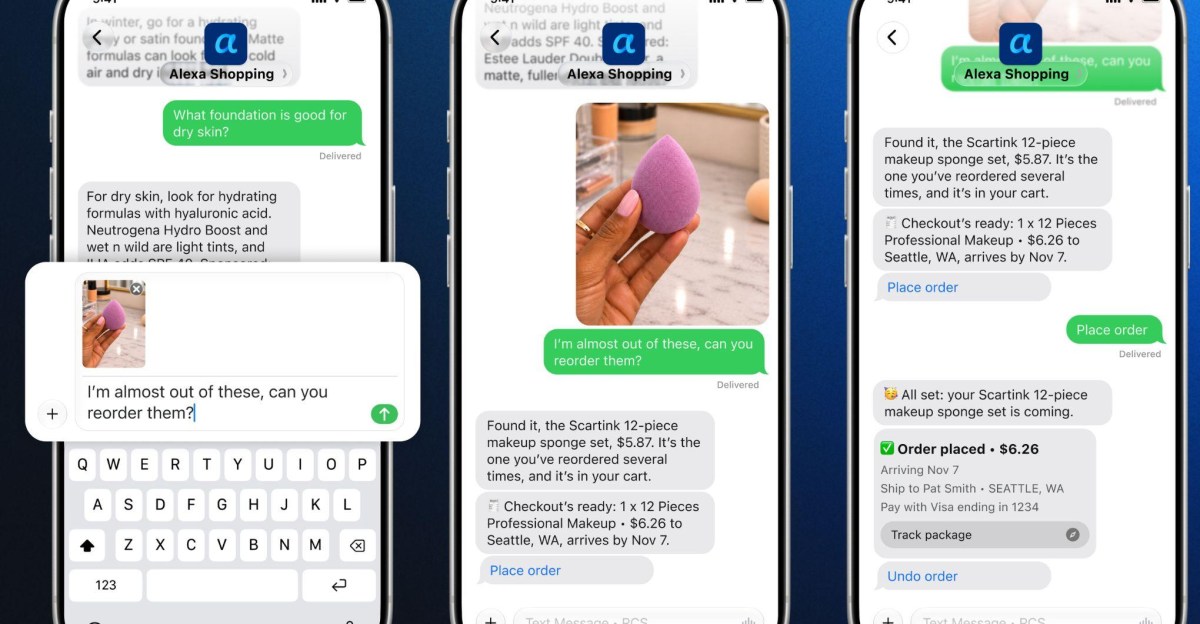
Amazon is adding a texting feature to Alexa for Shopping, letting US customers describe or photograph items an…
Carnot AI Inc, which develops and provides the enterprise AI platform Jinba, was accepted into NVIDIA Inceptio…