What happened
Intercontinental Exchange CEO Jeff Sprecher told Semafor he is "bullish but cautious" on trading GPU compute, saying "We're kind of [working] backwards" since secret hyperscaler contracts mean compute lacks an established spot market.
Why it matters
Futures prices are normally built on a spot market, and compute doesn't really have one — the public pricing data comes mainly from the spotty offerings of neoclouds, so exchange operators are trying to build the market in reverse order.
Summaries like this, every morning.
The push to trade AI compute is running into an awkward sequencing problem. Futures contracts are typically priced off an established spot market, but compute doesn't really have one — the largest buyers, AI hyperscalers, pay under secret contracts, and most public data comes from the spotty offerings of neoclouds. That is why Jeff Sprecher, speaking to Semafor at the futures industry's annual confab in Chicago, described the effort as working backwards.
Two forces could change that. Sprecher suggested lenders increasingly nervous about financing data centers might start demanding that companies lock in their GPU prices for as long as they are asking to borrow, with the capital markets potentially requiring it given how much money is being lent. He also floated the idea, with a smile, of Zuckerberg arriving to do "a big trade."
The other variable sits outside the market itself. Pressure from the Trump administration forced Kalshi to scrap one of its GPU price trackers in September, which Sprecher chalked up to concerns that transparent pricing for AI could disadvantage the US in its competition with China. He said he suspects the US will land on the side of free markets, which he said has always advantaged it vis-à-vis China — but added that everyone is waiting with bated breath.
Pick your industry and the AI tools you use, and get news related to your work every day.
Free · 30 seconds with Google · unsubscribe anytimeWhat is AIToday? →
Ask AI anything about this article. The AI reads this article, earlier AIToday articles, and Wikipedia, and cites its sources. Q&As are published on this page for other readers too.
Neil P. Osnato, founder of Persistence Analytics Group, published an argument that AI infrastructure commitmen…

Atomicwork launched an AI Coworker Marketplace with certified AI coworkers for cloud infrastructure, access ma…

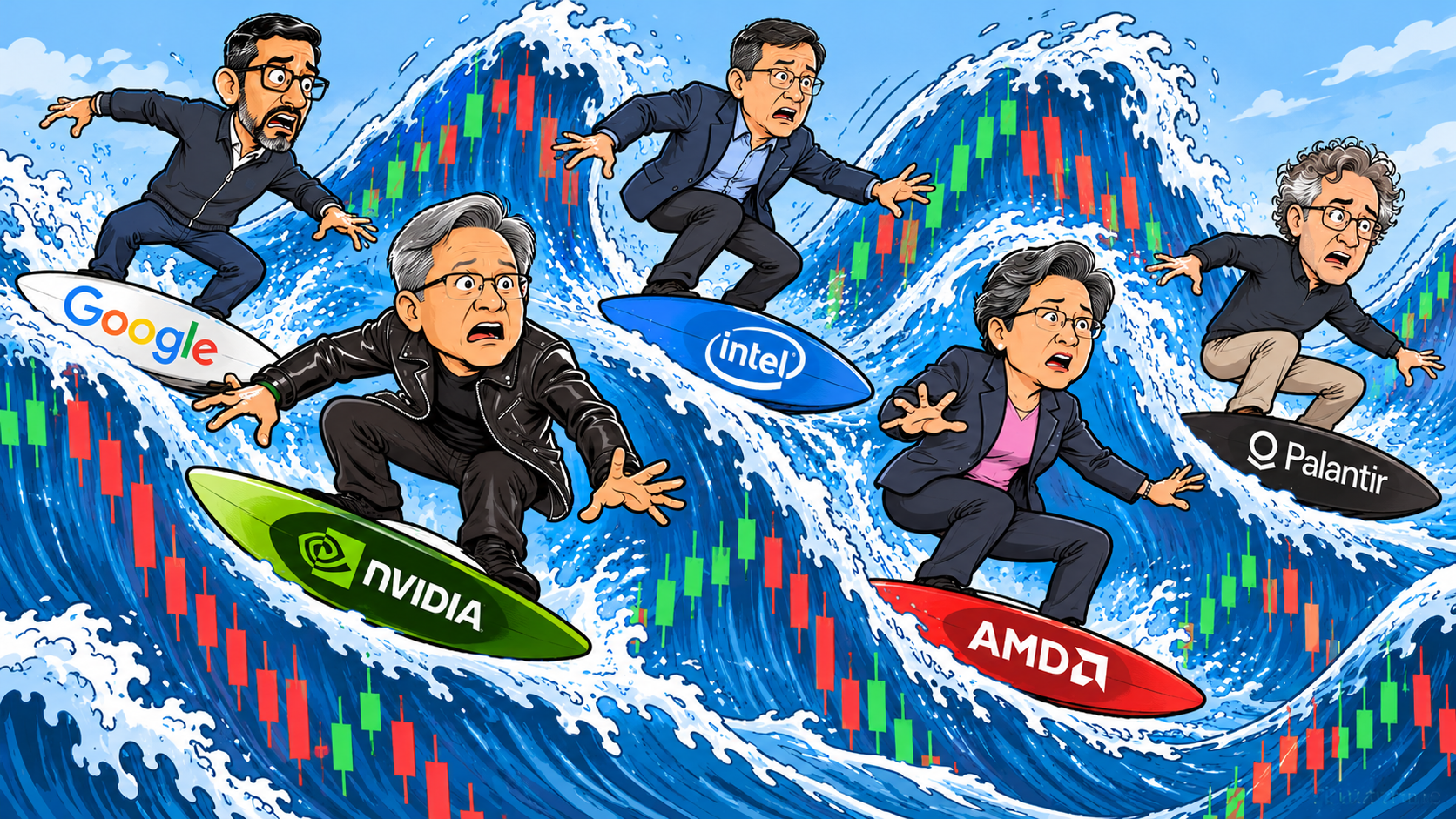
Tech stocks rose the day after the midterms, then plunged Thursday for a collective $2.5 trillion market-cap l…
Taiwan's Taiex fell as much as 3,737.67 points intraday, its largest-ever point drop, closing 4.51% lower at 3…

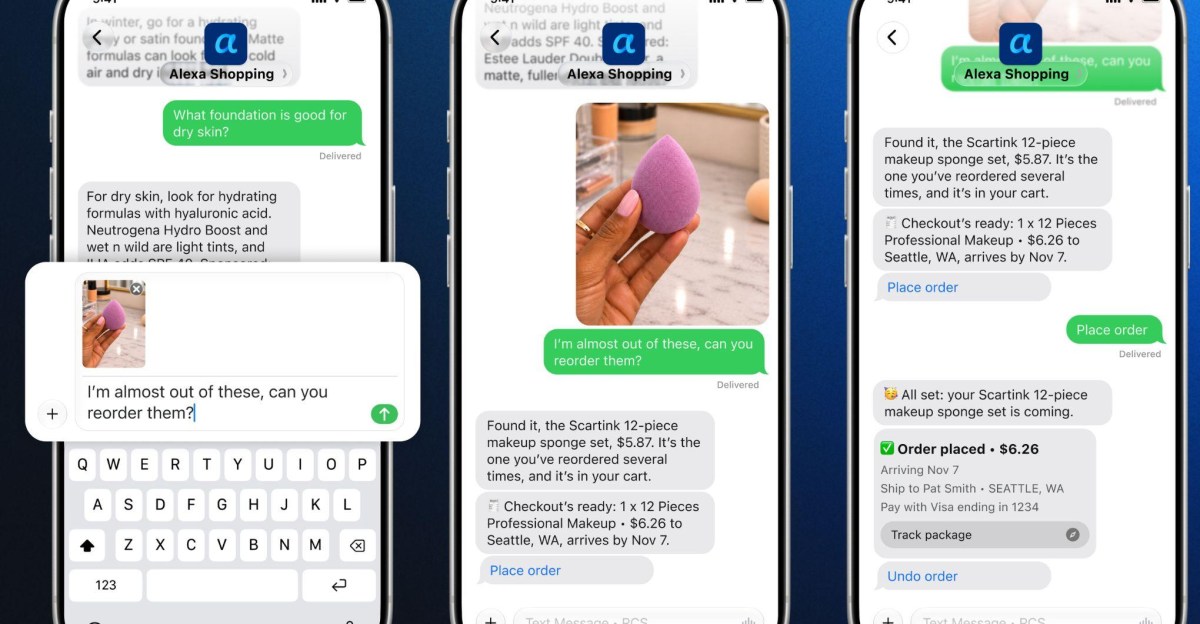
Amazon is adding a texting feature to Alexa for Shopping, letting US customers describe or photograph items an…
Carnot AI Inc, which develops and provides the enterprise AI platform Jinba, was accepted into NVIDIA Inceptio…