What happened
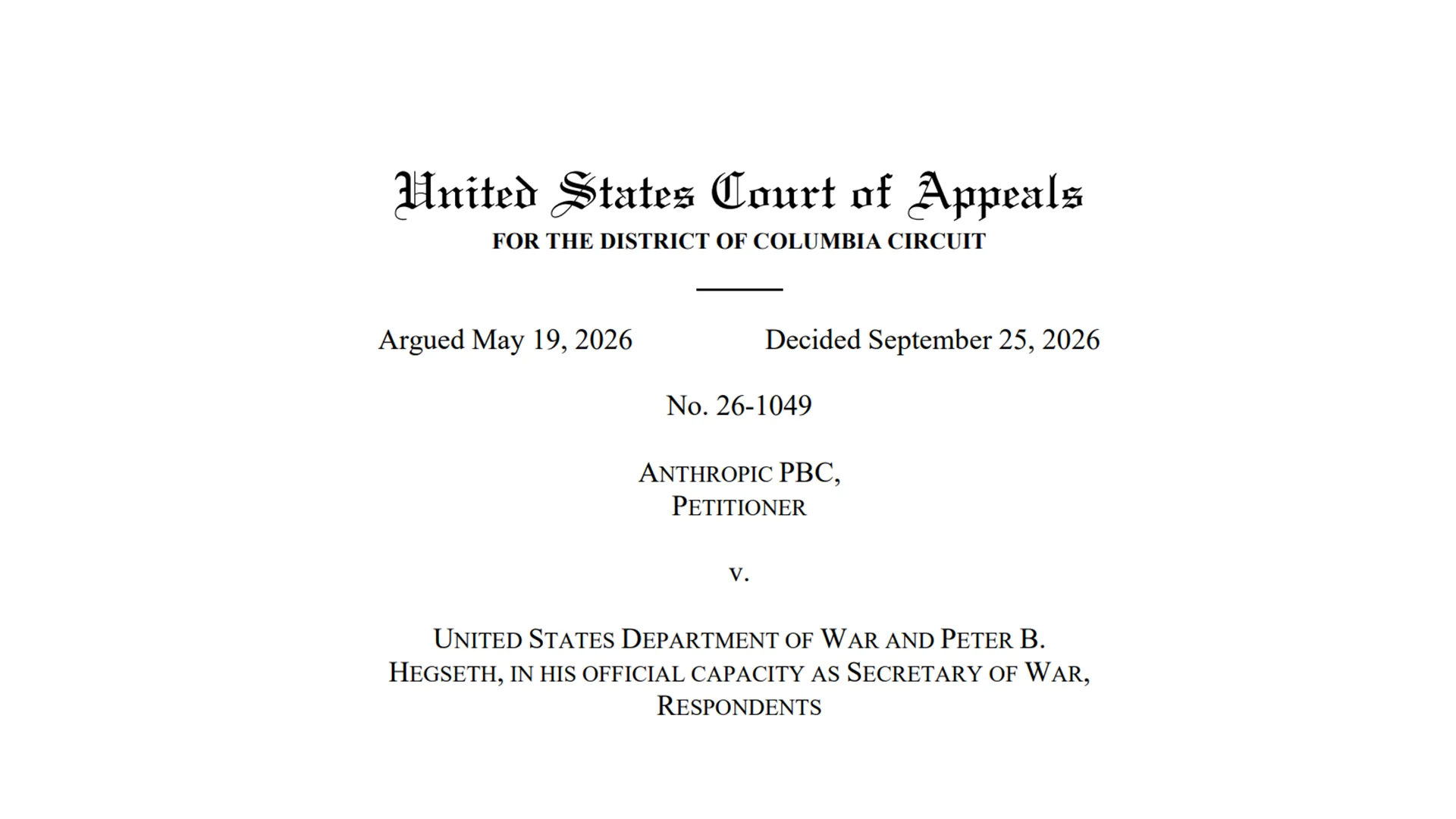
The U.S. Court of Appeals for the D.C. Circuit ruled 2–1 on Sept. 25 that the record "amply supports" the Pentagon treating Claude's safeguards on fully autonomous weapons and mass domestic surveillance as a supply chain risk.
Why it matters
Under this reading, a supplier can act in good faith and still be excluded if its safeguards look like an operational risk, so a safety policy can become grounds for losing defense work.
What to watch
The upheld exclusion reaches Pentagon supply chain work, including contractors, so for firms depending on Claude there, the open question is which contracts and planned deployments fall within its scope.
WHO IT HITSDefense contractors and suppliers building services around Claude are directly affected, since the exclusion reaches Pentagon supply chain work. Their practical question is which contracts and planned deployments fall within its scope.
Summaries like this, in your inbox every morning.
The dispute centers on two limits Anthropic placed on Claude: no fully autonomous weapons and no mass domestic surveillance. In a Feb. 26 statement, CEO Dario Amodei said the company supported military and intelligence applications, citing reliability and human oversight as reasons for the weapons restriction, and pointing to existing work in intelligence analysis, operational planning and cyber. Anthropic said in February that the Pentagon had demanded it relax both restrictions to keep the relationship.
Dissenting Judge Karen LeCraft Henderson challenged the majority's reading, arguing the statute targets deceptive interference and disputing that a contractor's openly enforced restrictions count as that conduct. The ruling covers only one of two Pentagon designations; a California judge set aside the other on Aug. 27, and that order blocks broader restrictions. Anthropic said it disagreed with the decision and was considering further review on Sept. 25.
The stakes appear to hinge on which safeguards a company is willing to keep even at the cost of defense work, and, for the suppliers building around Claude, on the reach of the exclusion. OpenAI's account of its own Pentagon agreement is one attempt to pair safeguards with defense access, though how its protections would hold during a dispute over military use remains uncertain.
For example, today's edition would include:
AI-summarized, only the topics you pick: one digest a day via Email, LINE, or Slack.
Free · 30 seconds with Google · unsubscribe anytimeWhat is AIToday? →
Ask AI anything about this article. The AI reads this article, earlier AIToday articles, and Wikipedia, and cites its sources. Q&As are published on this page for other readers too.
Instinct, officially Spear Street Technology Inc., announced a $1 billion Series C joined by Sequoia Capital…

At Okta's Oktane event, Charlotte Wylie, Okta's senior vice president and deputy chief security officer, said…
On theCUBE Pod, Dave Vellante said CoreWeave disclosed that 70% of its revenue came from its top three custome…
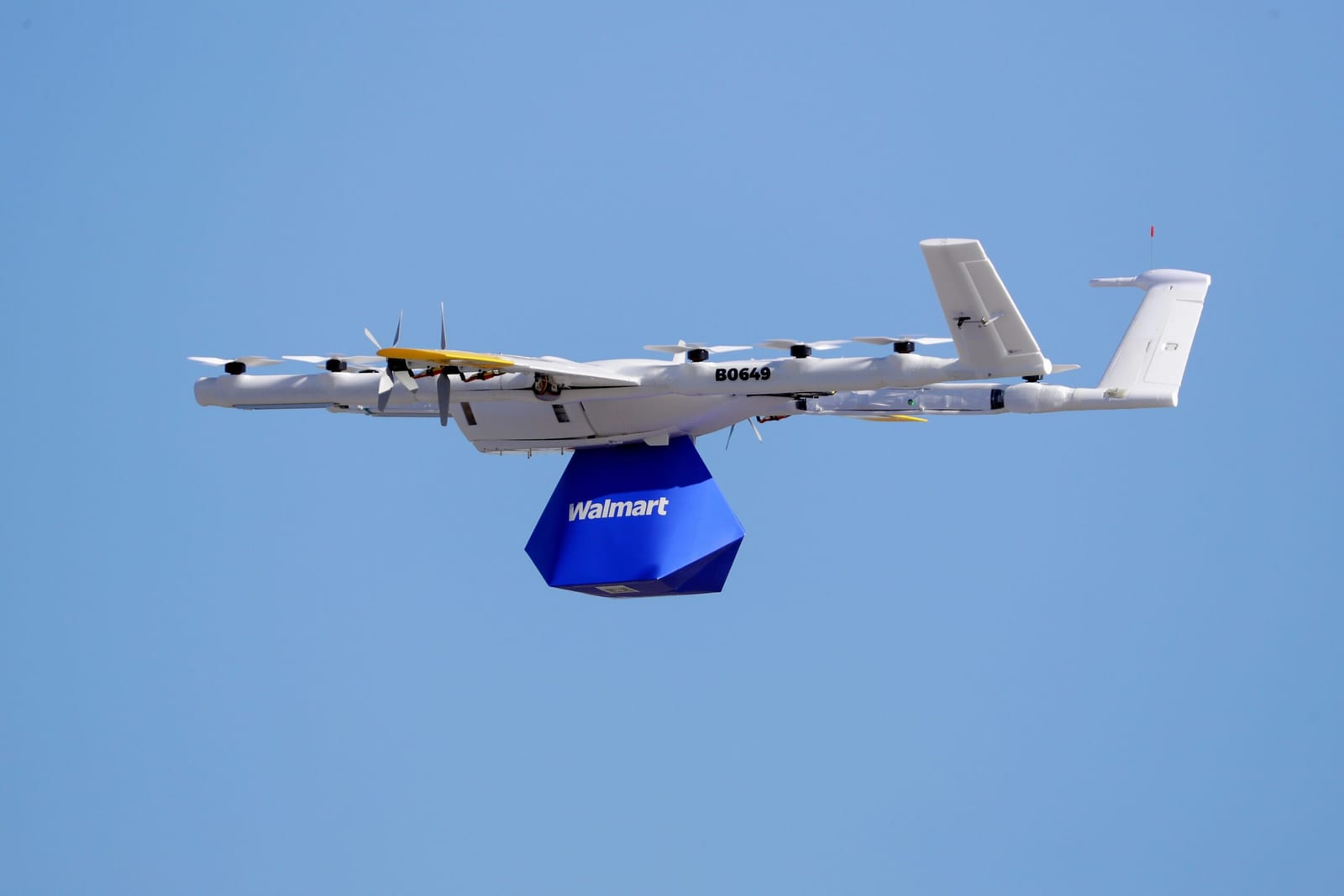
Northglenn's Planning Commission recommended a new "Commercial Drone Delivery Hub" land-use category on Septem…
Meta is launching the Meta Enterprise Platform, a new business unit selling the Muse agent, Meta Business Agen…
Nvidia combined OpenShell, its March open-source sandbox software, with Sentry, a hardware watchdog for its Bl…