
What happened
Raso argued in a blog post that fears of an AI bubble are overstated, citing Anthropic's filing showing $2.08 in profit per $1 of computing cost and revenue reaching $16.3 billion in the first half of 2026.
Why it matters
If AI firms' spending is mainly one-off data-center construction rather than an endless cost sink, the case for an imminent collapse weakens — though Raso concedes real risks remain, from public pushback on data centers to AI misuse by hackers.
Summaries like this, every morning.
Raso's argument rests on a specific reading of where AI companies' money is going: he contends the unprecedented spending is aimed at building the data centers needed to run AI, and that once construction is finished, outlays should fall sharply. That reframing matters because the sustainability critique usually targets the scale of infrastructure spending itself, and Raso answers it by pointing to Anthropic's per-dollar computing economics.
The bubble skeptics' other common concern — that open-source models will catch up and turn frontier AI into a commodity — gets a fast-food analogy from Raso. He notes that burger and sandwich chains have no lasting moat over rivals yet keep earning profits, and argues ordinary users are unlikely to run open-source models locally or switch models often enough for commoditization to bite.
Raso also draws a line between past bubbles and today's AI firms: in a classic bubble, valuations are visibly overheated, whereas he sees Anthropic and OpenAI at sound levels, with most AI developers still private and therefore less exposed to a funding freeze. Even so, he concedes demand could fall on data-center backlash, regulation, or misuse, and says he wrote the skeptical post because online AI-bubble discussion had become an echo chamber. Commenters on Hacker News pushed back that data centers are not warehouses that sit idle after construction, but demand ongoing large-scale capital spending and operating costs.
Pick your industry and the AI tools you use, and get news related to your work every day.
Free · 30 seconds with Google · unsubscribe anytimeWhat is AIToday? →
Ask AI anything about this article. The AI reads this article, earlier AIToday articles, and Wikipedia, and cites its sources. Q&As are published on this page for other readers too.
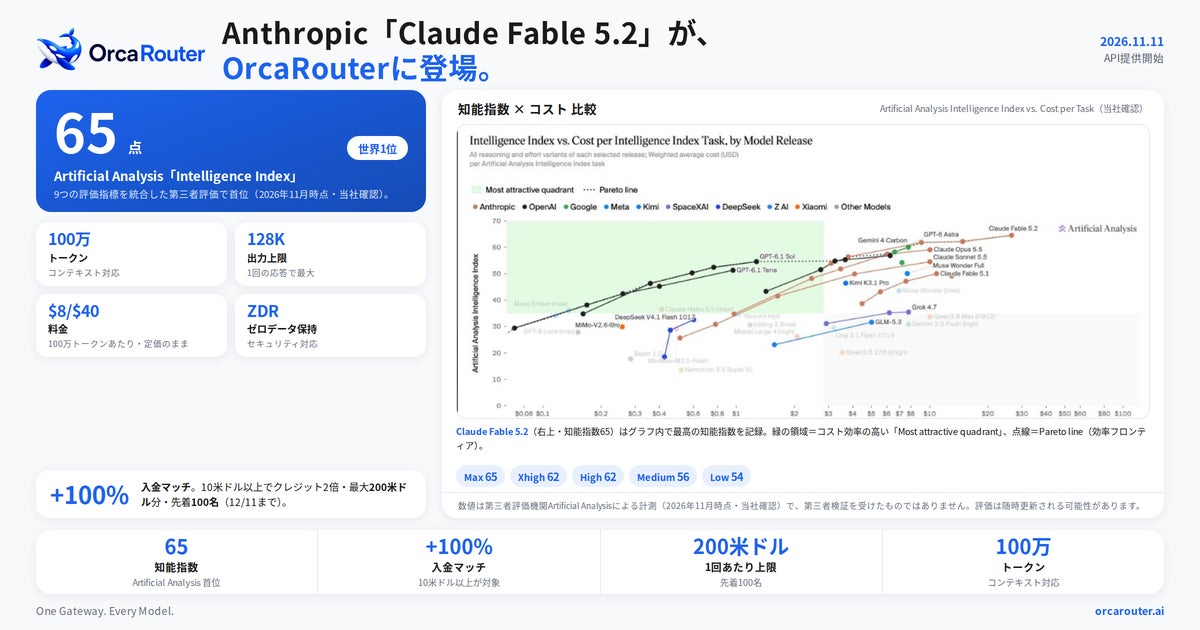
FlashLabs' OrcaRouter gateway began offering Anthropic's Claude Fable 5.2 via API, a model that ranks first on…
GAZAI will begin providing an entertainment-focused LLM on 2026年11月11日 to game companies, VTuber agencies and…

The Motley Fool argues Amazon and Alphabet are safer AI stocks than Palantir for the next market crash, citing…

SoundHound AI stock closed at $4.11 last Friday, down 83% from its all-time closing high of $24.23, and its pr…

Mercor raised a $750M Series D at a $20B valuation after hitting $3B annualized revenue, up from $1B in Februa…
OpenAI released a beta of "Businesses in ChatGPT" in ChatGPT's service regions, including Japan