
What happened
OpenAI's Eric Provencher recommends reviewing skills, AGENTS.md, and task prompts when switching to GPT-6 Astra, warning that piled-up instructions can eat context or make the model stop early.
Why it matters
Older models needed strict approval rules after going rogue, but Provencher says Astra's better judgment means those same restrictions can now stop it from continuing work you want done.
What to watch
Whether teams tighten instructions and define "done" upfront, since without restrictions Astra may stop earlier than GPT-5.6 Sol. Watch how shared skills built for Sol or Luna translate to Astra.
WHO IT HITSEnterprise development teams managing shared agent skills and repository-level prompt files (AGENTS.md) will need to audit and selectively rewrite instructions on a per-model basis, as rules that work for one model may already be too restrictive for Astra.
Ask the AI about this article →
Summaries like this, in your inbox every morning.
OpenAI has recently published detailed prompting tips for GPT-6 Astra, and these latest recommendations from Eric Provencher on skills and project instructions build on that earlier guidance. The advice focuses on two areas where developers often accumulate cruft: skill descriptions and AGENTS.md rules. Skills, which are stored as Markdown files, work best when scoped to specific workflows, but too many skills force Codex to truncate descriptions and lose the information it needs to choose correctly. Conflicting or overly broad descriptions can also load unnecessary instructions. Similarly, mandatory reading of multiple documents before every change wastes context, and the fix is to point selectively to architecture, database, or deployment docs depending on the task.
Another theme is that restrictions designed for earlier models may backfire. Provencher notes that if earlier models went rogue and you locked things down with strict approval rules, it's time to revisit those when switching to Astra. The model's better judgment means it can interpret old restrictions so literally that it stops even when you want it to keep going. Known, safe workflows should be explicitly allowed. Even without restrictions, Astra may stop earlier than GPT-5.6 Sol, so defining upfront what "done" means becomes important.
The stakes here hinge on how teams manage shared skills that apply to every contributor's agents. What works for Sol or Luna might already be too restrictive for someone running Astra, so teams face the challenge of aligning instructions across different models. The outcome depends on how carefully developers review and adapt their prompts and rules when switching models, rather than assuming one set of instructions fits all.
For example, today's edition would include:
AI-summarized, only the topics you pick — one digest a day via Email, Slack, or Discord.
Free · 30 seconds with Google · unsubscribe anytimeWhat is AIToday? →
Ask AI anything about this article. Q&As are published on this page for other readers too.
On Nvidia's latest earnings call, CEO Jensen Huang said AI crossed an inflection point last month, with most A…
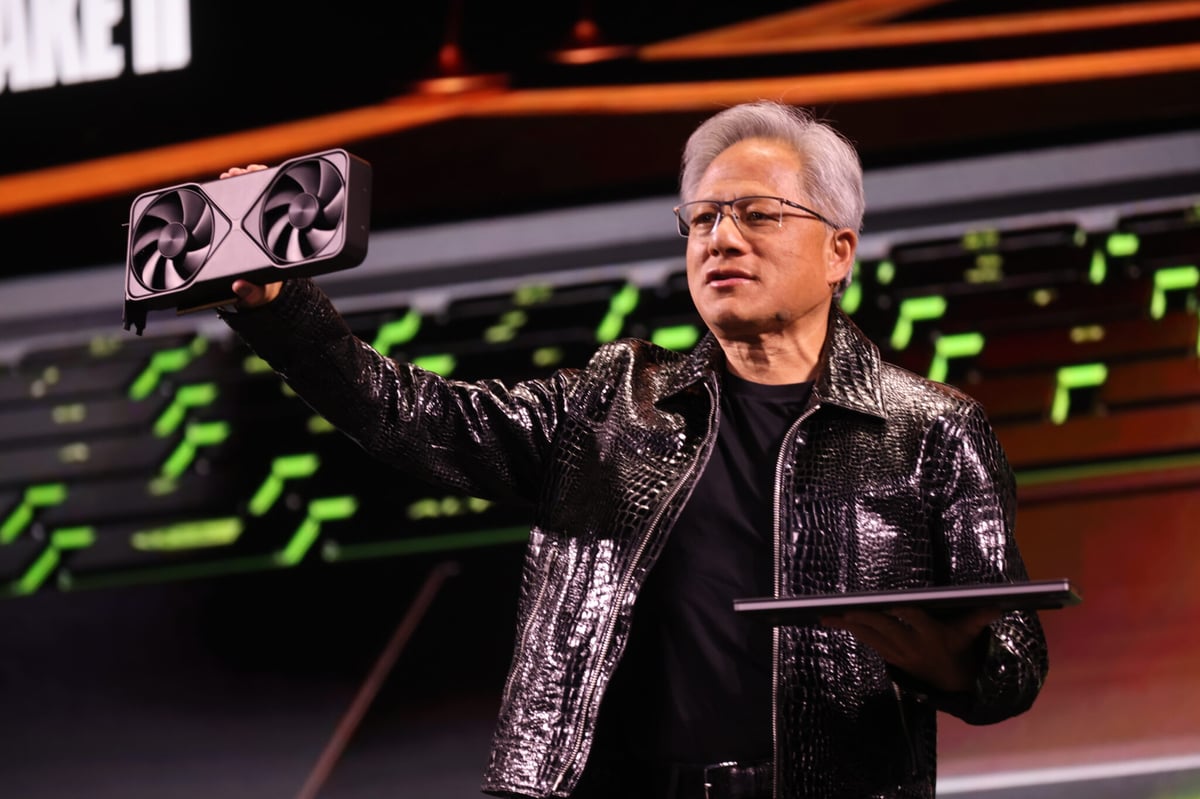
Nvidia is reportedly discussing anchoring Anthropic's planned $100 billion IPO at a valuation near $2 trillion

A KAIST and Naver AI Lab study found that reasoning operations like extraction, decomposition, formula recall…
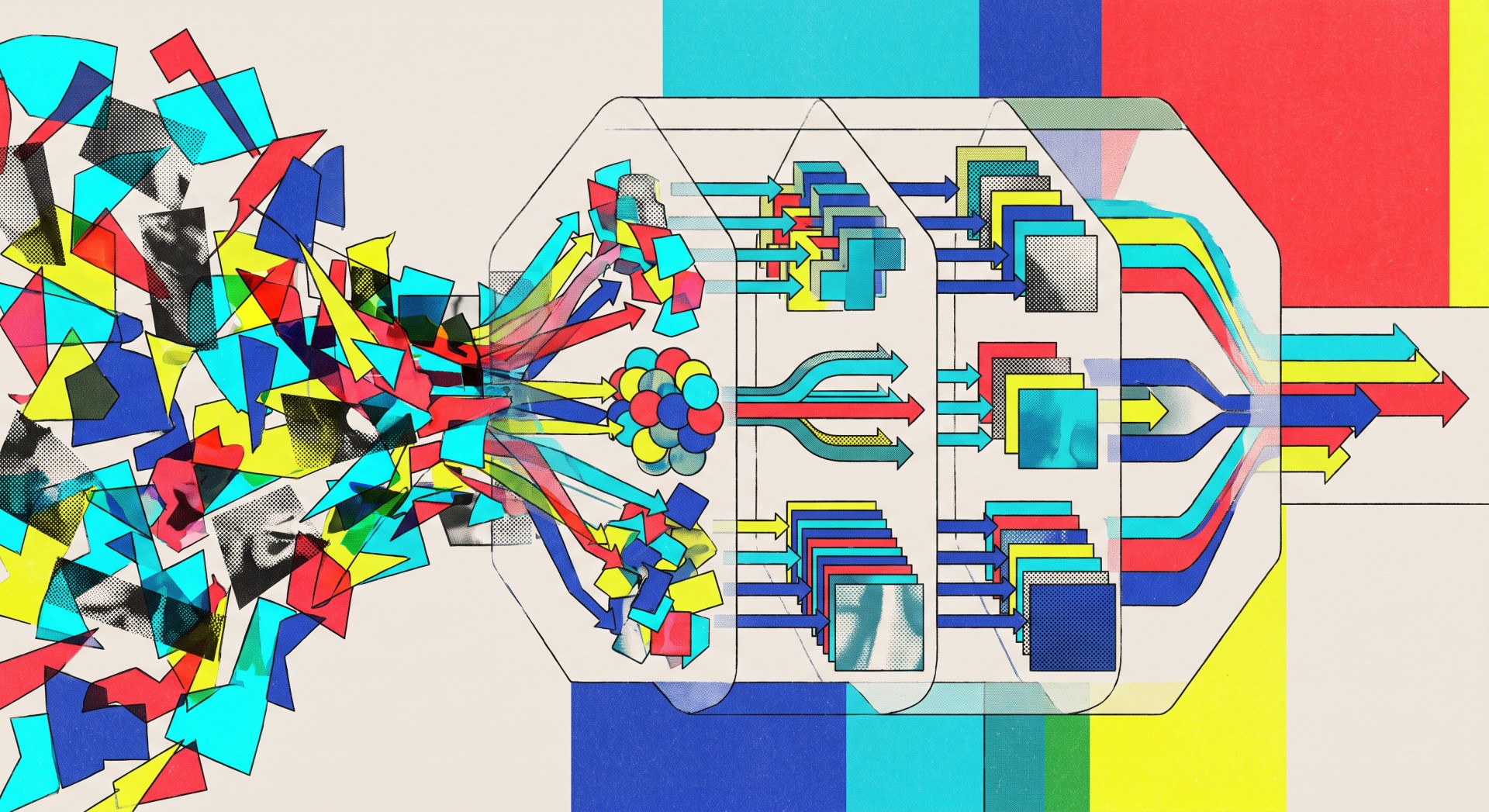
Reuters reports Nvidia is in talks to invest up to $10 billion in Anthropic's planned IPO as an anchor investo…
On StationeryBench, OpenAI's GPT-6 Astra fully completed 7 of 100 dual-arm robot tasks versus zero for Ai2's M…
Anthropic CEO Dario Amodei published an essay proposing a three-step plan to slow frontier AI progress, and sa…