BAND (also known as Thenvoi AI Ltd.), a new startup, exited stealth today with $17 million in Seed funding to solve a problem that has emerged as companies deploy more AI agents: different AI assistants built by different tools (LangChain, CrewAI, Salesforce, custom Python scripts) cannot easily hand off tasks to each other or coordinate work.
BAND built what it calls an 'interaction infrastructure' — essentially a translation layer that lets AI agents communicate regardless of which platform or tool built them, turning a fragmented collection of isolated digital workers into a unified team that can collaborate on complex tasks.
For enterprises deploying multiple AI agents across departments and systems, this means avoiding the costly engineering headache of manually rebuilding agents to work together — a major pain point as companies move beyond experimenting with AI to actually embedding it into their operations. Finance teams using one AI tool and customer service teams using another can now have those AIs coordinate seamlessly.
Ask the AI about this article →
For example, today's edition would include:
AI-summarized, only the topics you pick — one digest a day via Email, Slack, or Discord.
Free · takes 30 seconds · unsubscribe anytimeWhat is AIToday? →
Ask AI anything about this article. Q&As are published on this page for other readers too.
Anthropic reset the 5-hour and 1-week usage limit windows for its AI service Claude on September 1, in connect…
Salesforce and Anthropic announced Claudeforce, starting with "Salesforce in Claude." This plugin lets users i…
McKinsey's 2025 survey found that while 65% of companies continuously use generative AI, fewer than 5% have ac…

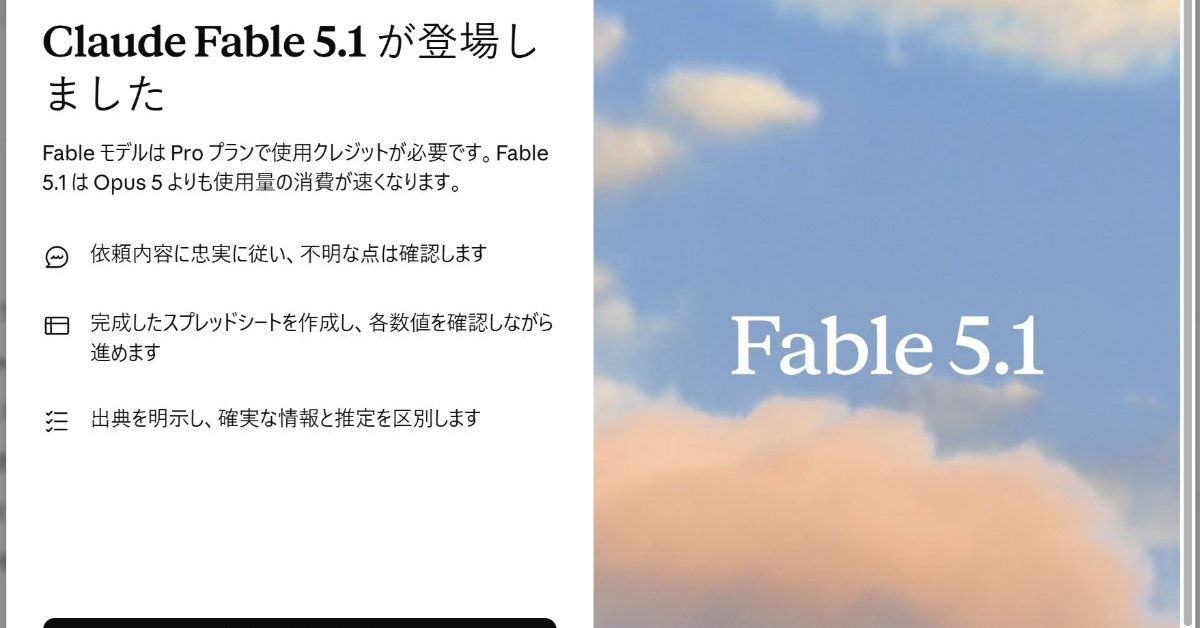
Anthropic announced Claude Fable 5.1 and Claude Mythos 5.1 on September 1
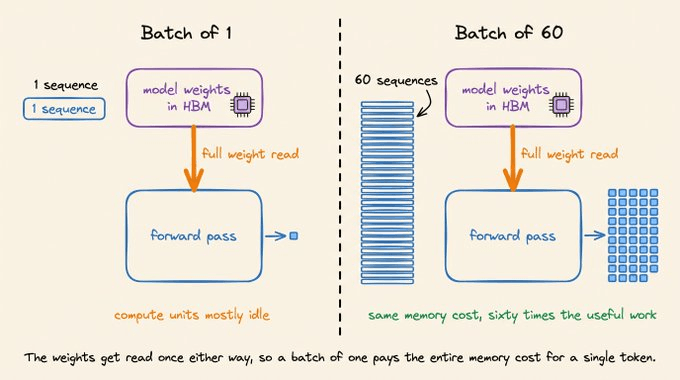
A technical explainer compares three LLM serving strategies—static, dynamic, and continuous batching
Anthropic's latest model, Claude Fable 5.1, is now available on Snowflake Cortex AI