What happened
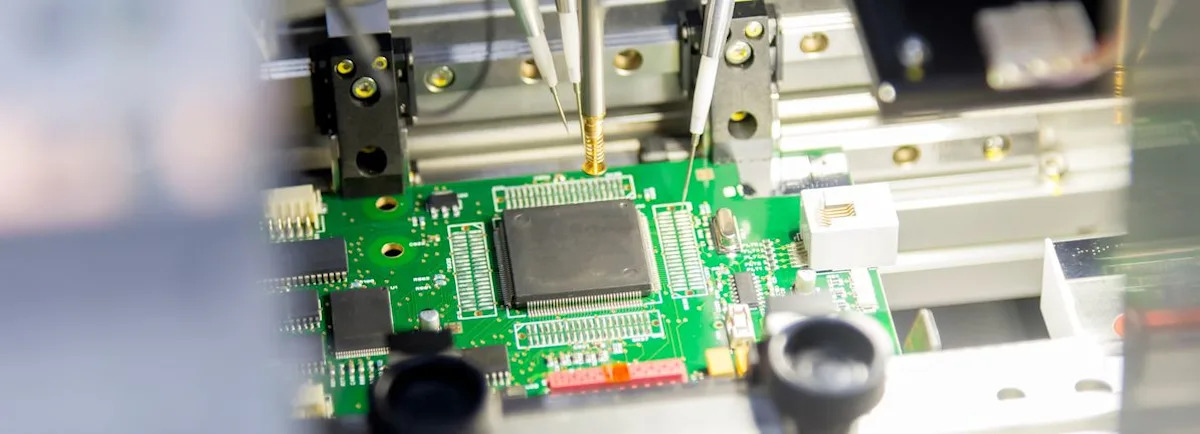
Amkor Technology's board approved a quarterly cash dividend of US$0.08352 per share, payable September 22, 2026. The stock rose 6.7% following the announcement and updates to its advanced-packaging pipeline, which includes partnerships with TSMC and NVIDIA.
Why it matters
The dividend signals confidence in Amkor's cash generation at a time when the company is investing heavily to ramp advanced-packaging capacity in Arizona. Amkor's role as a packaging and test partner for the AI and high-performance computing ecosystem depends on converting its pipeline into sustained revenue and earnings while managing significant capital spending.
What to watch
The critical test is how quickly Amkor can scale advanced-packaging capacity and translate its AI-linked pipeline into revenue growth. Community valuations for the stock span widely—from roughly US$25 to just over US$99 per share—reflecting uncertainty about whether the company's ambitious expansion plans justify its elevated spending profile.
Summaries like this, in your inbox every morning.
Amkor Technology's dividend approval and stock price move reflect investor confidence in the company's positioning within the AI and high-performance computing supply chain. The company's narrative centers on its role as a critical outsourced packaging and test partner, anchored by relationships with two major players—NVIDIA and TSMC. However, the stock's 6.7% rise appears driven less by the dividend itself (which investors view as unlikely to move the share price substantially on its own) and more by the signaling effect of the dividend coupled with updates to the advanced-packaging pipeline.
The central tension for investors is between Amkor's ambitious expansion plans and its capital intensity. The company is investing heavily to ramp capacity in Arizona, yet its ability to convert the AI and high-performance computing pipeline into sustained revenue and earnings remains unproven. The dividend affirmation does signal that management believes current cash generation is sufficient to support both returns and growth capex, but this confidence sits alongside reported softness in the Communications segment and recent insider selling—facts that temper the bullish narrative. Community valuations underscore this uncertainty, ranging from roughly US$25 to just over US$99 per share, a disparity that reflects genuine disagreement about whether Amkor's expansion thesis justifies its spending profile.
Pick your industry and the AI tools you use, and get news related to your work every day.
Free · 30 seconds with Google · unsubscribe anytimeWhat is AIToday? →
Ask AI anything about this article. The AI reads this article, earlier AIToday articles, and Wikipedia, and cites its sources. Q&As are published on this page for other readers too.
Dell leads day 1 of the AI Cybersecurity and Resilience Summit on Oct

RapidCanvas raised $29 million in a Series B led by Vertex Ventures SEA & India, with Hitachi Ventures, Accel…

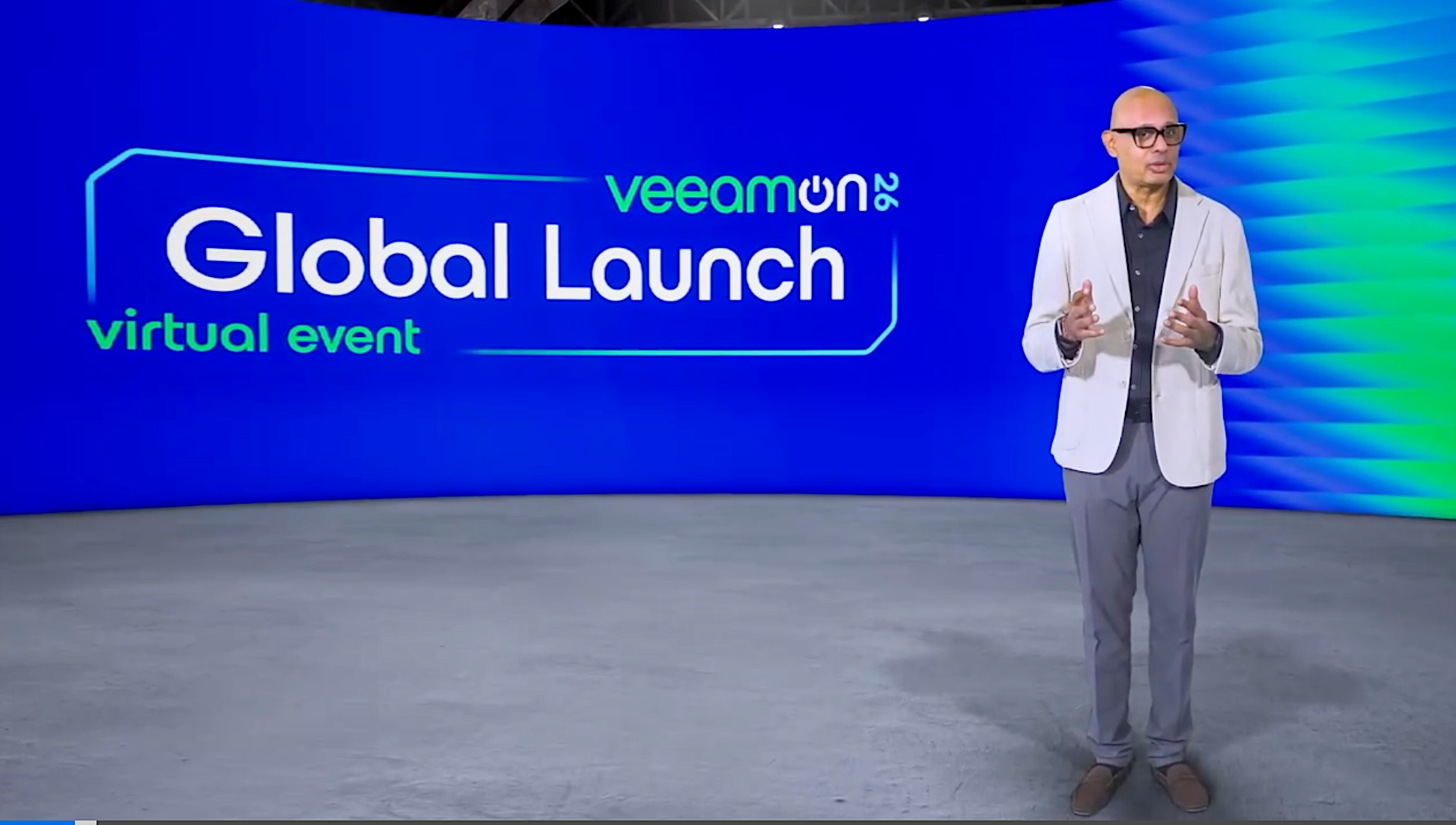
Veeam announced Veeam Intelligent ResOps (iResOps), with Microsoft 365 as the first generally available worklo…
NDC Minister Yeh Chun-hsien said Taiwan's economy is projected to grow 6.04% in 2027, as global AI-related cap…
CoreWeave shares tumbled almost 25% this week as its bond yields surged, then fell another 12% Friday, even af…

AIBotics completed its acquisition of NovaCore Labs' operating assets from PlayJamaica Limited, gaining 10 ser…