What happened
The United States is preparing to tell dozens of countries they must choose between joining the U.S.-led Pax Silica AI initiative or China's competing framework, with the threat of exclusion from the American coalition if they join both. Pax Silica, launched last year, aims to secure supply chains for AI models, semiconductors, and critical minerals. About two dozen countries have already joined, including Kazakhstan, Japan, Australia, and South Korea.
Why it matters
The ultimatum reflects intensifying U.S.-China competition over AI and semiconductor supply chains. Countries like Kazakhstan that have joined both coalitions now face pressure to abandon one, complicating efforts by nations to maintain balanced relationships with both superpowers in a technology domain that shapes economic and national security strategy.
What to watch
How major U.S. allies and strategically important mineral suppliers respond to the either-or demand. Kazakhstan's position is particularly significant given its role as a key potential source of critical minerals needed for AI infrastructure.
Summaries like this, in your inbox every morning.
The U.S. move represents a hardening of its technological stance toward China, moving beyond coalition-building into explicit exclusion pressure. By framing Pax Silica as a supply-chain security initiative focused on AI models, semiconductors, and critical minerals, Washington has positioned it as essential infrastructure for the technology competition. The presence of about two dozen signatories, including close U.S. allies, suggests the coalition has gained some traction, but the emergence of countries that have joined both initiatives—most notably Kazakhstan—reveals the limits of voluntary alignment and the appeal of Beijing's competing offer to nations seeking to maintain flexibility in their technology partnerships. The ultimatum strategy indicates Washington now views dual participation as incompatible with its security objectives, forcing a choice that many countries may find diplomatically difficult, especially those with genuine economic or geographical ties to both blocs.
Pick your industry and the AI tools you use, and get news related to your work every day.
Free · 30 seconds with Google · unsubscribe anytimeWhat is AIToday? →
Ask AI anything about this article. The AI reads this article, earlier AIToday articles, and Wikipedia, and cites its sources. Q&As are published on this page for other readers too.
In Q2, billionaires or their funds sold six 'Magnificent Seven' AI stocks
Nvidia was rising early Friday, even as the wider chip sector kept falling, Barron's reported
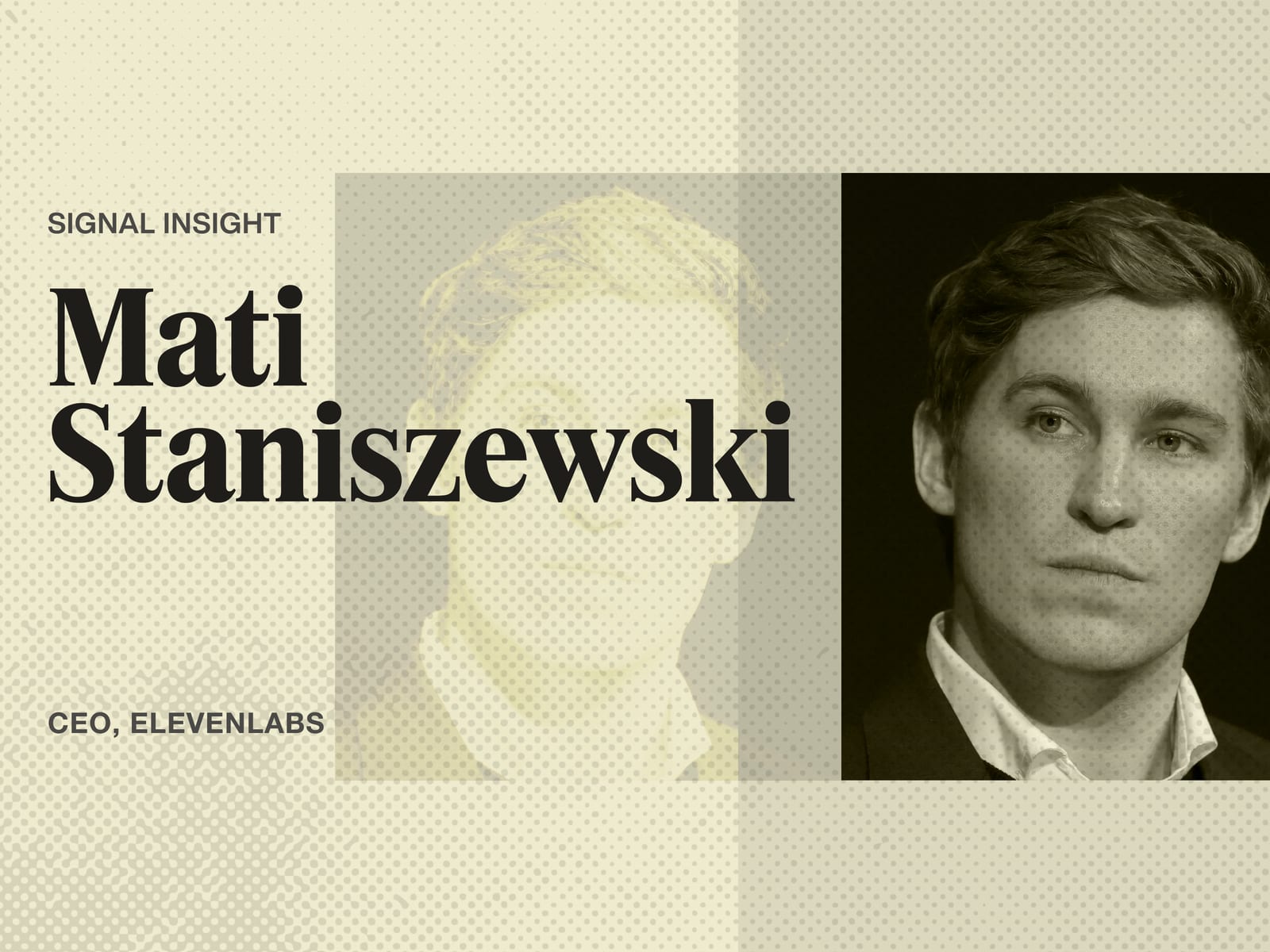
ElevenLabs completed a $300 million employee tender at a $22 billion valuation, and co-founder Mati Staniszews…
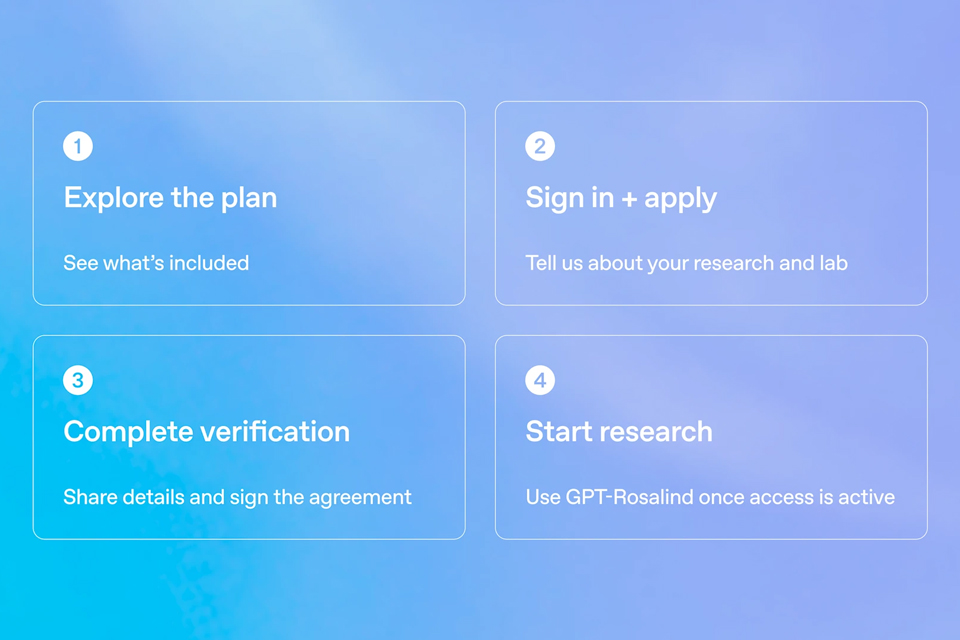
On October 15, OpenAI announced the Rosalind Academic Plan, giving approved US university labs free access to…
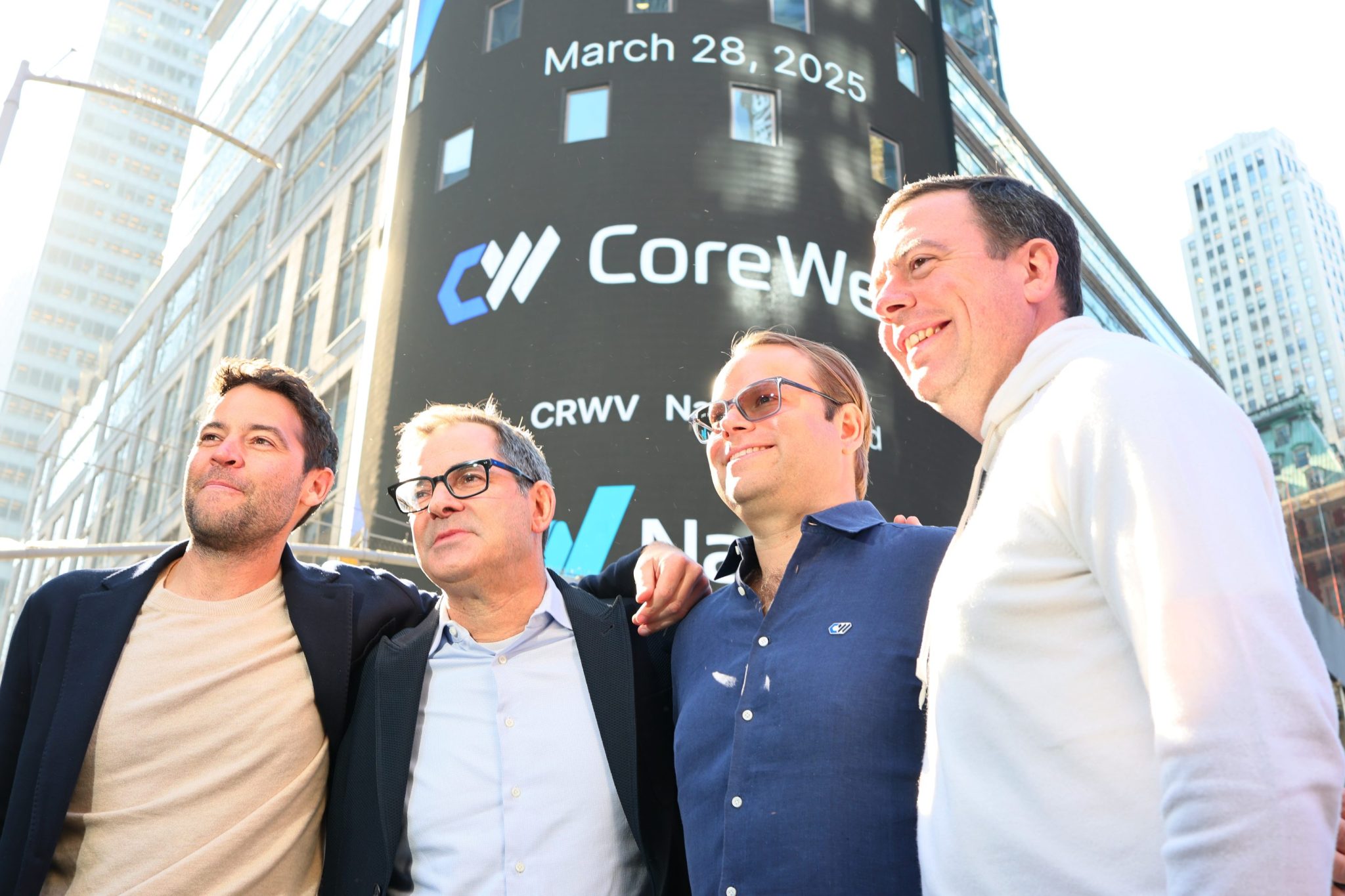
Neostellar Capital principal Evan Schlossman said CoreWeave's $103.7 billion in remaining performance obligati…
Supermicro Computer appointed Mark Long as chief financial officer, bringing an experienced technology finance…