What happened
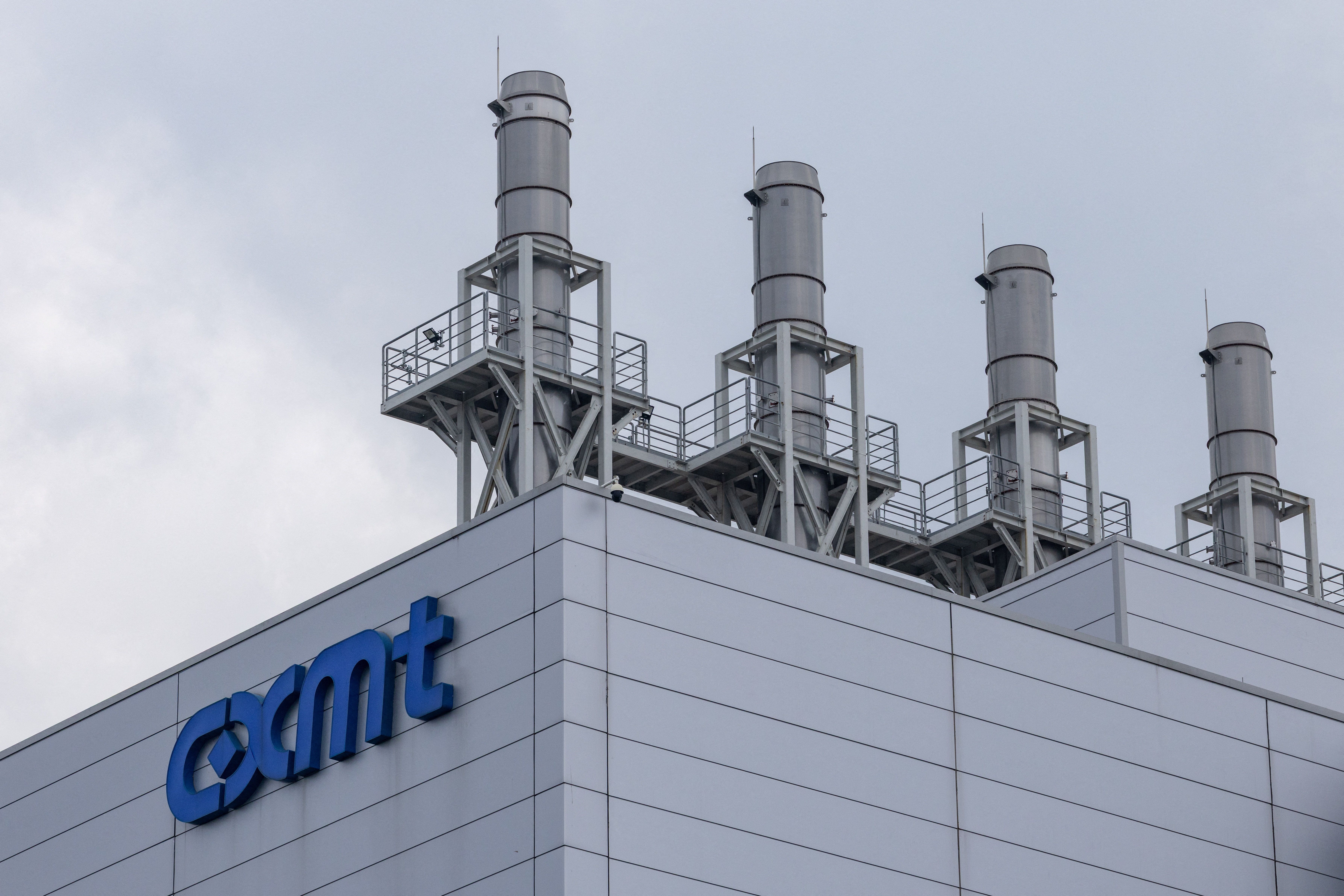
Apple is testing memory chips from China's CXMT in iPhones and MacBooks, and is seeking White House approval to use CXMT chips in products sold in China, according to The Wall Street Journal.
Why it matters
Apple raised prices two months ago due to chip costs, signaling pressure from an AI-induced memory shortage. However, a bipartisan group of US senators wrote in July to discourage Apple from pursuing Chinese chips, as Washington tightened curbs on Beijing's tech, making approval uncertain.
What to watch
CXMT, one of the most valuable mainland-listed companies following its July IPO, remains "two to three generations" behind competitors like SK Hynix, Samsung, and Micron, according to an analyst, suggesting the chips may not yet match performance standards of established suppliers.
Summaries like this, in your inbox every morning.
Apple's testing of CXMT memory chips reflects mounting pressure from an AI-induced shortage that has already prompted price increases across its product line. The company raised prices two months ago explicitly due to chip costs, signaling that supply constraints are real and immediate. By seeking White House approval for CXMT chips in China-market products, Apple is attempting to navigate both supply scarcity and geopolitical restriction—a delicate balance that underscores how semiconductor dependencies have become entangled with US-China technology policy.
The political obstacle is substantial. A bipartisan group of US senators actively discouraged Apple from this path in July, timed to broader Washington efforts to tighten curbs on Beijing's tech capacity ahead of next month's summit. This signals that the White House approval Apple is requesting faces skepticism at the legislative level. Meanwhile, CXMT's own technological position—"two to three generations" behind SK Hynix, Samsung, and Micron—means that even if political approval were granted, the chips may not yet satisfy Apple's performance or reliability requirements, creating a second constraint beyond policy.
For example, today's edition would include:
AI-summarized, only the topics you pick: one digest a day via Email, LINE, or Slack.
Free · 30 seconds with Google · unsubscribe anytimeWhat is AIToday? →
Ask AI anything about this article. The AI reads this article, earlier AIToday articles, and Wikipedia, and cites its sources. Q&As are published on this page for other readers too.
Trump said he and Xi Jinping have no interest in slowing AI, telling his social media platform: "I want to lea…

OpenAI's Head of Applied Research, Boris Power, said 80 to 90 percent of the company's research goes toward GP…

Microsoft folded full Word, Excel, and PowerPoint into Copilot and pushed agent-style features like Home, Chat…

Advanced Micro Devices and Advantech announced a collaboration to accelerate Edge AI workloads using AMD embed…
The author projects that a $1,000 investment split between Alphabet and Nvidia could be worth over $3,000 by 2…

Google is testing a "Buy" button on select Flipkart listings inside Gemini and AI Mode in India, covering smar…