
What happened
Google DeepMind released Genie 4 in research preview on Tuesday, adding real-time audio and free-form mid-simulation edits like changing weather or camera angle, with consistent scenes lasting up to two minutes — double its predecessor's limit.
Why it matters
Doubling scene consistency to two minutes and adding audio moves world models closer to usable interactive media, though Google acknowledges details can drift the longer a simulation runs.
What to watch
In the coming weeks, Genie 4 will roll out to Google AI Ultra subscribers in Project Genie and to early access partners of the Gemini API and Google AI Studio.
WHO IT HITSFilmmakers and game designers who prototype scenes will get a faster way to iterate on storyboards and environments before committing to production, according to Google DeepMind engineer Diego Rivas.
Summaries like this, every morning.
Genie 4 arrives a couple of months after AI video startup Runway released its second world model, GWM Worlds 2, a playable model with audio generation. Google's release also comes as the world model industry begins to consolidate: Fei-Fei Li's World Labs is being acquired by AMD, Amazon is in talks to buy Decart, and Rivian just acquired Third Dimension to bring simulation capabilities in-house for self-driving testing. Against that backdrop, Genie 4 is Google's latest move to stay ahead in the crowded field, following Genie 3's research preview a little over a year ago.
Within Google's own stack, Gemini is more closely integrated with Genie 4, acting as the director that plans steps and checks frames while Genie creates the visuals. In a research experiment tied to Gemini Robotics, a Gemini 4 Argon model broke down tasks into steps that Genie 4 simulated in real time — showing a possible way to test robot scenarios in simulation before they happen in the real world. Research director Tejas Kulkarni said he expects to see more "hybrid world models" combining Gemini writing code and text with Genie simulating reality in real time.
Beyond the pitched commercial uses of gaming, interactive learning, and robotics, trusted testers are pointing to prototyping films as a possible new use. Google DeepMind engineer Diego Rivas said the real-time aspect is most valuable in the ideation and storyboarding phases, where keeping a state of flow matters. He added that users could eventually rely on Gemini Omni to turn prototypes into creative assets, though those capabilities are still a ways off — and he stressed it's still early days for Genie 4, with the end-to-end product experience not yet clear.
Pick your industry and the AI tools you use, and get news related to your work every day.
Free · 30 seconds with Google · unsubscribe anytimeWhat is AIToday? →
Ask AI anything about this article. The AI reads this article, earlier AIToday articles, and Wikipedia, and cites its sources. Q&As are published on this page for other readers too.
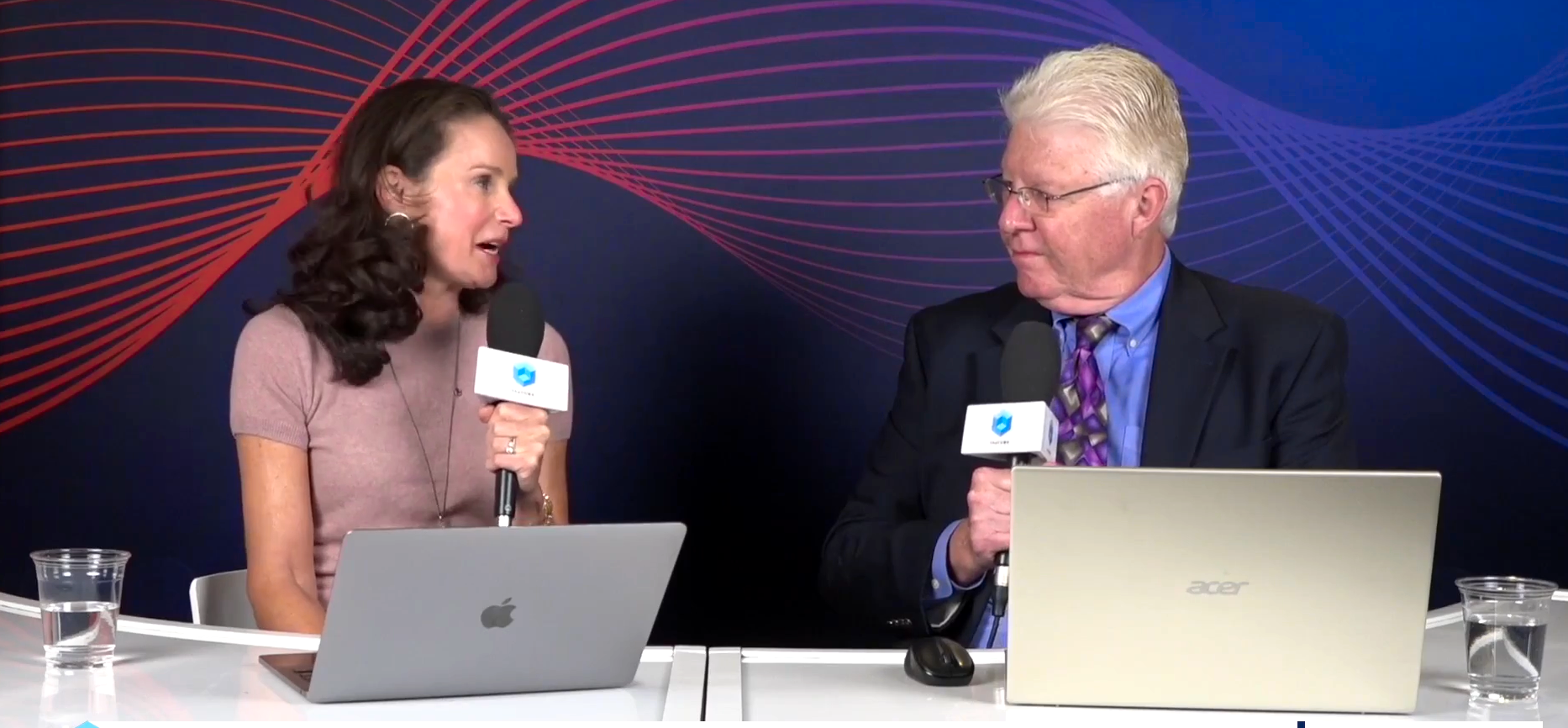
Paul Gillin said at EVOLVE26 that Cloudera is positioning itself as an "anywhere cloud for AI," extending clou…
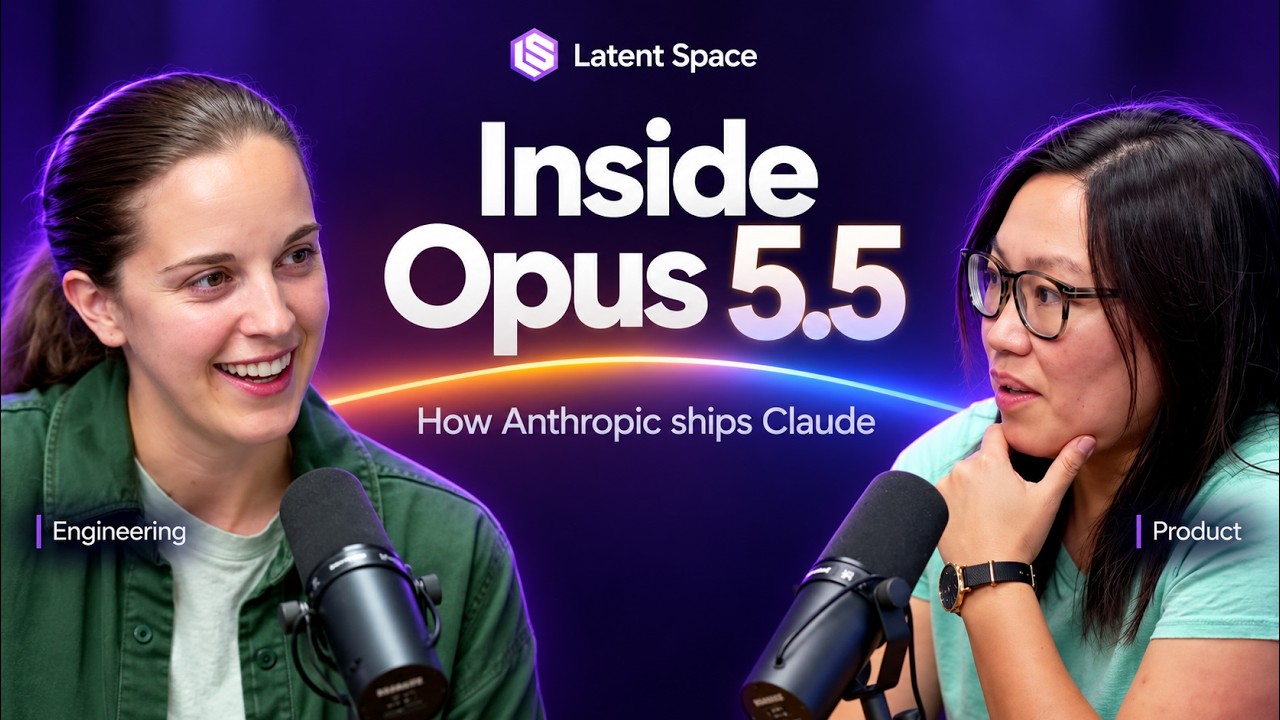
On Latent Space, Anthropic's Katelyn Lesse and Angela Jiang detailed the Claude Platform's architecture, inclu…
Google Deepmind introduced Genie 4, a real-time world model that generates sound directly, including backgroun…

Oracle said it will deploy Google TPU AI chips in Oracle Cloud Infrastructure, providing the power, cooling an…

OpenAI released GPT-6.1 Terra, pitched at image and screen understanding, PC operation, and natural writing, a…

Apple's Oct 27 refresh brings the M6 to a $1,499 iMac and $1,999 14-inch MacBook Pro, both shipping Nov 6 with…