What happened
Snowflake's internal team built an AI-powered contract review agent using Snowflake Cortex AI and related tools to automatically extract and classify terms from customer order forms, MSAs, and amendments. The system flags nonstandard clauses for auditor review rather than replacing auditor judgment, and review time dropped to hours from days.
Why it matters
Enterprise contract review traditionally requires manual line-by-line reading of thousands of PDFs per quarter, creating bottlenecks and human-error risks in revenue recognition. The agent handles exhaustive document scanning across the entire contract population, freeing auditors to focus on exception handling and judgment — expanding assurance without proportional headcount growth. The system is fully auditable: every extraction, classification, rule change, and correction is logged with full provenance.
What to watch
The playbook—a user-managed Snowflake table that auditors edit directly—defines what counts as standard or nonstandard terms and updates take effect immediately on the next run, without engineering changes. A parallel novel-term detector flags clauses semantically distant from known-standard language, and auditor labels feed back into the system to sharpen future detection. Snowflake is extending the architecture to other agreement types.
Summaries like this, in your inbox every morning.
Contract review at enterprise scale is a manual bottleneck. Snowflake processes thousands of customer order forms per quarter, each carrying unique commercial terms—capacity commitments, discount structures, billing frequencies, incentive clauses—that must be reviewed for revenue recognition compliance and audit controls. Traditionally, auditors read PDFs line by line to identify nonstandard clauses; as deal volume grows, this model breaks. The VP of Internal Audit noted that auditors were spending hours manually scanning PDFs to find nonstandard terms yet could only provide assurance on a sample of the population.
Snowflake's approach inverts this: rather than replace expert judgment, the system removes the tedious detection work. The Contract Review Agent ingests order-form PDFs via Snowflake Openflow, extracts structured fields using Cortex AI and AI Extract, then evaluates every term against a playbook—a governed Snowflake table that auditors edit directly. The agent scores each clause with confidence scores, clause excerpts, page references, and natural-language reasoning, flagging novel terms that fall outside the corpus of known-standard language. Auditors then focus on deciding what to do about flagged items, approving or overriding each finding. Every correction flows back into the system as long-term memory, sharpening extraction and classification on subsequent runs.
The playbook design is critical: it puts control in auditors' hands and allows rapid response to new contract patterns. When a novel discount structure appears, auditors add a rule and the agent flags it across the entire corpus on the next run, without engineering involvement. The result is full coverage without linear headcount growth, plus auditability—every extraction, classification, rule change, and correction is logged with full provenance, the kind of evidence trail external auditors expect.
Pick your industry and the AI tools you use, and get news related to your work every day.
Free · 30 seconds with Google · unsubscribe anytimeWhat is AIToday? →
Ask AI anything about this article. The AI reads this article, earlier AIToday articles, and Wikipedia, and cites its sources. Q&As are published on this page for other readers too.
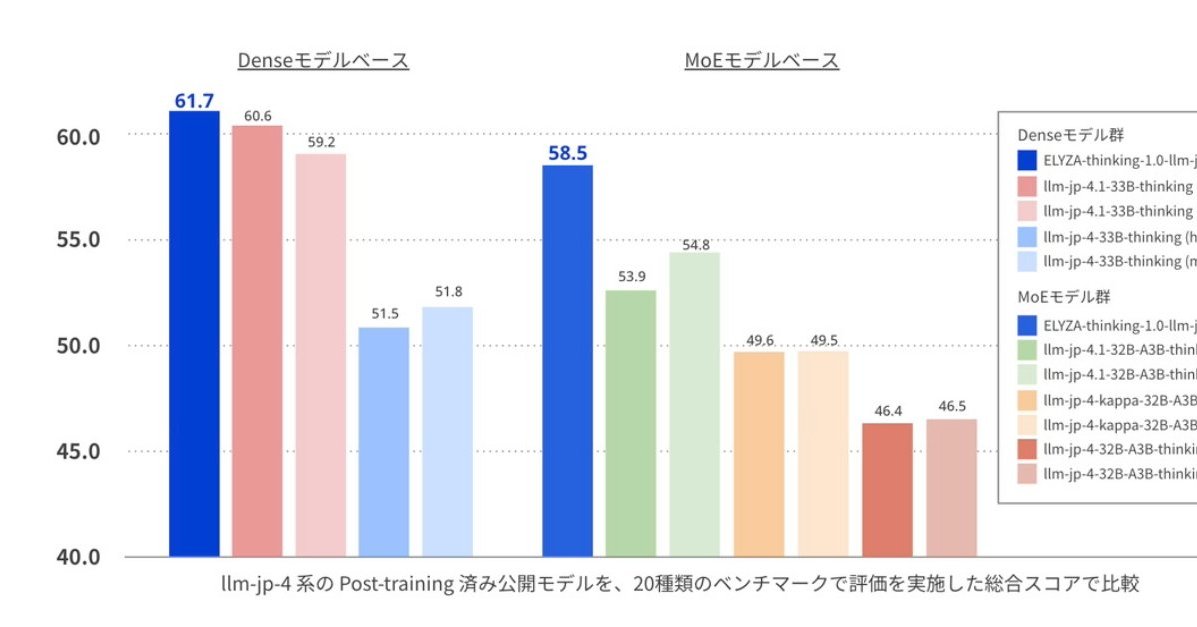
ELYZA, a KDDI group AI company, announced on October 2 it had made ELYZA-Thinking-1.0-llm-jp-4-33b and ELYZA-T…
OpenAI's product lead Thibault Sottiaux said on X that ChatGPT's usage limits will be reset for all paid users…
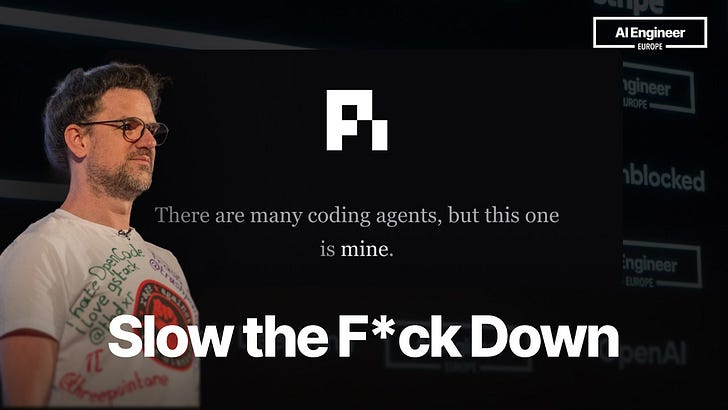
Earendil's Pi 1.0 and Pi Durable both hit the HN front page
Ricoh began offering the community-type Dify app-sharing platform "RICOH AI App Mall powered by Dify" on Octob…

OpenAI is starting its student-led "OpenAI Student Collective" in Japan, naming 10 universities and 17 student…
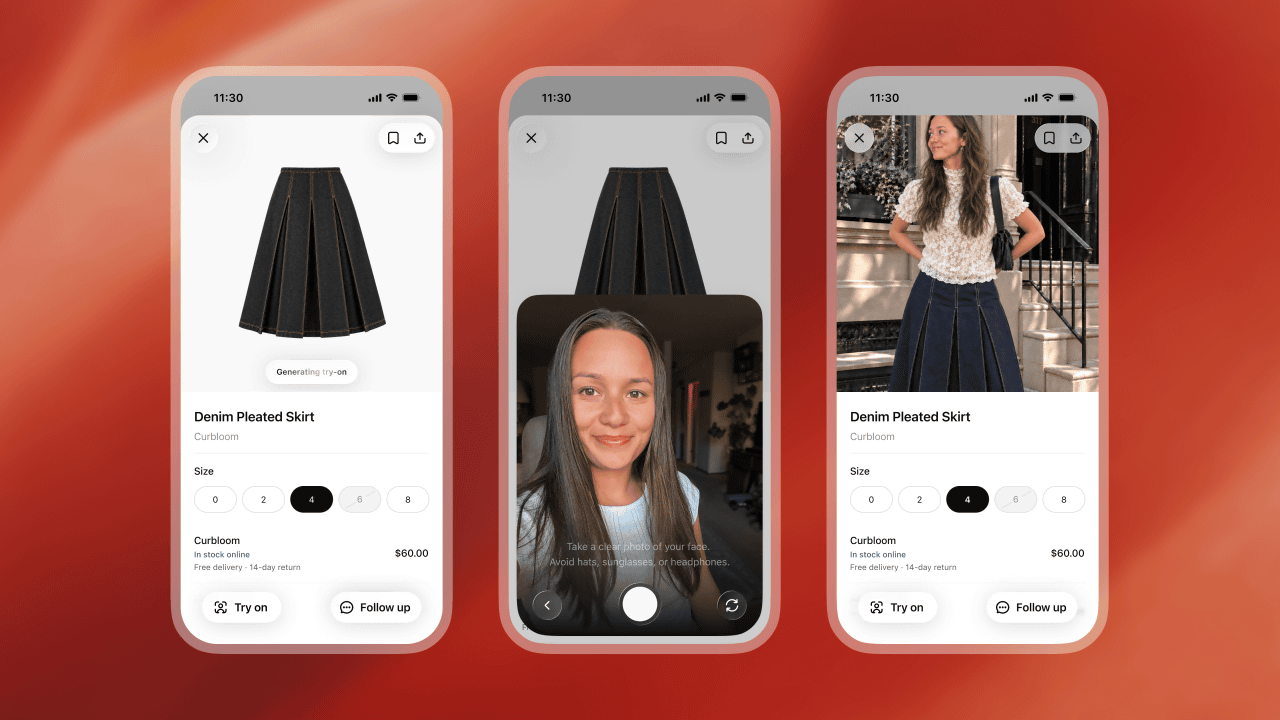
OpenAI added a "Try on" button in ChatGPT, based on ChatGPT Images 2.5 announced on September 8, 2026