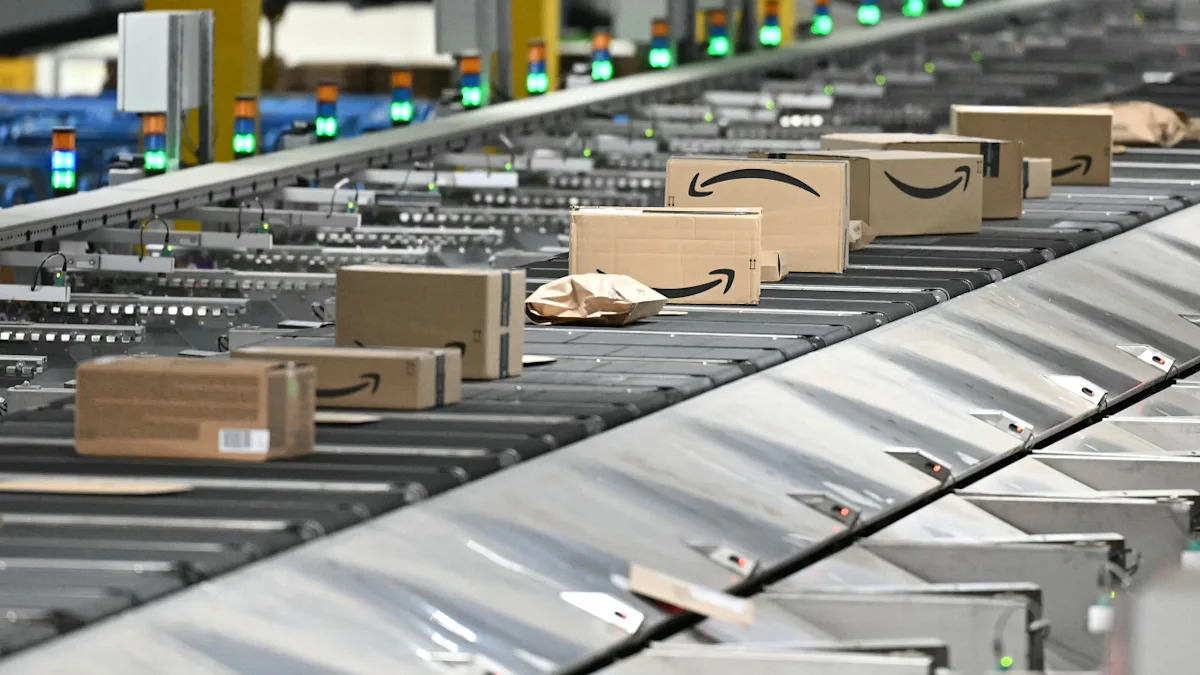
Amazon has introduced an AI system in its warehouses to optimize staffing in response to rising demand for fast fulfillment, but internal documents obtained by Business Insider reveal that warehouse managers regularly circumvented the system's recommendations during early testing. Executives identified this as a major flaw and shifted focus toward "hard" enforcement to prevent manual overrides, signaling the company's intent to tighten algorithmic control over workforce management decisions.
Summaries like this, in your inbox every morning.
Sign up free →What happened
Amazon deployed an AI system in its warehouses to manage staffing, but internal documents show managers regularly bypassed the system's recommendations by ignoring suggestions, exploiting workarounds, or shutting down components entirely during early testing. Executives concluded that "manual overrides and habits erode even the best science" and identified "hard" enforcement as a priority for the year.
Why it matters
As large companies automate warehouse operations to keep up with demand for fast fulfillment, the gap between what AI systems recommend and what humans actually do on the floor is becoming a operational bottleneck. If the system cannot enforce its own logic, Amazon risks the efficiency gains it set out to achieve—and workers may face unpredictable shifts between human discretion and algorithmic control.
What to watch
Amazon states these documents show an "incomplete picture" of ongoing development and that managers will retain final decision authority while the company iterates on the system's logic. The company plans to move toward "hard" enforcement mechanisms, which will clarify whether AI recommendations become binding or remain advisory.
Amazon, the world's largest company by revenue as of this year, has introduced AI staffing systems into some of its vast warehouse facilities, drawing inspiration from automation practices in Chinese factories. The system was designed to optimize supply chain management and workforce allocation as consumer demand—especially for speedy fulfillment—continues to grow.
During early testing of the pilot phase, internal documents acquired by Business Insider revealed significant resistance from warehouse managers. Rather than following the algorithmic guidance, managers regularly ignored the system's suggestions, discovered "loopholes" to circumvent its requests, or disabled components when they believed they possessed better judgment. Executives identified this pattern of manual override as a serious problem undermining the system's effectiveness. One memo stated: "Without system-enforced guardrails, manual overrides and habits erode even the best science." The company found it difficult to measure the actual impact of the new technology because managers were not reliably implementing its recommendations. Executives noted that offering best practices and guidance on how to use the algorithmic suggestions had proven "insufficient." As a result, Amazon identified "hard" enforcement—mechanisms that would compel adherence to the system's logic—as a primary objective for the year.
Amazon's spokesperson disputed the characterization in the leaked documents, telling Moneywise that they represented an "incomplete picture" of the company's broader plans and the multiple phases of development ahead. The representative emphasized that managers retain final decision-making authority and that the technology is intended to provide better information to support those decisions while freeing up managerial time to focus on supporting their teams. The company stated that all new systems require "time, testing and iteration" and cautioned against drawing broad conclusions from the initial testing phase.
Amazon's move to deploy AI staffing systems in warehouses reflects a broader trend among large companies integrating automation to maximize operational efficiency. The company has modeled its approach on practices from Chinese factories, aiming to improve supply chain management as consumer demand for rapid fulfillment accelerates. However, the gap between algorithmic recommendations and actual implementation on the warehouse floor has emerged as a critical friction point early in the pilot phase.
The internal documents reveal a fundamental tension: executives designed the system to guide managerial decisions, but frontline managers—acting on local knowledge or skepticism of the AI—regularly overrode or circumvented the system. This erosion of the system's intended logic prompted Amazon to pivot toward enforcing algorithmic guidance more strictly. The company's acknowledgment that "manual overrides and habits erode even the best science" underscores its view that human discretion, however well-intentioned, undermines the scientific rigor the system is meant to provide.
AI-summarized, only the topics you pick — one digest a day via Email, Slack, or Discord.
Free · takes 30 seconds · unsubscribe anytime
No comments yet. Be the first to share your thoughts!
Log in to join the discussion



Get curated AI news from 200+ sources delivered daily to your inbox. Free to use.
Get Started FreeFree · takes 30 seconds · unsubscribe anytime
1 minute a day. The AI essentials.
200+ sources · Email / LINE / Slack
