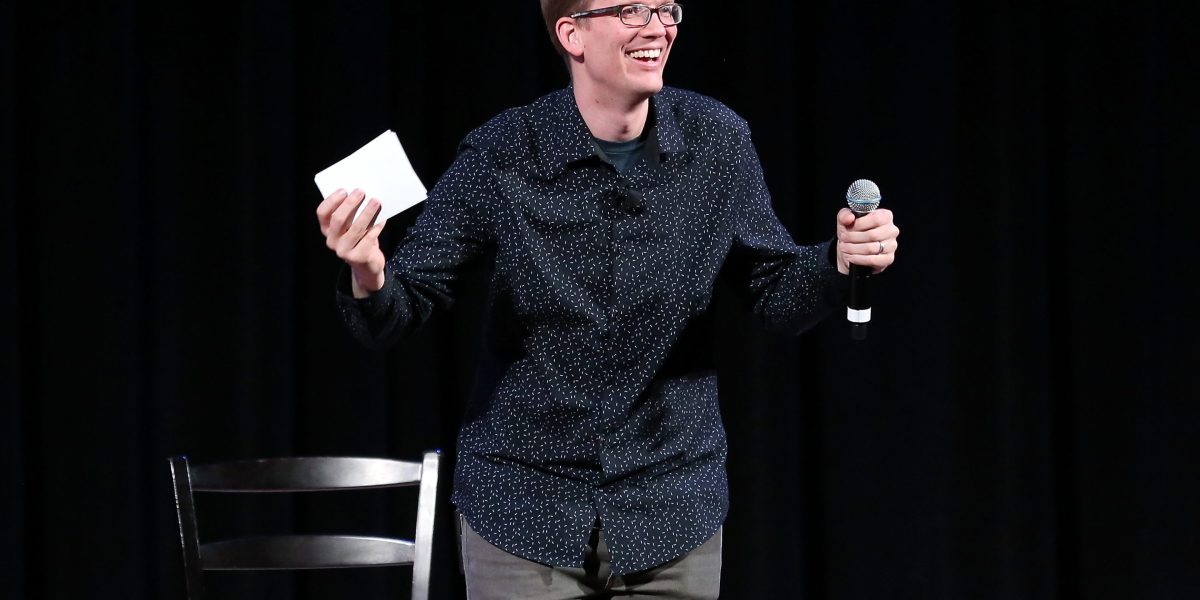
Hank Green, a YouTube creator with about 32 million subscribers, apologized after fans noticed an AI-generated phrase in a recent video, revealing he had relied heavily on ChatGPT for research.
He announced a pause on uploads to his personal channel and two word-puzzle projects to recalibrate his creative process, stating he wants to guarantee his words are his own.
His move reflects broader tensions between AI productivity tools and creative integrity that creators and platforms are beginning to confront.
What happened
Hank Green, a YouTube creator with about 32 million subscribers across his channels, apologized this week after fans spotted an AI-generated phrase in a recent video. He admitted to using ChatGPT heavily for research and announced he is pausing uploads on his personal channel (hankschannel), SMUSH, and 4×3 to reassess his creative process.
Why it matters
Green's admission reflects a broader tension between AI-powered productivity and creative integrity. He stated he had "been relying too heavily on AI as a research aid," which limited his freedom to find his own paths through topics. His decision signals that even creators with massive audiences face pressure to produce faster at the cost of their own voice—a risk the Harvard Business Review has flagged as contributing to workplace burnout and weakened decision-making.
What to watch
Green said he plans to ensure his words are verifiably his own going forward, though he stopped short of rejecting AI entirely. His stance echoes YouTube CEO Neal Mohan's stated priority in January to reduce "AI slop" and identify deepfakes in 2026, a challenge the platform is actively grappling with as audiences consume an average of more than two hours daily on social media.
Ask the AI about this article →
Hank Green's retreat from heavy AI use exposes a productivity paradox that creators and knowledge workers increasingly face. While ChatGPT and similar tools accelerate research and content generation, Green found that this speed came at the expense of his own creative discretion—he moved so fast that he lost sight of his own process. His admission aligns with research cited in the article: the Harvard Business Review warned that AI-driven productivity, while expanding output, can intensify work and trigger burnout, fatigue, and weakened decision-making.
Green's case is emblematic of a larger shift in how platforms and audiences are beginning to scrutinize AI-generated or AI-assisted content. YouTube CEO Neal Mohan identified reducing "AI slop" as a 2026 priority, and the platform itself learned this lesson when it deployed an AI feature last summer that extracted video excerpts to answer user queries. Audiences rejected it—not because the information was wrong, but because they wanted to hear directly from creators. Green's own fans expressed similar distrust when they detected what they believed was an AI-written phrase. The tension is not whether AI should exist as a tool, but whether its use should be transparent and whether it should displace the creator's own voice. Green's decision to pause and reset his process signals that he has internalized this audience expectation.
For example, today's edition would include:
AI-summarized, only the topics you pick — one digest a day via Email, Slack, or Discord.
Free · takes 30 seconds · unsubscribe anytimeWhat is AIToday? →
Ask AI anything about this article. Q&As are published on this page for other readers too.
CBTS Technology Solutions LLC launched Forge Agents, a platform that turns a plain-language job description in…

Imec CEO Patrick Vandenameele said at SEMICON Taiwan 2026 that the Belgian research center is broadening its c…
Alphabet's AI Overviews now reach over 2.5 billion monthly users through Google Search, and its ad business ge…
Visual Studio Code 1.135 now includes an experimental 'Rubber Duck' feature that lets developers request a sec…

Amazon Web Services (AWS) has integrated its fully managed data warehouse service, Amazon Redshift, with Agent…

Sonos announced a new app update with generative AI features, a new soundbar called the Beam Ultra, and its se…