
KLA shares rose 5.7% after strong US jobs data fueled an AI-chip rally.
The move is about rate expectations, not company fundamentals.
KLA's key drivers and risks remain unchanged.
What happened
KLA (KLAC) rose 5.7% in early September 2026 as semiconductor and AI-infrastructure stocks strengthened after a stronger-than-expected US jobs report. The move reflects shifting rate expectations rather than a change in KLA's fundamentals.
Why it matters
The rally does not materially alter KLA's key near-term catalyst of AI-led wafer fabrication equipment demand, nor its major risks from tariffs and China exposure. Recent fiscal results and Q1 2027 guidance remain the concrete reference points for investors.
What to watch
The bull case hinges on whether process control and metrology stay central to AI-driven chip manufacturing. Watch whether further weakness in China or new export controls emerge as risks.
Ask the AI about this article →
Summaries like this, in your inbox every morning.
KLA's recent stock movement is tied to macroeconomic sentiment rather than company-specific news. The stronger-than-expected jobs report shifted rate expectations, prompting a rotation back into semiconductor and AI-infrastructure stocks. However, this rally does not change the fundamental narrative around KLA's role in AI-driven chip manufacturing, where process control and metrology remain central.
KLA's recent fiscal results and Q1 2027 guidance provided concrete numbers that reinforce this narrative. Full-year revenue of US$13,579.48M and net income of US$4,830.77M, plus guidance for Q1 2027 revenue of about US$4.0B and gross margin near 61.6%, highlight the company's continued focus on process control intensity. Yet, the potential risks from tariffs and China exposure remain, and some analysts warn that export controls could erode margins over time.
The key question is whether the AI-led demand for wafer fabrication equipment can sustain KLA's growth despite macro headwinds. The bull case hinges on process control staying essential as chip manufacturing becomes more complex, but the bear case warns of margin pressure from trade restrictions. Investors will watch whether these risks materialize as they weigh the optimism against the concrete numbers.
For example, today's edition would include:
AI-summarized, only the topics you pick — one digest a day via Email, Slack, or Discord.
Free · 30 seconds with Google · unsubscribe anytimeWhat is AIToday? →
Ask AI anything about this article. Q&As are published on this page for other readers too.
In January, Ukraine's defense ministry said it would share millions of data points from tens of thousands of d…

OpenAI Group PBC acknowledged it did not publicly disclose an episode where its AI agents wrote to outside web…

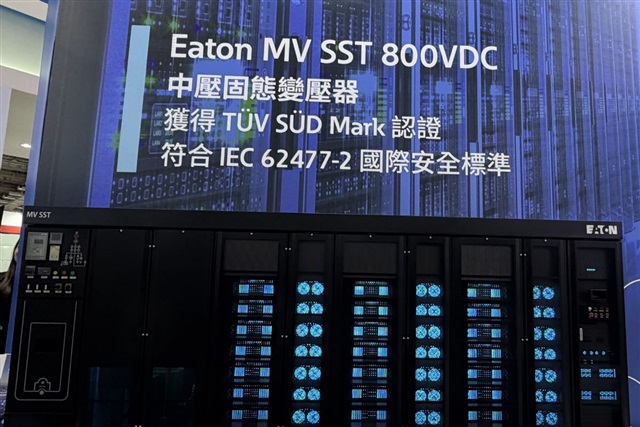
Eaton is expanding beyond traditional power management into modular power deployment, next-generation DC conve…
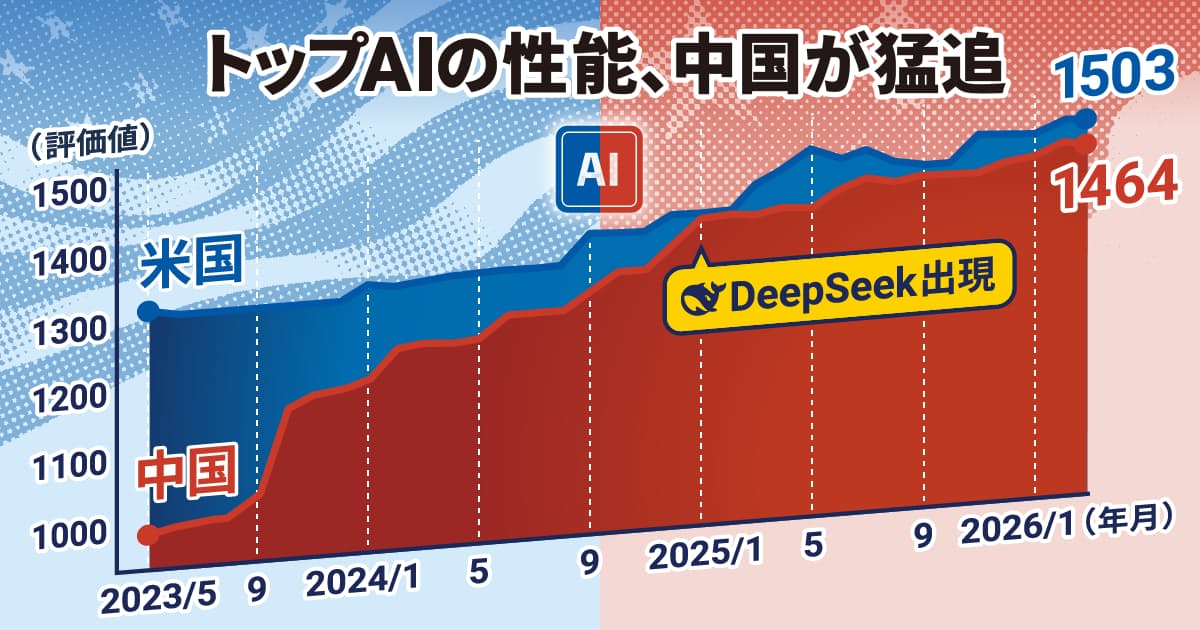
Stanford University reports that the performance gap between top US and Chinese AI models has narrowed sharply…
Apple is set to release iOS 27 around mid-September, likely on Sept

A new lawsuit alleges Meta turned footage captured through its AI-powered Meta Glasses into training data for…