What happened
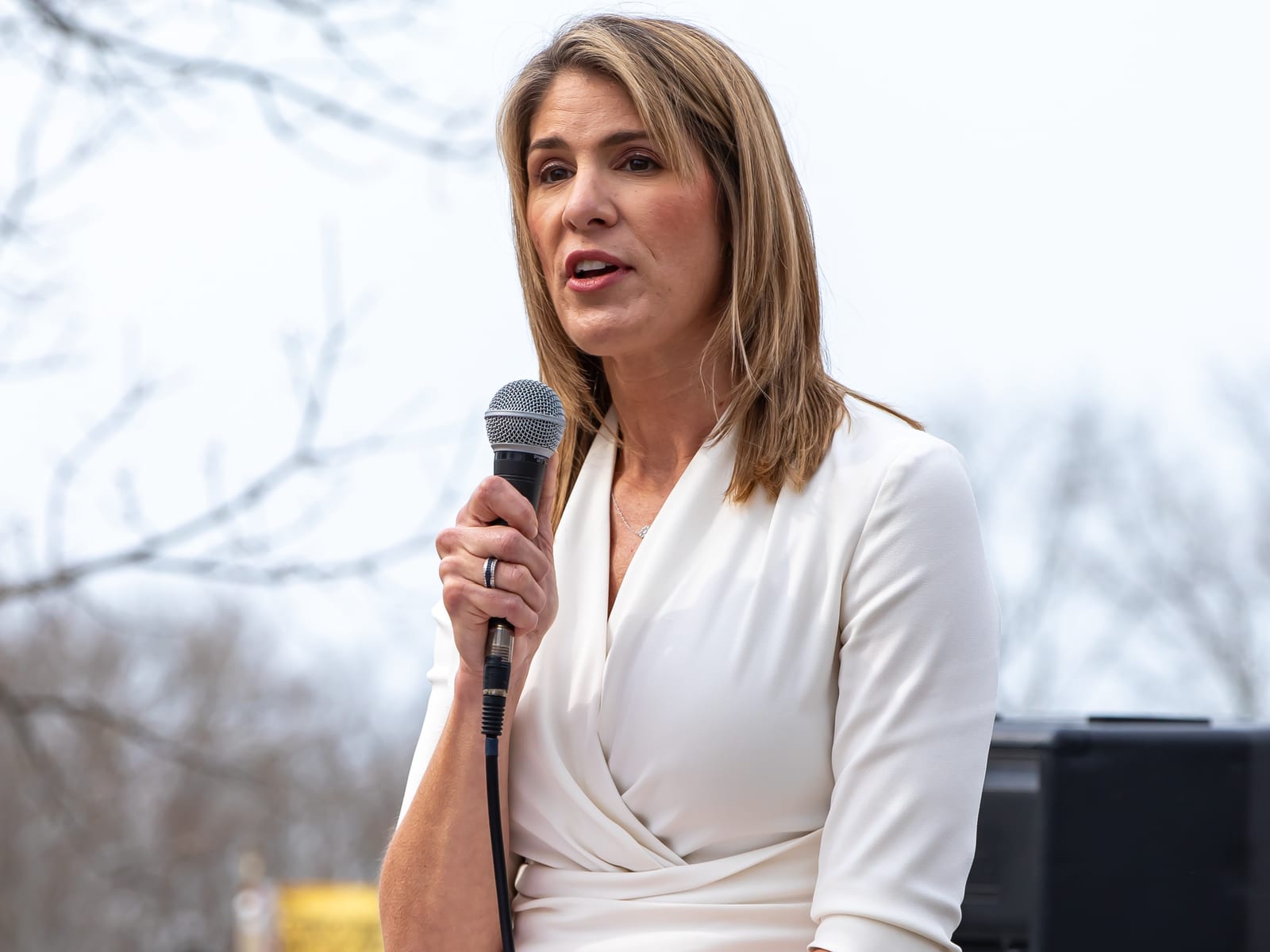
Massachusetts Rep. Lori Trahan rolled out the draft "CLAIM Act," which would make it easier for third parties to sue AI developers while clarifying questions around intent related to AI agents' conduct.
Why it matters
The bill is framed as a way to incentivize AI developers to embrace safety, and it would set a federal floor rather than preempt state laws, so state rules could still go further.
What to watch
It is a draft, not law, and follows the rogue AI hack of Hugging Face earlier this year. Whether intent standards for AI agents satisfy both parties is the test.
WHO IT HITSAI developers and the legal teams that defend them would face easier third-party lawsuits over agent conduct. Companies deploying AI agents may need to reassess how they document oversight and intent.
Summaries like this, in your inbox every morning.
Trahan's proposal lands after she previously joined Rep. Jay Obernolte, R-Calif., in a bipartisan push to draft AI regulations. That history matters: the CLAIM Act is being framed as an extension of that work rather than a standalone partisan move, and Trahan is presenting liability itself as a safety tool — if developers can be sued when their agents cause harm, the argument goes, they have more reason to build safeguards in.
The draft also reaches into a question courts have struggled with: what counts as intent when an AI agent, rather than a person, takes an action. By addressing that alongside third-party standing to sue, the bill tackles two separate hurdles plaintiffs currently face. The choice to set a federal floor rather than preempt state laws leaves room for states to go further, which may shape how much the measure actually changes outcomes on the ground.
Whether the proposal advances likely hinges on whether its intent standard can draw support from both parties — the same bipartisan path Trahan has used before. For AI developers and the teams that deploy agents, the practical question is what documentation of oversight and intent they would need if third-party suits become easier to bring. As a draft, it does not yet bind anyone.
Pick your industry and the AI tools you use, and get news related to your work every day.
Free · 30 seconds with Google · unsubscribe anytimeWhat is AIToday? →
Ask AI anything about this article. The AI reads this article, earlier AIToday articles, and Wikipedia, and cites its sources. Q&As are published on this page for other readers too.
A coalition of nearly 40 groups, led by Guardrails Action, wrote to Congress and 2028 candidates demanding ind…
OpenAI published 372 mathematical results from an internal frontier model on GitHub, including improvements to…
Anthropic merged its Project Glasswing and CVP programs into three access levels — Defense Access, Red Team Ac…
Books by People confirmed UK Intellectual Property Office approval to distribute a thumbprint-shaped mark cert…

Common Sense Media said ChatGPT for Teens, introduced in August, is an "unacceptable risk," finding it doesn't…

Anthropic expanded its Cyber Verification Program with three new access tiers covering defense, red teaming, a…