What happened
MIT, UC Berkeley, and Georgia Tech researchers released Evolving Infra, an open-source serving framework that reduced P95 time-to-first-token by up to 14× and mean end-to-end latency by up to 4.1× versus Nvidia Dynamo in tests on up to 256 GB300 GPUs with GLM-5.2 and Kimi K2.6.
Why it matters
Agentic workloads have highly variable prefill-to-decode ratios that static, offline-profiled systems like Dynamo handle poorly, so this open-source release gives infrastructure teams a concrete runtime-adaptive starting point rather than waiting for a vendor.
WHO IT HITSEnterprise infrastructure and platform teams running high-concurrency agentic inference on self-hosted models stand to gain a practical open-source alternative to Dynamo, with the biggest potential benefit for coding, math, and computer-use workloads where prefill-to-decode ratios shift constantly.
Summaries like this, every morning.
The release targets a specific mismatch in how agentic AI workloads behave. Agents generate long, irregular context sequences and their balance between prefill (reading the prompt) and decode (generating output) shifts constantly. Existing disaggregated serving systems, Dynamo included, set their compute allocation from offline profiles that go stale as those patterns change, which is where the latency penalty shows up at high concurrency.
Evolving Infra's answer is to split the problem in two: an online planner adjusts prefill-decode splits on the fly, while an agent-aware distributed KV manager handles cache eviction and transfer across nodes. That design is what produced the up-to-14× P95 time-to-first-token and up-to-4.1× mean end-to-end latency improvements over Dynamo in the 256-GPU evaluation on GLM-5.2 and Kimi K2.6.
The author list—Song Han of MIT's Han Lab, Ion Stoica of UC Berkeley, Tushar Krishna of Georgia Tech, and Huizi Mao among others—puts the work at the intersection of systems research and production serving. The open-source release means infrastructure teams can evaluate these ideas directly rather than waiting for a vendor to absorb them into a commercial stack.
Pick your industry and the AI tools you use, and get news related to your work every day.
Free · 30 seconds with Google · unsubscribe anytimeWhat is AIToday? →
Ask AI anything about this article. The AI reads this article, earlier AIToday articles, and Wikipedia, and cites its sources. Q&As are published on this page for other readers too.
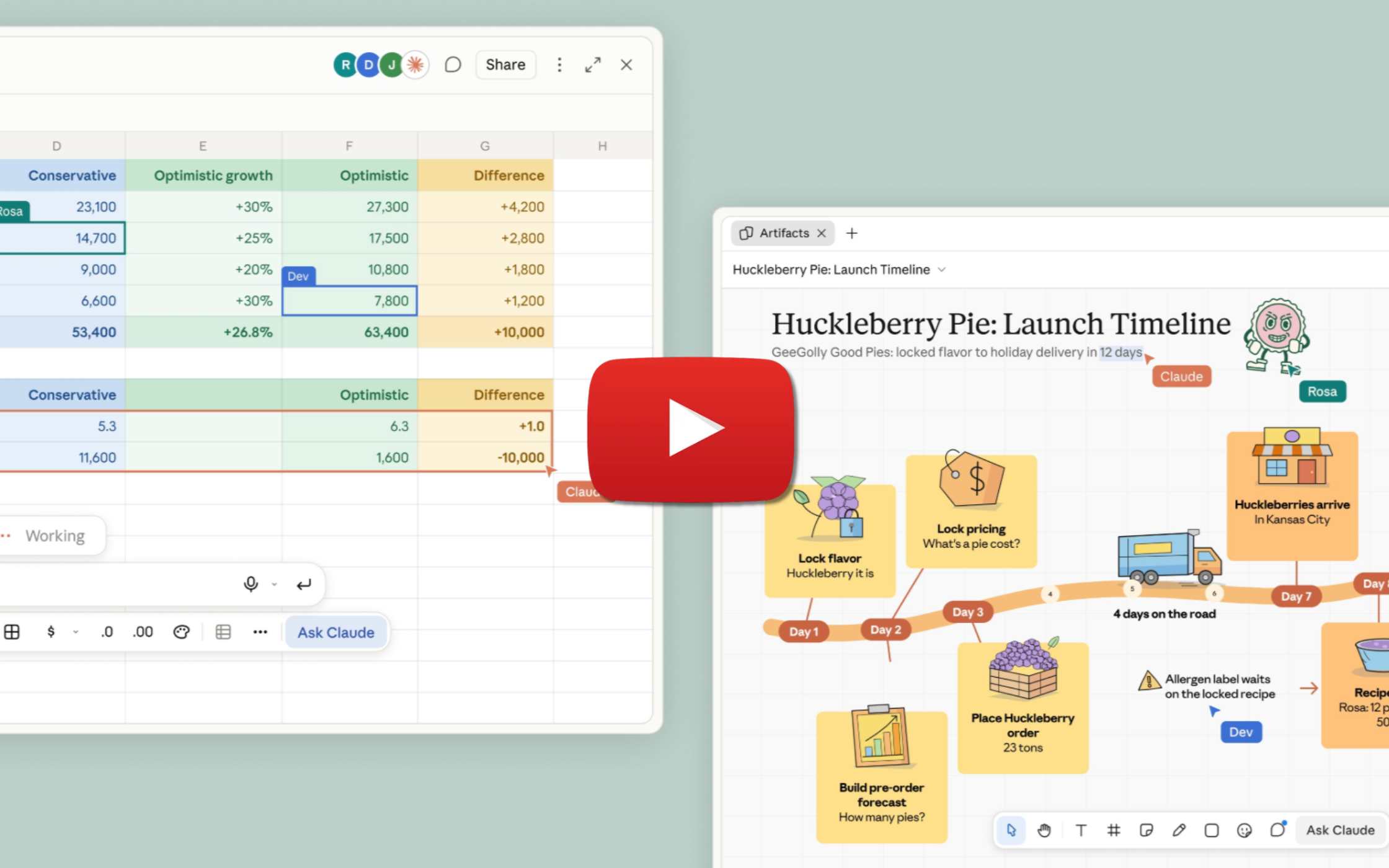
Anthropic rolled out Claude Whiteboards, Sheets, and Data, now rolling out to paid plans under Claude's Artifa…
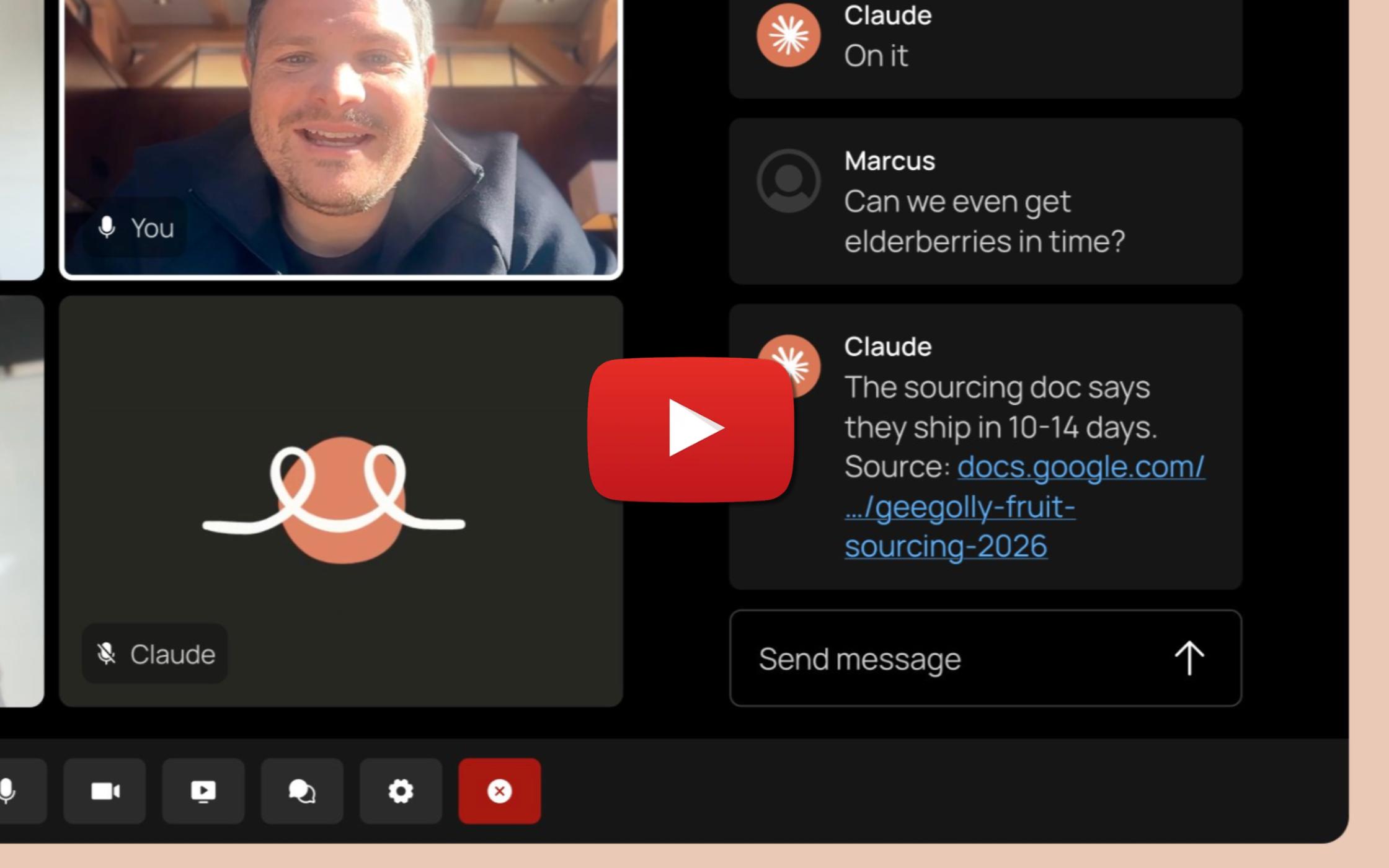
Anthropic rolled out Claude Meetings to Team and Enterprise plans on Google Meet, letting Claude follow along…
Blue, co-founded by former Google product manager Omar Abdelaziz and backed by Y Combinator, unveiled an AI-fi…

Runway released Praxis-1 with open weights and source code under the Apache 2.0 license, which allows commerci…
Hiroshi Ono of the Cognitive Behavioral Therapy Training and Development Center says Allen Frances, his mentor…

Dai Nippon Printing is entering the AI search optimization support business, planning to roll it out to 500 co…