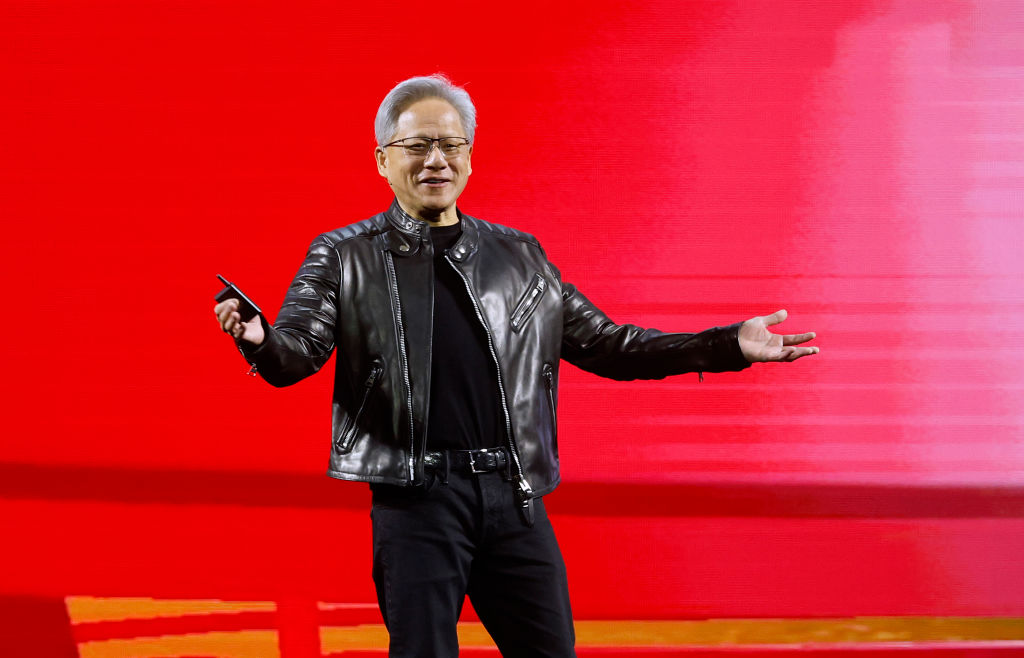
Huang stated that AI is an industrial-scale generator of jobs and 'the United States' best opportunity to re-industrialize' itself, citing the need for workers in hardware factories and the broader AI industry.
Huang argued that automating a discrete task within a role does not mean an entire job will be replaced, reasoning that 'the purpose of a job and the task of a job are related' but not ultimately the same.
Huang expressed concern that 'science fiction stories' about AI dominating humanity or wiping out sectors of the economy could make people afraid of AI and unwilling to engage with it.
Reputable financial and academic organizations have suggested that as much as 15% of jobs in the U.S. will be eliminated over the next several years as a result of AI.
Ask the AI about this article →
For example, today's edition would include:
AI-summarized, only the topics you pick — one digest a day via Email, Slack, or Discord.
Free · takes 30 seconds · unsubscribe anytimeWhat is AIToday? →
Ask AI anything about this article. Q&As are published on this page for other readers too.
At the Semicon Network Summit ahead of SEMICON Taiwan 2026, President Ching-Te Lai said Nvidia invests and pro…

Gradiant announced a new contract to deliver a full turnkey water and wastewater package for a hyperscale AI d…

SK Hynix holds ~55% of the High Bandwidth Memory (HBM) market and is the leading memory supplier for AI hardwa…

Saudi Arabia's LEAP tech conference opened with $15 billion in planned technology investments

NTT group has started offering a cloud service for physical AI, aimed at supporting the development of robots…
Pangram, a 24-person AI detection startup based above a Popeyes in Brooklyn, has raised $13 million and emerge…