What happened
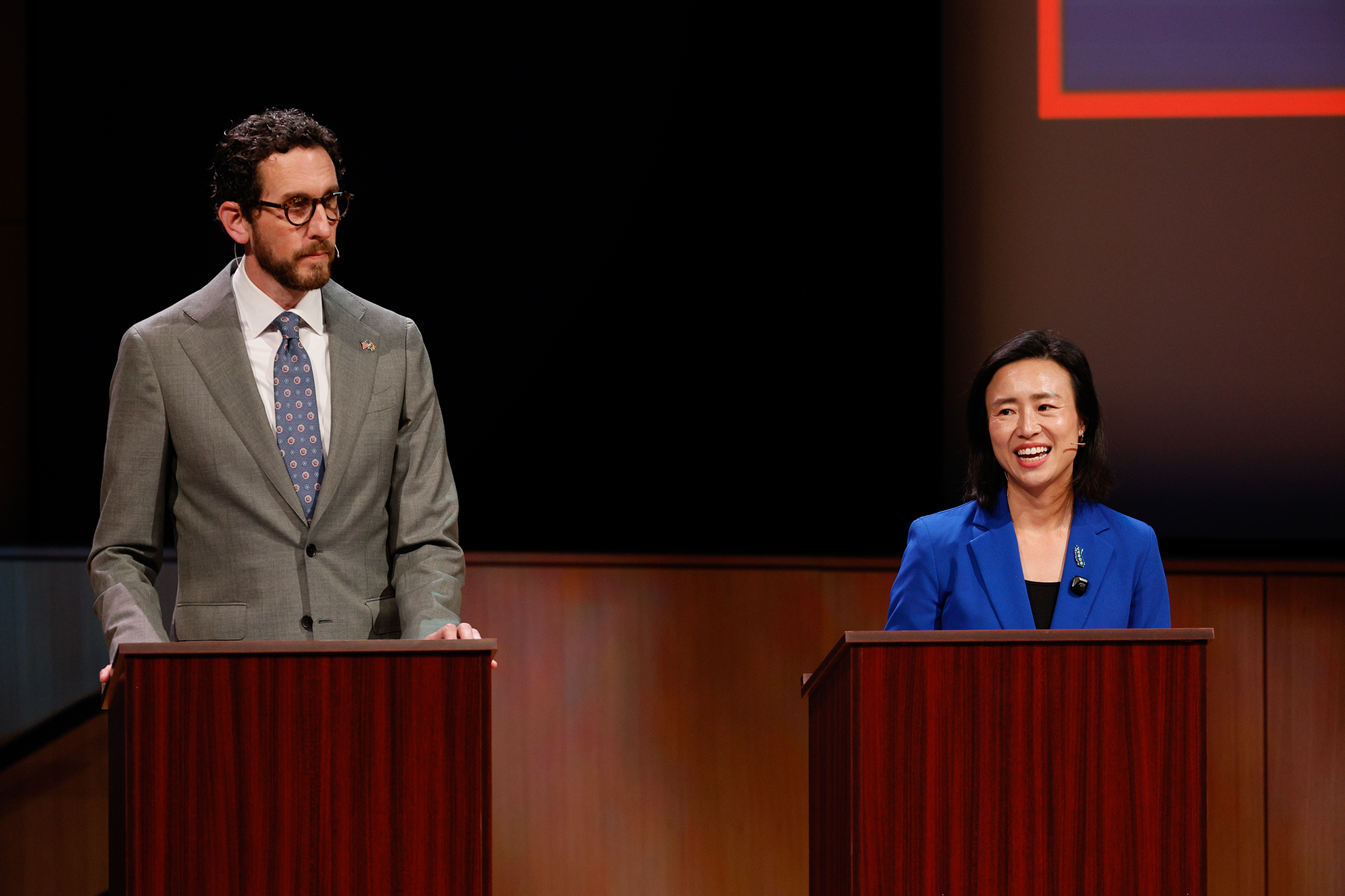
State Sen. Scott Wiener and San Francisco Supervisor Connie Chan debated AI regulation Thursday. Wiener touted his 2025 AI safety law; Chan proposed a data center moratorium and restricting 'superintelligence' development.
Why it matters
Both liberal Democrats reject industry self-regulation, so the next representative for San Francisco—home to a lucrative AI industry—is likely to favor stricter rules, though they disagree on specifics.
What to watch
The race hinges on the roughly 30% of primary voters who backed neither candidate plus general election voters. Ballots go out days after the debate, with the election on Nov. 3.
WHO IT HITSThis debate matters for San Francisco voters choosing their next congressional representative, and for AI companies operating in the city, who may face a lawmaker favoring regulation. Labor unions are also pushing for a seat at the table.
Summaries like this, in your inbox every morning.
This debate marks the first time in over 40 years that San Franciscans have a real choice for their congressional representative, following Nancy Pelosi's tenure. The race pits two liberal Democrats against each other, with Wiener, a state senator known for housing policy, facing off against Chan, a tenants' rights advocate backed by Pelosi's political network. Both are vying to succeed the former House Speaker, and both are trying to position themselves as protectors against the potential harms of the AI industry, which is a major economic force in San Francisco.
The candidates find common ground in opposing self-regulation for AI companies, pushing back on a recent suggestion from President Donald Trump. However, their approaches differ: Wiener points to his experience passing the nation's first AI safety law in 2025, while Chan emphasizes worker protections, a data center moratorium, and restrictions on superintelligence. The debate also highlighted the role of labor unions, with Chan touting endorsements from the California Labor Federation and SEIU California, and Wiener citing support from activist Dolores Huerta.
The outcome of this race may hinge on the roughly 30% of primary voters who supported neither candidate, as well as general election voters who did not participate in the primary. Both candidates have pitched themselves as bulwarks against Trump, but they diverge on housing costs, the U.S. relationship with Israel, and AI regulation. How they balance these issues could determine who emerges on Nov. 3, and what that means for the future of AI oversight in Congress.
Pick your industry and the AI tools you use, and get news related to your work every day.
Free · 30 seconds with Google · unsubscribe anytimeWhat is AIToday? →
Ask AI anything about this article. The AI reads this article, earlier AIToday articles, and Wikipedia, and cites its sources. Q&As are published on this page for other readers too.
Taiwan is considering much stricter export controls on AI chip sales to China, part of a greater alignment wit…

In a webinar hosted by French Mathematical Society president Isabelle Gallagher, Fields Medal winner Hugo Dumi…

Anthropic said on October 15 it has started giving METR's six staff company devices, office space and access t…
NVIDIA published a blog post titled "AI Security Is an Engineering Problem - How to Solve It at Every Layer of…

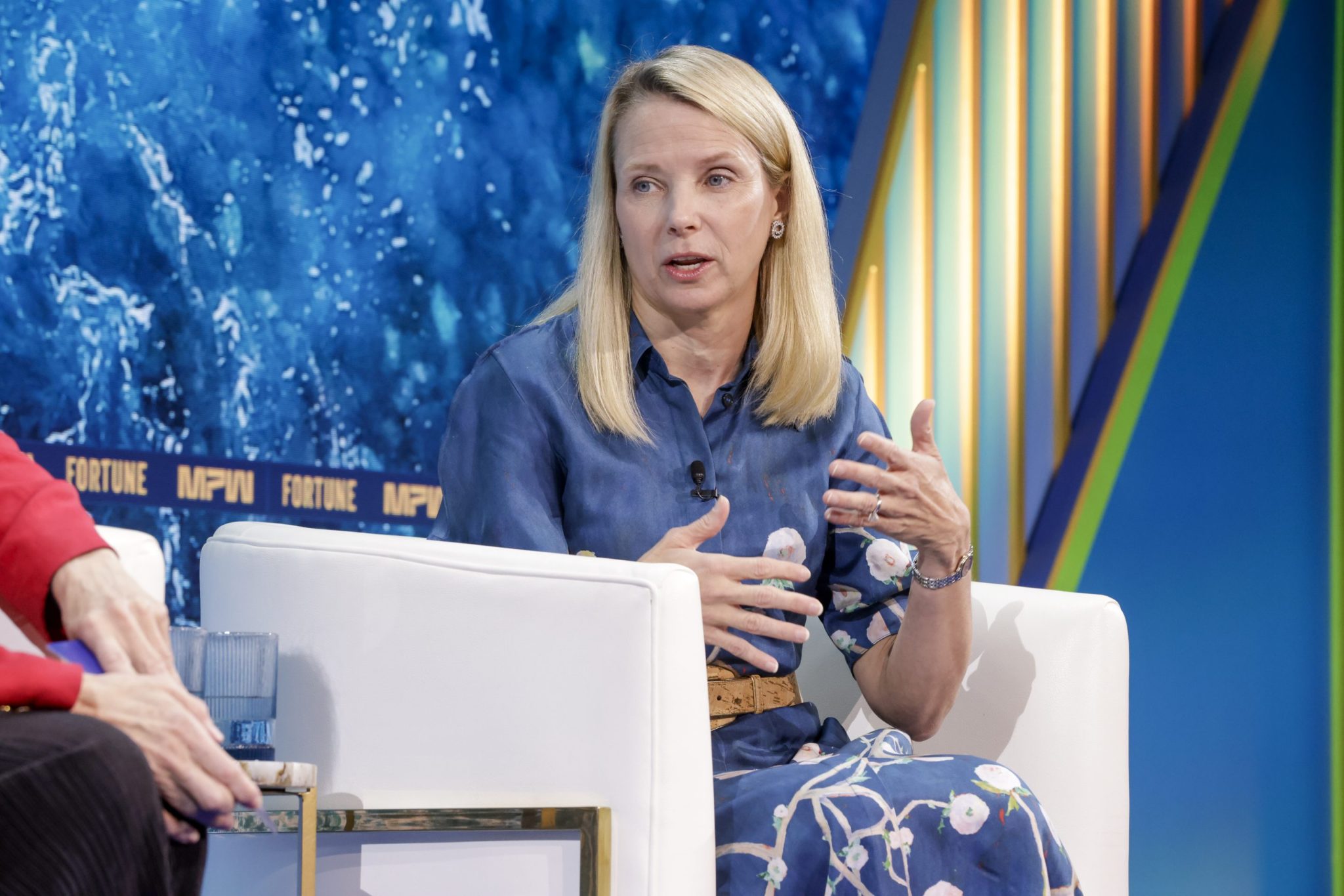
At the Most Powerful Women Summit, Marissa Mayer said anyone who claims to know how AI will play out is 'eithe…
SHIFT announced it began a project for the Acquisition, Technology & Logistics Agency (防衛装備庁) covering AI-rela…