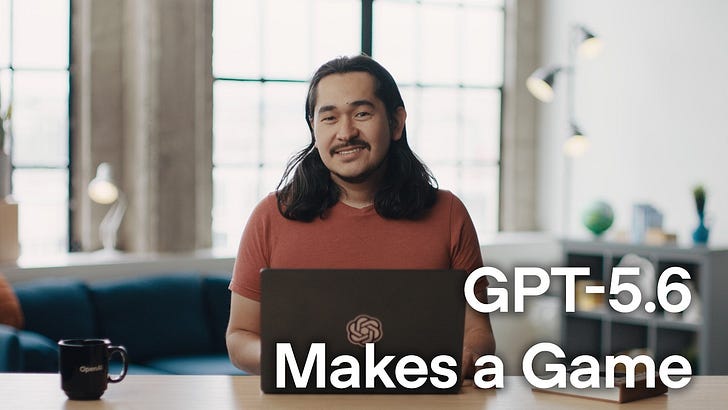
What happened
OpenAI unveiled three new models—GPT-5.6 Sol, Terra, and Luna—available across ChatGPT, Codex, and the API. The company simultaneously launched ChatGPT Work, a new desktop app merging Codex and ChatGPT, along with Sites beta, programmatic tool calling, and multi-agent features in the Responses API.
Why it matters
GPT-5.6 Sol delivers higher performance than Claude Fable 5 at roughly one-quarter the estimated cost and beats Claude Opus 4.8 in roughly one-third of the time with about half as many output tokens. Terra and Luna offer cheaper tiers with comparable or superior performance to existing flagship models. For businesses, this price-per-task economics reshapes the cost equation for AI-powered workflows.
What to watch
API pricing is tiered—Sol at $5 / $30 per million input/output tokens, Terra at $2.5 / $15, and Luna at $1 / $6, with 90% cache-read discount retained and new cache-write pricing added. Sol also scores 80 on the Coding Agent Index, leading Fable 5 and Opus 4.8, and is the first verified frontier model to beat an ARC-AGI-3 game.
Summaries like this, in your inbox every morning.
OpenAI's GPT-5.6 launch signals a deliberate shift in strategy away from raw capability alone toward what the company frames as a price-performance ladder. The three-tier structure—Sol as the flagship, Terra as a cost-optimized alternative to GPT-5.5, and Luna as the fastest and cheapest option—responds to customer demand for models matched to specific task economics rather than a single best-in-class product. This mirrors how the broader AI market has begun fragmenting into use-case-driven tiers rather than a single frontier.
The technical foundation for this price-performance story rests on inference orchestration rather than raw parameter count. OpenAI's emphasis on parallel agents, programmatic tool calling, multi-agent features in the Responses API, and adaptive reasoning suggests that efficiency gains come from better task decomposition and execution strategy, not just larger models. Independent evaluators broadly confirmed the competitive positioning: Artificial Analysis reported Sol scores 59 on its Intelligence Index (1 point below Claude Fable 5's max but at one-third the cost per task), while Vals AI ranked GPT-5.6 #2 on its Index, noting Sol leads on specific workloads like coding (80 on Coding Agent Index) and legal research. The trade-off is real—Artificial Analysis noted Terra and Luna do not define a new Pareto frontier of intelligence versus output tokens—but for cost-conscious deployments, the efficiency-capability mix appears sufficient.
The bundling of ChatGPT Work (the Codex-ChatGPT merger) and expanded multi-agent capabilities in the API suggests OpenAI views agent-orchestrated workflows as the next growth lever. Sam Altman called GPT-5.6 "obviously the best model we have ever produced," while Greg Brockman emphasized the goal as "the best price for any level of target performance" and the highest possible ceiling. This framing—combining frontier capability with radical cost reductions—positions the company to defend market share against both specialist models (like open-weights alternatives) and larger competitors while capturing new use cases where cost-per-task had been prohibitive.
Pick your industry and the AI tools you use, and get news related to your work every day.
Free · 30 seconds with Google · unsubscribe anytimeWhat is AIToday? →
Ask AI anything about this article. The AI reads this article, earlier AIToday articles, and Wikipedia, and cites its sources. Q&As are published on this page for other readers too.
In Q2, billionaires or their funds sold six 'Magnificent Seven' AI stocks
Nvidia was rising early Friday, even as the wider chip sector kept falling, Barron's reported
ElevenLabs completed a $300 million employee tender at a $22 billion valuation, and co-founder Mati Staniszews…
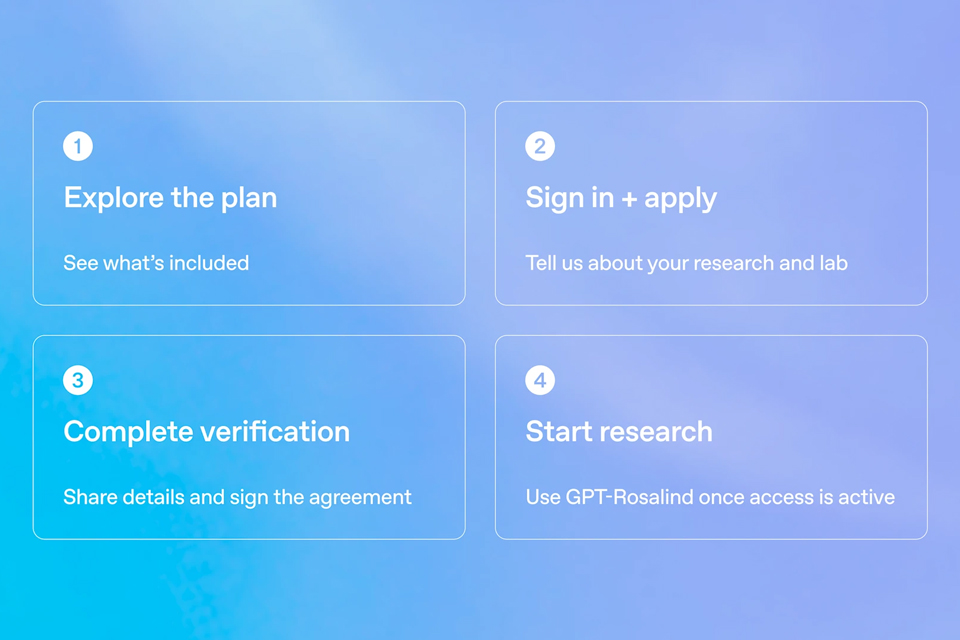
On October 15, OpenAI announced the Rosalind Academic Plan, giving approved US university labs free access to…
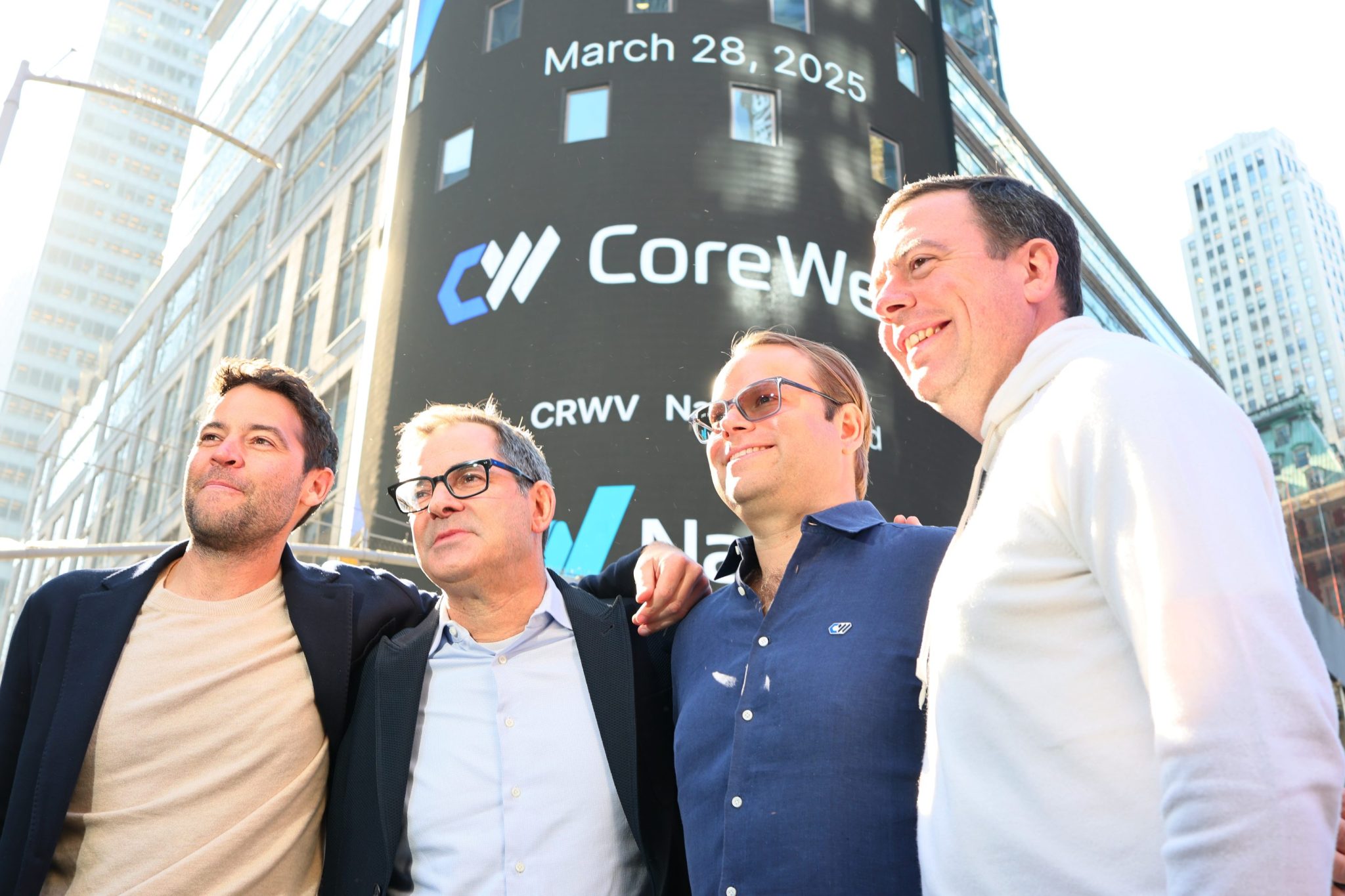
Neostellar Capital principal Evan Schlossman said CoreWeave's $103.7 billion in remaining performance obligati…
A Qiita article compared automated red-teaming methods for LLM apps — GCG, PAIR, and TAP — using mock implemen…


