Jon Seager, VP of engineering at Canonical, shared a blog post on Monday detailing plans to add AI features to Ubuntu over the next year. The features will come in two forms: as a means of enhancing existing OS functionality with AI models in the background, and as 'AI native' features and workflows for those who want them.
The AI features will range from accessibility tools like improved speech-to-text and text-to-speech to agentic AI features (AI that performs tasks like troubleshooting or personal automation) for tasks like troubleshooting or personal automation. Canonical is prioritizing model transparency and local inference (where AI processing happens on the user's device rather than remotely) when adding these features.
Seager stated that AI features could potentially help new users navigate the 'famously fragmented' Linux desktop ecosystem by demystifying the capabilities of a modern Linux workstation. Canonical notes that 'Ubuntu is not becoming an AI product,' emphasizing the features are additive rather than transformative to the core OS.
Summaries like this, in your inbox every morning.
Pick your industry and the AI tools you use, and get news related to your work every day.
Free · 30 seconds with Google · unsubscribe anytimeWhat is AIToday? →
Ask AI anything about this article. The AI reads this article, earlier AIToday articles, and Wikipedia, and cites its sources. Q&As are published on this page for other readers too.
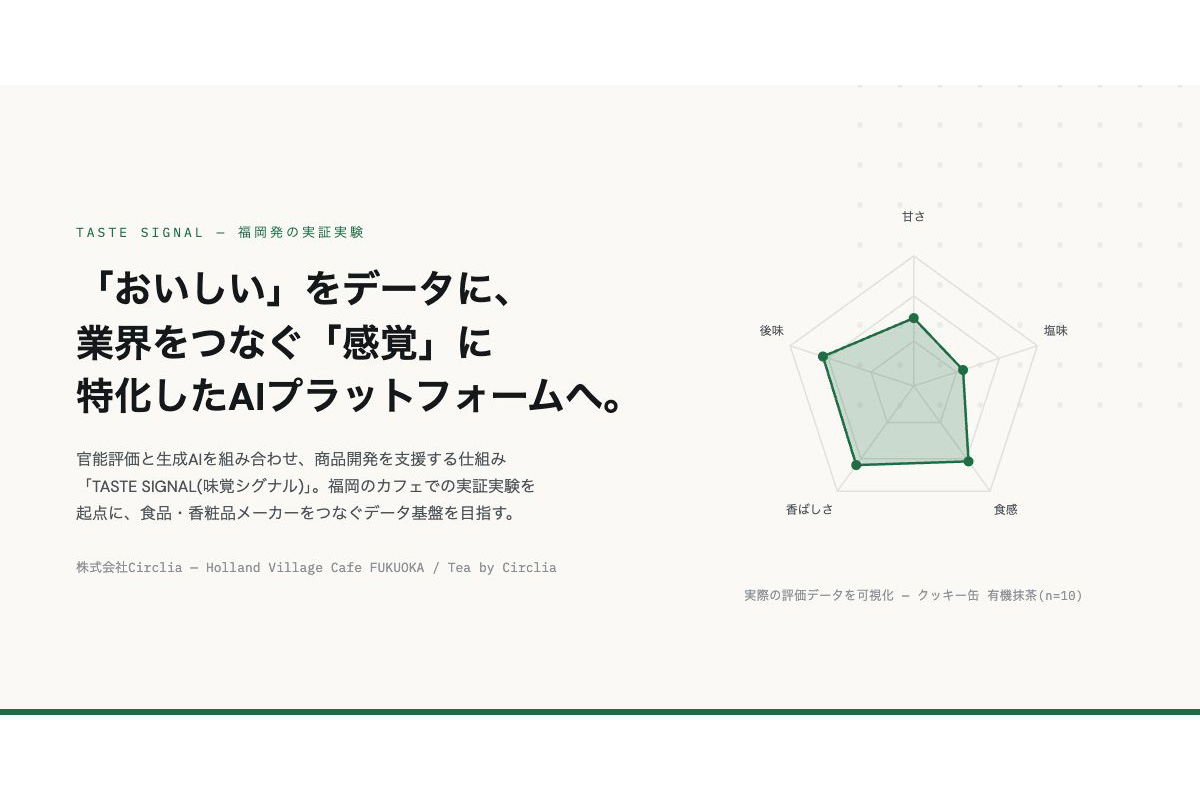
Circlia started a proof-of-concept for TASTE SIGNAL: visitors to Holland Village Cafe FUKUOKA taste cookies an…
In a webinar hosted by French Mathematical Society president Isabelle Gallagher, Fields Medal winner Hugo Dumi…

NVIDIA released Nemotron 3.5 Super VL, an open-weight model with 120 billion parameters that handles text, ima…
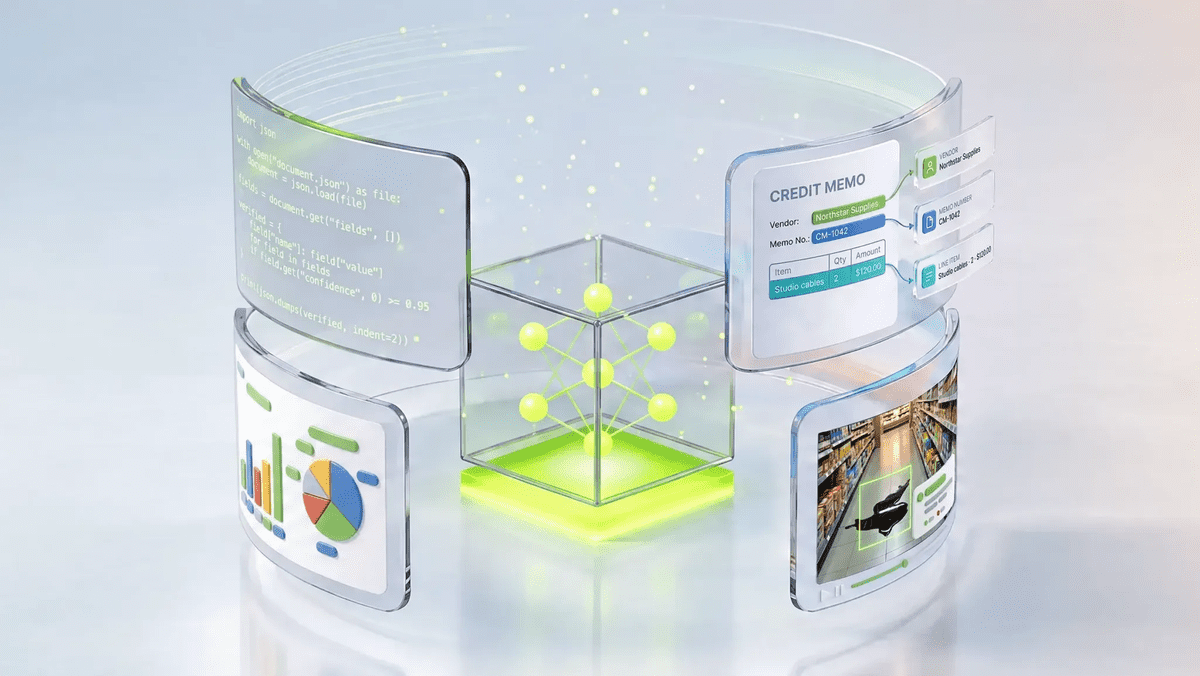
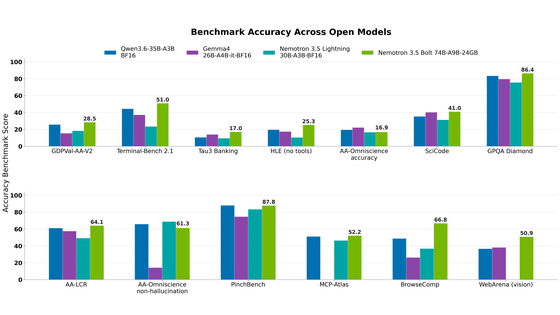
NVIDIA released Nemotron 3.5 Bolt 74B-A9B 24GB, an AI model for local agents that hits over 80 tokens per seco…
NVIDIA published a blog post titled "AI Security Is an Engineering Problem - How to Solve It at Every Layer of…

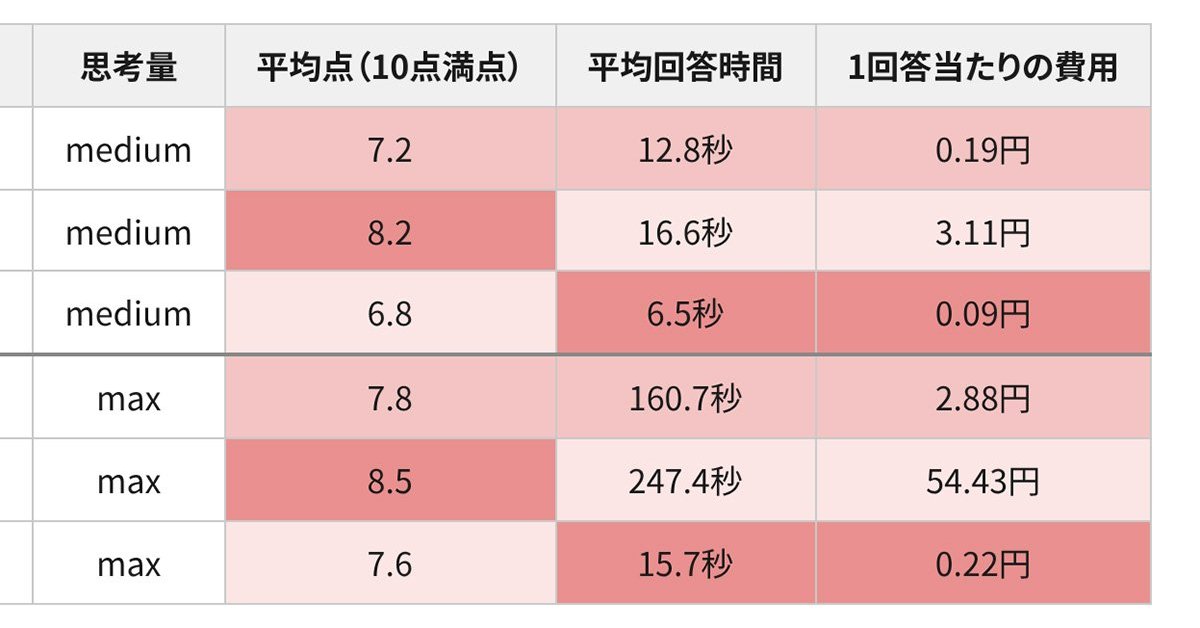
In the test, Haiku 5.5 on medium setting averaged scores close to Sonnet 5.5 on routine documents at about 1/1…