What happened
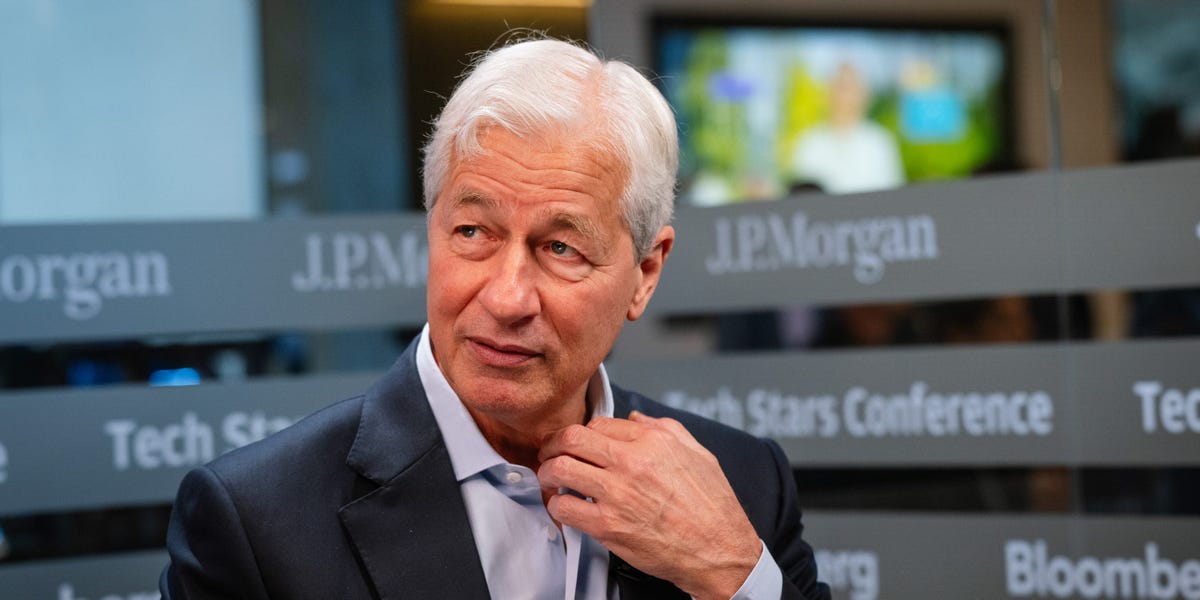
JPMorgan's AI chief Teresa Heitsenrether announced her retirement after four decades, triggering a restructuring of the firm's chief data and analytics office. Scot Baldry, the Chief Technology Officer, is taking on the expanded role of Chief Data and Analytics Officer, while Manoj Sindhwani assumes responsibility for the bank's data and AI product team. The head of AI research position went to Sumitra Ganesh in February, following Manuela Veloso's departure after eight years.
Why it matters
The reshuffle reflects JPMorgan's strategic shift from building AI infrastructure to delivering business results. CEO Jamie Dimon noted the bank already has more than 1,000 AI use cases in operation. With a nearly $20 billion annual technology budget and over 65,000 technologists, JPMorgan is consolidating AI governance under a single Chief Data and Analytics Officer to ensure consistent strategy across business lines while maintaining security and regulatory compliance.
What to watch
Baldry's expanded remit will focus on AI and data strategy, governance, commercialization, and engagement with policymakers and regulators. The bank's AI research team, now led by Ganesh, is the largest among the 50 banks tracked by intelligence platform Evident AI as of April, signaling JPMorgan's continued investment in foundational research alongside operational deployment.
Summaries like this, in your inbox every morning.
JPMorgan's leadership restructuring signals a maturation of its AI strategy from experimental infrastructure to enterprise-scale deployment. The bank has spent the past several years building foundational capabilities—Manuela Veloso established the AI research team in 2018, and the firm has accumulated more than an exabyte of data across its operations. Now, with CEO Jamie Dimon confirming over 1,000 AI use cases already in production, JPMorgan is reorganizing to operationalize these initiatives at speed. Consolidating the Chief Data and Analytics Officer role under Scot Baldry, who reports directly to Lori Beer (the global CIO), centralizes authority while keeping AI governance aligned with the broader technology strategy. This moves AI from an exploratory function toward integrated business execution.
The departures of Heitsenrether and Gerard Francis (formerly chief product officer of data and AI), combined with the arrival of Sindhwani from Amazon and the promotion of Ganesh, point to a shift in talent priorities. The bank is seeking leaders with operational experience at scale—Sindhwani brings a decade of platform experience from Amazon, while Ganesh's research focus on multi-agent systems reflects JPMorgan's interest in advanced AI applications within financial services. The firm's nearly $20 billion annual technology budget and 65,000-person engineering workforce provide the scale to support this ambition, and the fact that JPMorgan's AI research team ranks largest among 50 tracked banks signals continued investment in foundational research even as delivery accelerates.
Pick your industry and the AI tools you use, and get news related to your work every day.
Free · 30 seconds with Google · unsubscribe anytimeWhat is AIToday? →
Ask AI anything about this article. The AI reads this article, earlier AIToday articles, and Wikipedia, and cites its sources. Q&As are published on this page for other readers too.
Holtek Semiconductor unveiled its 2026 product roadmap on October 15, focusing on four core areas: smart prote…
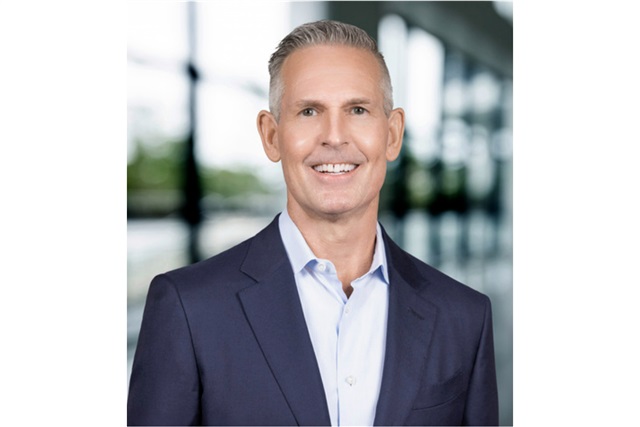
Supermicro Computer appointed Mark Long as chief financial officer, bringing an experienced technology finance…
TSMC reported about NT$763.1b in Q3 net profit and confirmed that demand for advanced processors is running ah…

Nvidia-backed CoreWeave steadied Thursday after a sharp slump, as investors worried about the debt financing b…
TOPPAN Holdings and Keio University ran a quantum-computer and generative-AI proof-of-concept from February 1…

Weathernews said on October 15 it implemented its own AI weather-forecasting model, AI-Nowcast, in its Weather…