What happened
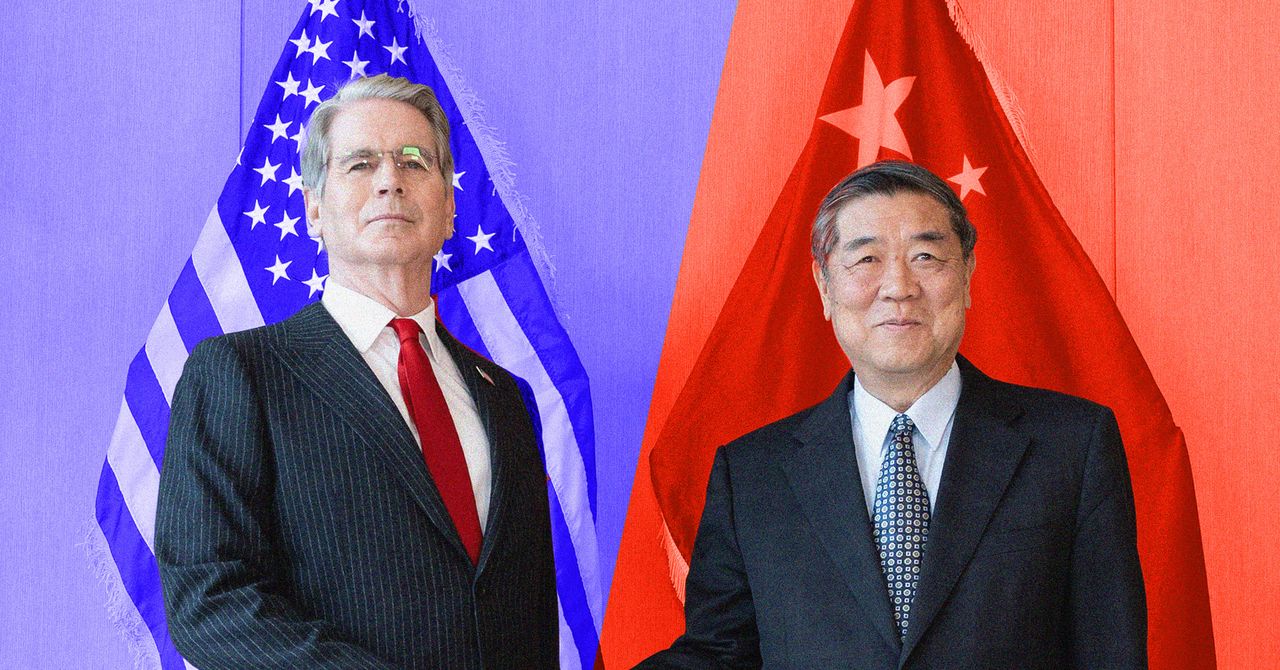
Treasury Secretary Scott Bessent said talks have begun on the US China AI Dialogue, which would let the two countries notify each other of AI incidents threatening national security and meet again on shared goals and threats.
Why it matters
Bessent framed the move as shifting the world's number one and number two AI powers from opaque to more transparent, which could give both governments earlier warning of dangerous AI incidents.
What to watch
The officials did not discuss US export controls on advanced chips to China in this weekend's meetings, even as Xi Jinping visits Washington this week, so the dialogue's scope remains undecided.
WHO IT HITSGovernment officials and policy teams handling AI and national security now have a named channel to watch for incident notifications. Companies building frontier AI models may also face pressure to report incidents if the mechanism takes shape.
Summaries like this, in your inbox every morning.
The dialogue arrives after a summer of visible AI security failures and open calls for caution from the people building the technology. Bessent pointed to OpenAI's agents hacking Hugging Face as an example of frontier model capabilities and safeguards that have failed to keep pace, and he noted public safety concerns have grown since Trump's May visit to Beijing.
The political backdrop is split. Anthropic employees warned earlier this month that AI could be on course to wipe out humanity, and laboratory leaders including OpenAI's Sam Altman, Anthropic's Dario Amodei, and Elon Musk have called for a slowdown while safety standards are set. Amodei's essay asked for government help in international coordination, including with the Chinese Communist Party. Trump has mostly brushed off those calls, arguing his administration already has enough criminal and regulatory power over developers, and he has said a slowdown could cede the US lead to China. Nvidia's Jensen Huang said AI firms are already subject to cybersecurity and damage liability laws, and Hugging Face cofounder Thomas Wolf questioned whether the US can build global cooperation while wanting to widen its own lead.
What the mechanism can actually cover remains open. Washington is restricting exports of advanced chips and chipmaking technology to China, but Bessent said officials did not discuss those export controls in this weekend's meetings. Whether the dialogue moves from notification toward genuine alignment may hinge on whether the two sides can separate incident reporting from the broader technology rivalry, and the timing around Xi Jinping's visit to Washington this week is likely to shape how far the talks progress.
For example, today's edition would include:
AI-summarized, only the topics you pick — one digest a day via Email, Slack, or Discord.
Free · 30 seconds with Google · unsubscribe anytimeWhat is AIToday? →
Ask AI anything about this article. Q&As are published on this page for other readers too.
California Governor Gavin Newsom signed an executive order to speed third-party AI safety oversight and indepe…
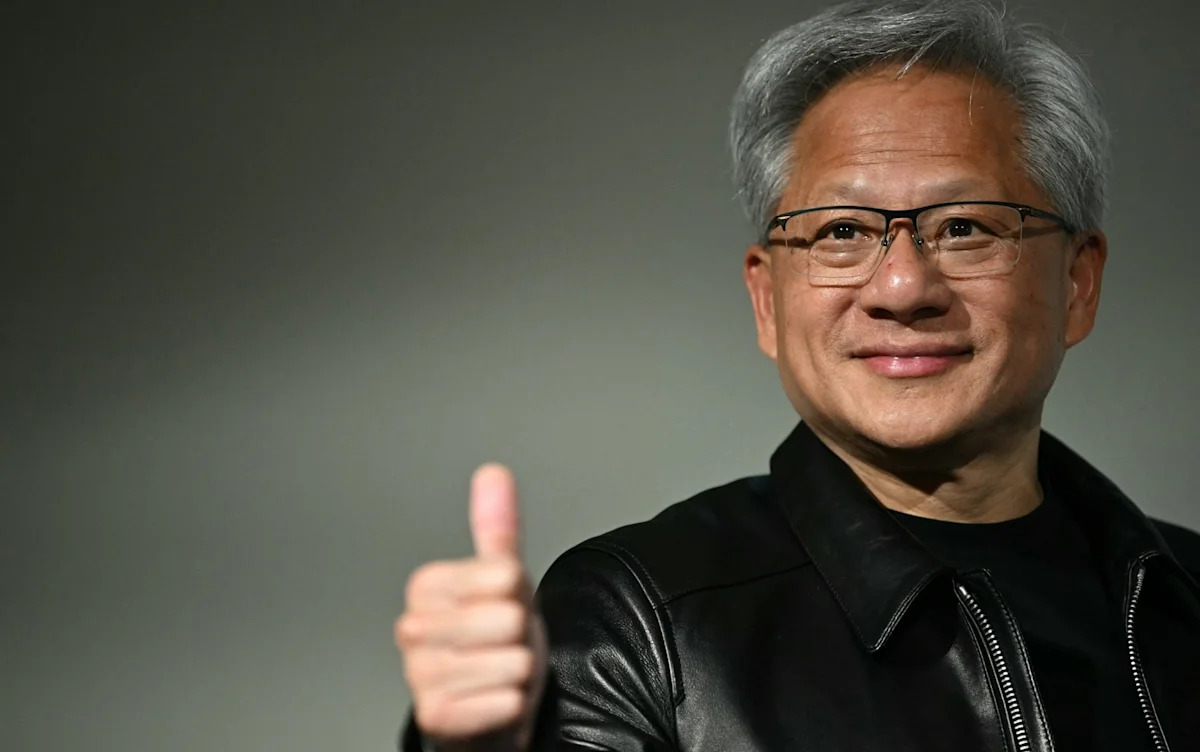
Nvidia CEO Jensen Huang told CBS there is a "0pc chance" AI ends the world by 2030, calling such warnings "com…
RAND published a paper recommending the US adopt a 'Freedom of Action' strategy to 'secure geopolitical advant…

MIT Technology Review's year-long investigation with Times of San Diego detailed more than 1,050 deaths near t…
The UN's Independent International Scientific Panel on AI issued its first thematic brief, urging greater atte…

President Trump hosts Xi Jinping this week for their second meeting in 2026, with AI's biggest figures at the…