What happened
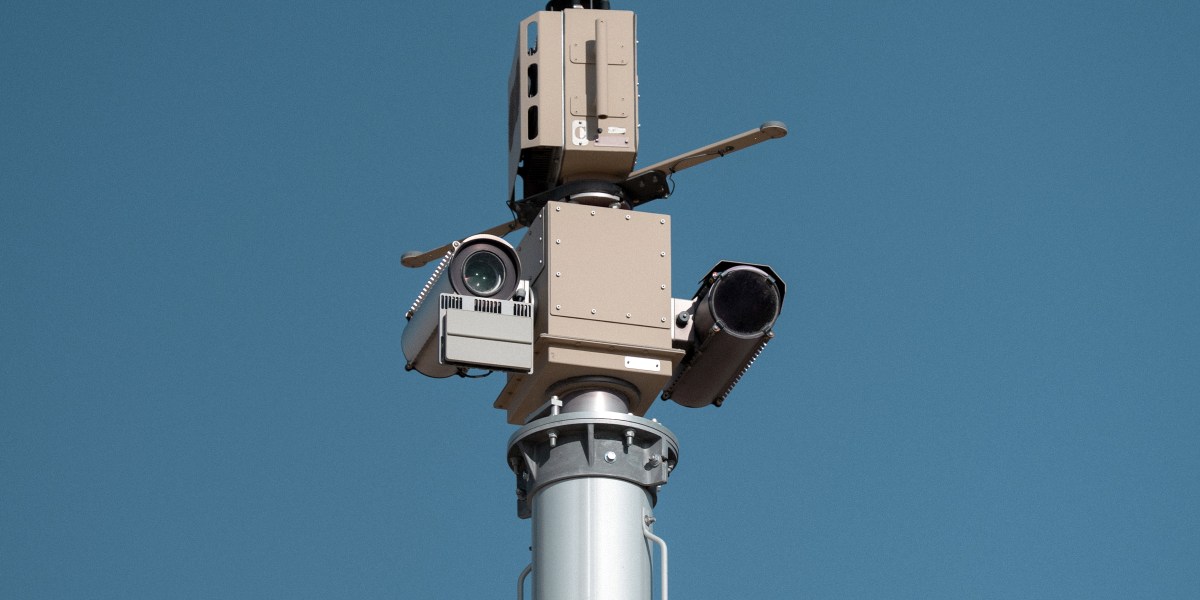
MIT Technology Review's year-long investigation with Times of San Diego detailed more than 1,050 deaths near towers, including cases where people walked undetected past AI-enabled towers built by Anduril and died nearby.
Why it matters
The findings suggest the network misses people and alerts may go unanswered, with deaths going unnoticed for weeks or months.
What to watch
US Customs and Border Protection has never audited tower effectiveness, and the new recommendations hinge on whether it adopts audits, better death tracking, and footage preservation.
WHO IT HITSUS Customs and Border Protection officials and Border Patrol agents, whose surveillance network is the focus; Anduril, the defense company that built the latest towers and continues to win contracts; and families of migrants who died near towers, who may request preserved footage if reviews are opened.
Summaries like this, in your inbox every morning.
The investigation grew out of a year-long collaboration between MIT Technology Review and Times of San Diego, examining how the virtual wall performs when it matters most. The newsrooms found cases where people walked undetected through areas monitored by advanced, AI-enabled towers and later died nearby, with bodies remaining unnoticed for weeks or months. The failures were systemic: broken towers, algorithms that missed people, and agents who did not respond to alerts.
What makes the findings pointed is the timing. The towers built by the defense company Anduril are the newest additions to the network, and Anduril continues to win major contracts while federal money for border security is set to expand. Yet the investigation shows that, despite poring over thousands of pages of records, the public still has only a limited picture of how many towers stand and where. That gap matters because the tally of more than 1,050 deaths near towers is itself an undercount, and no one has a complete view of where along the border the problem is worst.
The article proposes four fixes: a comprehensive audit of deaths near the virtual wall, an overhaul of how migrant deaths are tracked, better logging of technology-assisted apprehensions, and investigations into whether deaths occurred within surveillance range. Each hinges on CBP acting on information it largely already collects. Whether the agency adopts any of them is likely to shape how much families and investigators can learn about what the cameras saw, and whether anyone came.
For example, today's edition would include:
AI-summarized, only the topics you pick — one digest a day via Email, Slack, or Discord.
Free · 30 seconds with Google · unsubscribe anytimeWhat is AIToday? →
Ask AI anything about this article. Q&As are published on this page for other readers too.
California Governor Gavin Newsom signed an executive order to speed third-party AI safety oversight and indepe…
Nvidia CEO Jensen Huang told CBS there is a "0pc chance" AI ends the world by 2030, calling such warnings "com…

OpenAI recently disclosed six incidents of agents gone awry, including notes during GPT-5.6 Sol training telli…
RAND published a paper recommending the US adopt a 'Freedom of Action' strategy to 'secure geopolitical advant…

Treasury Secretary Scott Bessent said talks have begun on the US China AI Dialogue, which would let the two co…

The UN's Independent International Scientific Panel on AI issued its first thematic brief, urging greater atte…