
What happened
Sapia.ai CEO Barb Hyman called the resume "broken," noting AI can now tailor a resume or CV to any role, and said skills rather than employment history will determine who gets hired, while U.K. graduate employers received an average of 140 applications per vacancy in 2025.
Why it matters
Hyman argues that relying on a resume as an "artefact" can miss candidates whose real strengths — like a hairdresser's empathy and problem-solving — show up better through direct skills assessment, painting a picture even the candidates themselves weren't sure of.
What to watch
The shift hinges on whether AI-assisted screening can reduce "mirror hiring" and other human bias without removing people from the final call — Hyman says technology is best for screening at scale, while the hiring manager should make the decision.
WHO IT HITSHR and recruitment teams at U.K. graduate employers, who face record application volumes of 140 per vacancy and may need to test skills directly rather than screen resumes. Hiring managers at tech and marketing firms — such as Taktile and PMG — are already using practical exercises, AI experimenting, and customer-facing judgment rather than career history to assess candidates.
Summaries like this, in your inbox every morning.
The pressure on traditional hiring has been building from two directions at once. AI can now tailor a resume or CV to any role, according to Sapia.ai's Barb Hyman, while U.K. graduate employers received an average of 140 applications per vacancy in 2025 — the highest level recorded in three decades, according to data from the Institute of Student Employers. More applications, each more polished, make the resume a weaker signal.
Employers are responding by testing skills directly. Taktile's CTO James Broadhead says a prototype that might once have taken an engineer three weeks to build can now be one of 10 generated in a single afternoon, so the hard part is having the judgement to decide which are any good. PMG's EMEA president Josh Krichefski says practical exercises reveal how candidates interact and approach work, because "the past doesn't tell you that." Hyman argues the same approach can surface candidates a resume would hide — a hairdresser, for instance, might have the empathy and problem-solving for a contact center job that paper credentials miss.
Where this lands depends on whether AI-assisted screening can reduce human bias without removing people from the final call. Hyman says technology is better suited to screening at scale, but that the hiring manager — who will work alongside the new hire — should make the final decision. For HR and recruitment teams at graduate employers, the test is whether skills-based assessment can actually handle the record volume without adding cost or delay.
Pick your industry and the AI tools you use, and get news related to your work every day.
Free · 30 seconds with Google · unsubscribe anytimeWhat is AIToday? →
Ask AI anything about this article. The AI reads this article, earlier AIToday articles, and Wikipedia, and cites its sources. Q&As are published on this page for other readers too.
Manulife Financial Corporation launched a first-of-its-kind CoverMe travel insurance plugin in ChatGPT in late…

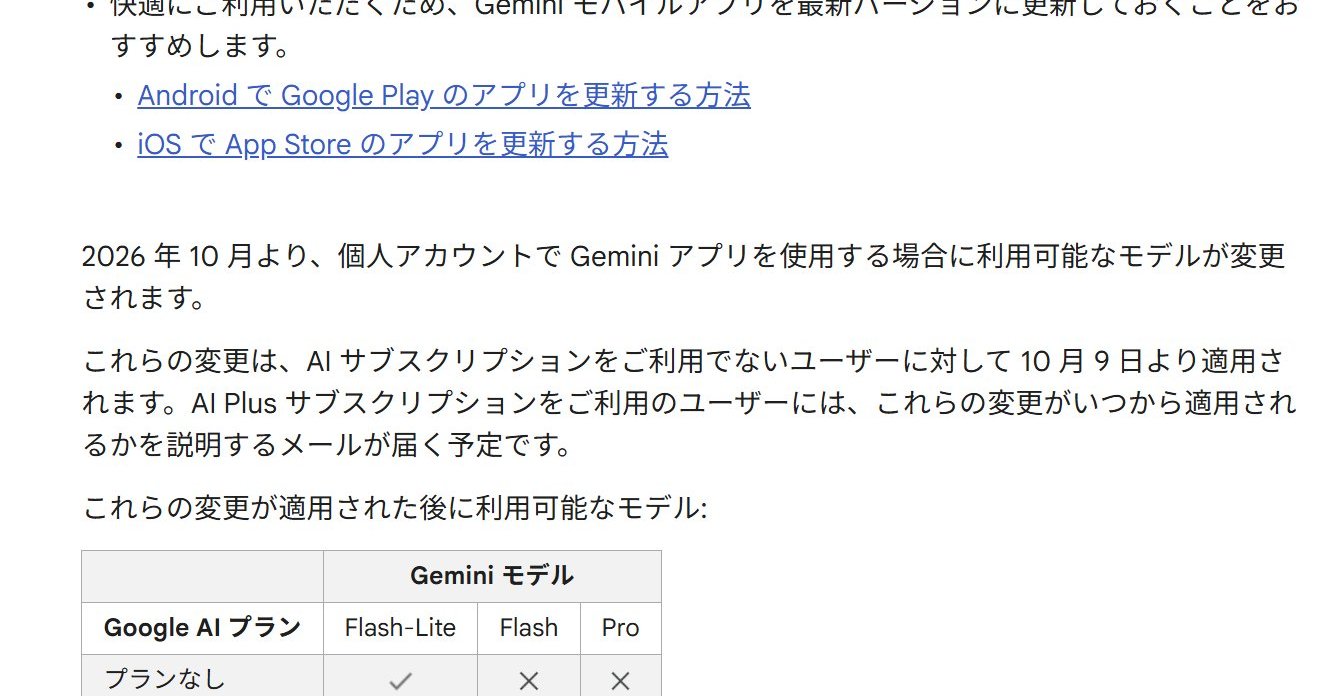
Google said free Gemini app users will be restricted to the "Flash-Lite" model starting October 9; "Flash" nee…
Nvidia expects AI spending to grow to $3 trillion to $4 trillion annually by 2030, while it reported $96 billi…

Indie developer Robert Varadan argues that AI models like Opus 5.5 and GPT-6 Astra can clone game demos from a…

David Robinson, who led safety reporting on OpenAI's main products, resigned, saying the company's culture is…
On September 25, Bank of America reiterated a Buy rating on Advanced Micro Devices and raised its price target…