
Cerebras is raising its IPO price range to $150–$160 per share from $115–$125, and increasing shares marketed to 30 million from 28 million, according to Reuters sources.
The WSE-3 chip has 44GB of on-chip SRAM with 21 PB/s of bandwidth—6,000 times faster than an H100's 3.35 TB/s—but only about half the memory, making it well-suited for inference (where an AI produces output tokens) rather than training where chip-to-chip networking limitations become apparent.
Inference workloads have three distinct parts: prefill (highly parallelizable, compute-heavy), and two alternating decode steps (both memory-bandwidth bound, requiring reads from KV cache and model weights), meaning sustained token generation speed matters more than raw compute when everything fits on-chip memory.
Ask the AI about this article →
For example, today's edition would include:
AI-summarized, only the topics you pick — one digest a day via Email, Slack, or Discord.
Free · takes 30 seconds · unsubscribe anytimeWhat is AIToday? →
Ask AI anything about this article. Q&As are published on this page for other readers too.
Google DeepMind chief Koray Kavukcuoglu said being at the frontier of AI is the only thing that matters to the…

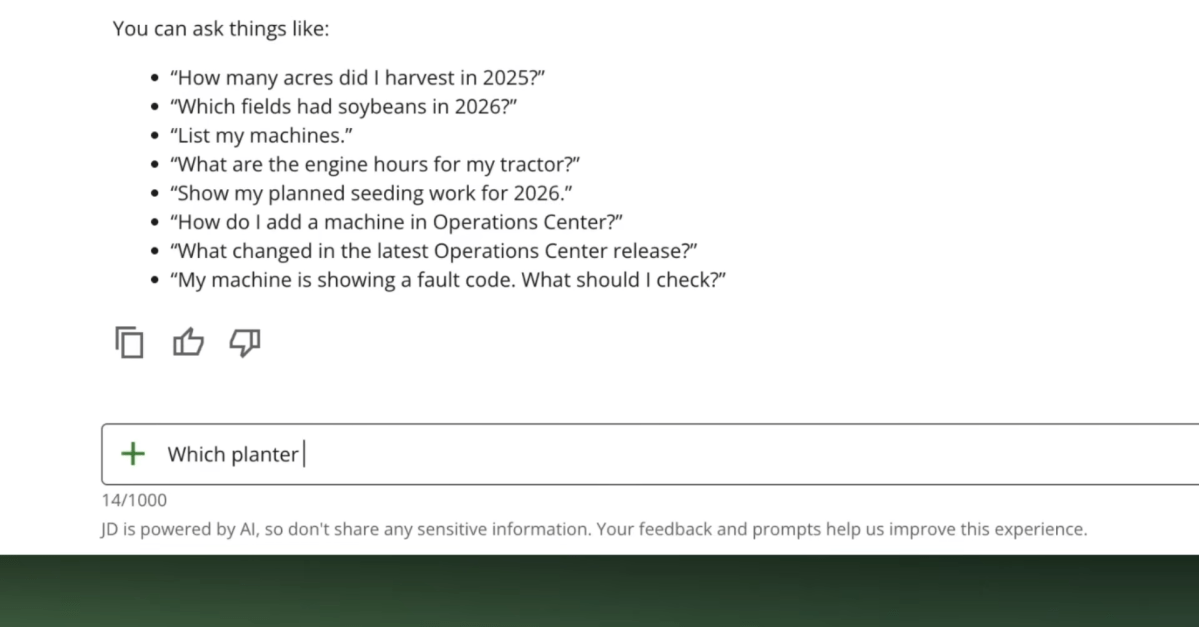
John Deere is testing an AI assistant called “JD” that answers farmers' questions on topics like equipment set…
Google has launched Google Pics, a new suite of creative design tools for Workspace users, built around Gemini…

OpenAI said today that it is integrating ChatGPT Health with Epic's electronic health record (EHR) system, whi…

Google is launching Google Pics, an AI-powered image creation and editing tool that will be part of Google Wor…

Google DeepMind launched agentic video understanding across Gemini 3.7 Flash, 3.6 Flash, and 3.5 Flash-Lite