What happened
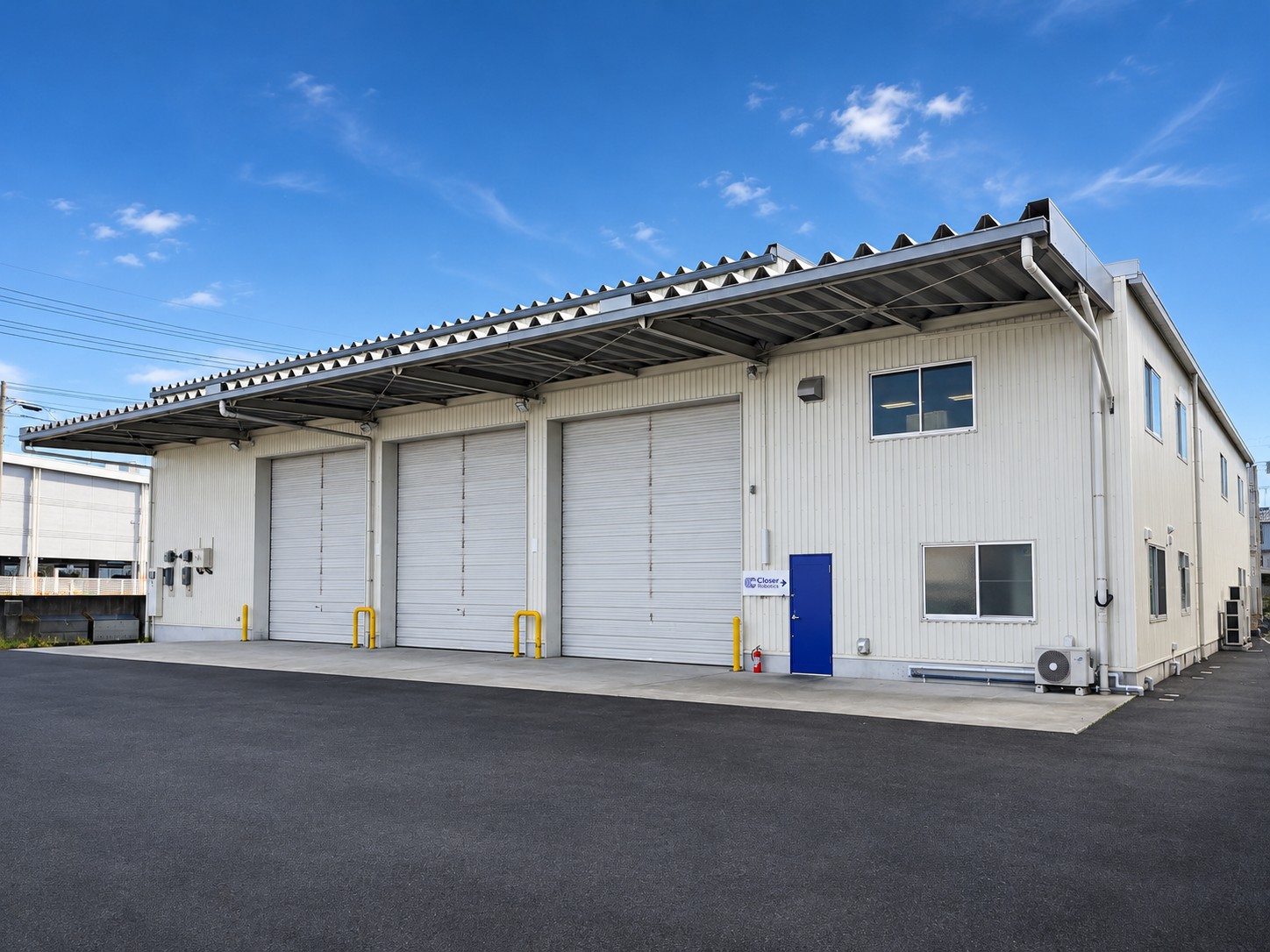
Closer announced on November 16, 2026 that it opened the "Kashiwanoha Robotics Center" in Kashiwa, Chiba, expanding R&D and real-machine verification space for robots such as its Palletizy palletizing robot and AI-vision PickPacker sachet-transfer robot.
Why it matters
The site lets multiple customer projects run verification in parallel using customers' own product samples, so buyers of food, cosmetics and pharmaceutical production lines can check performance and adoption effects concretely, which Closer says should speed up adoption decisions and expand sales.
WHO IT HITSFood, cosmetics and pharmaceutical manufacturers evaluating small collaborative robots for production lines gain a place to test Closer's machines with their own product samples before buying, while Closer's sales and installation teams get more demo and pre-adoption verification capacity.
Summaries like this, every morning.
Closer's move fits a company that has been selling robots into production lines rather than lab demonstrations. Its products, the Palletizy palletizing robot and the AI-vision PickPacker sachet-transfer robot, sit on a common in-house software platform and target food, cosmetics and pharmaceutical lines, where buyers tend to want proof on their own products before committing. The new Kashiwanoha Robotics Center is aimed squarely at that step: it adds space for testing with customer product samples and for demonstrations, and it is set up so several verification projects can run at once.
The company pairs the site with a push on supply, saying it will move new product launches, more sales opportunities and stable product supply together to grow the robot business. Whether the center converts into orders is not stated; the body frames faster adoption decisions and wider sales as the intended result.
Pick your industry and the AI tools you use, and get news related to your work every day.
Free · 30 seconds with Google · unsubscribe anytimeWhat is AIToday? →
Ask AI anything about this article. The AI reads this article, earlier AIToday articles, and Wikipedia, and cites its sources. Q&As are published on this page for other readers too.

