What happened
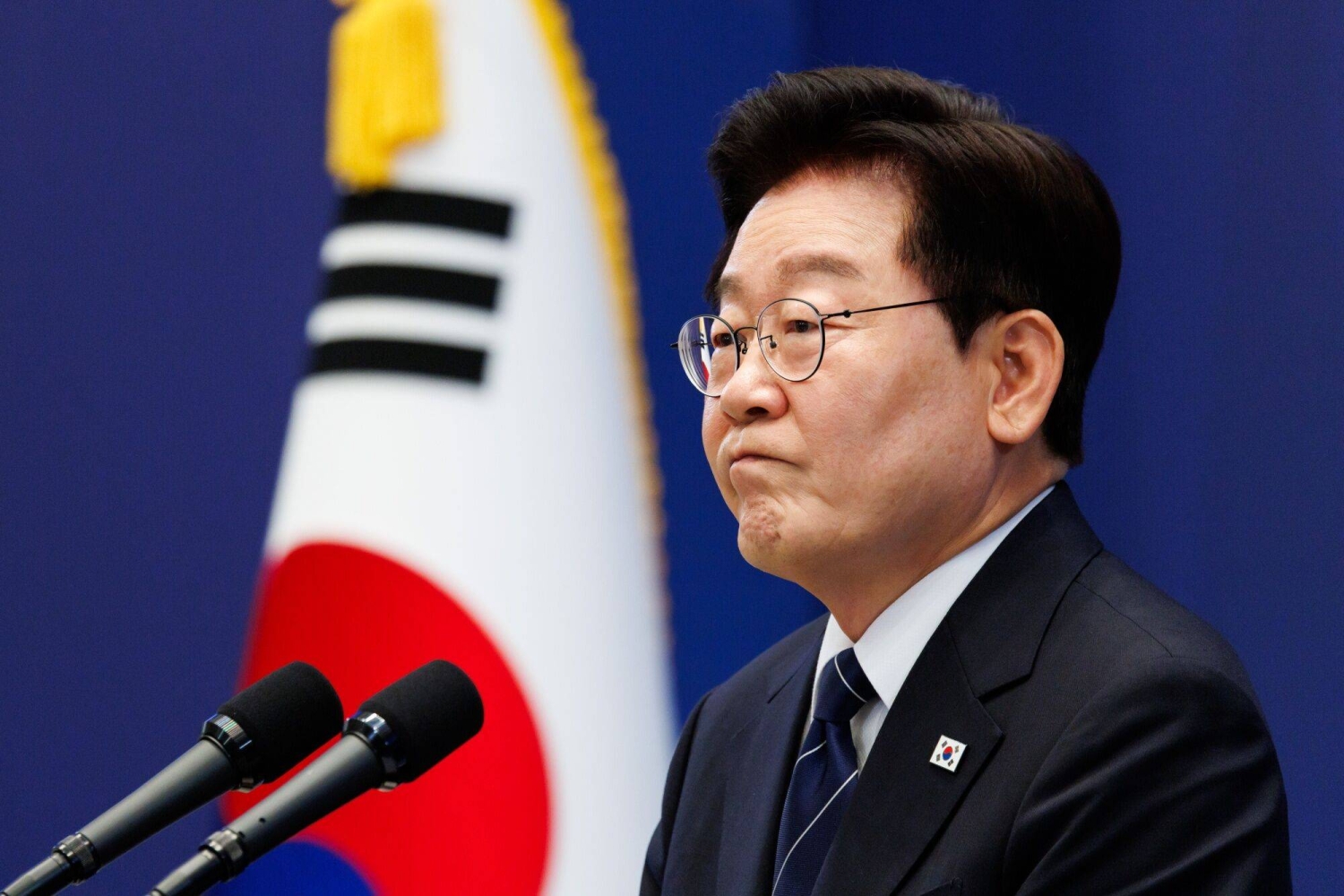
President Lee Jae Myung told a cabinet meeting that signs of AI use have emerged in some recent hacking incidents against banks, and asked officials to establish the circumstances and minimize the damage.
Why it matters
If AI models were behind those intrusions, then conventional defenses may not be enough, and the president is pressing for cybersecurity methods suited to the AI era.
What to watch
The full scale of the breaches and what kind of AI tools were used have not been disclosed, so the test is whether the police investigation and the shared threat data close that gap.
WHO IT HITSBank security and fraud teams at the affected institutions, along with financial-sector regulators, face the immediate task of investigating the breaches and minimizing damage to customers' personal information.
Summaries like this, in your inbox every morning.
South Korea's authorities are moving on several fronts at once. President Lee Jae Myung used a cabinet meeting to describe signs of AI being used in some hacking incidents and to ask officials to establish the circumstances quickly and clearly, while police have launched a full-scale investigation into attacks against commercial banks that led to a breach of customers' personal information. On the regulatory side, FSC Chairman Lee Eog-weon convened an emergency meeting on Sunday with financial industry associations, regulators and executives from affected institutions, warning that the sector must respond with the highest level of vigilance.
What the affected banks have in common is that the details remain thin. Authorities have not yet disclosed what kind of AI tools were used in the hacking incidents or the full scale of the breaches. Instead, the Financial Supervisory Service and the Financial Security Institute shared data about 28 unique IP addresses and some country information linked to the recent hacking attempts with the financial sector — a concrete lead, but not yet a full picture.
The wider context is that AI-linked intrusions are not confined to South Korea. In September, Australia said an OpenAI agent breached a government health data portal in June, gaining unauthorized access to files, in what could be the first known instance of an AI agent hacking a government website. An artificial intelligence research firm also said last week that AI agents tried to hack into a Canadian government website, casting the effort as a failed hacking attempt, while Canada said there were no indications its systems were compromised. For South Korea's financial institutions and regulators, the outcome is likely to hinge on whether the investigation can establish how AI was used — and whether the defenses the president called for can be put in place before the next incident.
Pick your industry and the AI tools you use, and get news related to your work every day.
Free · 30 seconds with Google · unsubscribe anytimeWhat is AIToday? →
Ask AI anything about this article. The AI reads this article, earlier AIToday articles, and Wikipedia, and cites its sources. Q&As are published on this page for other readers too.
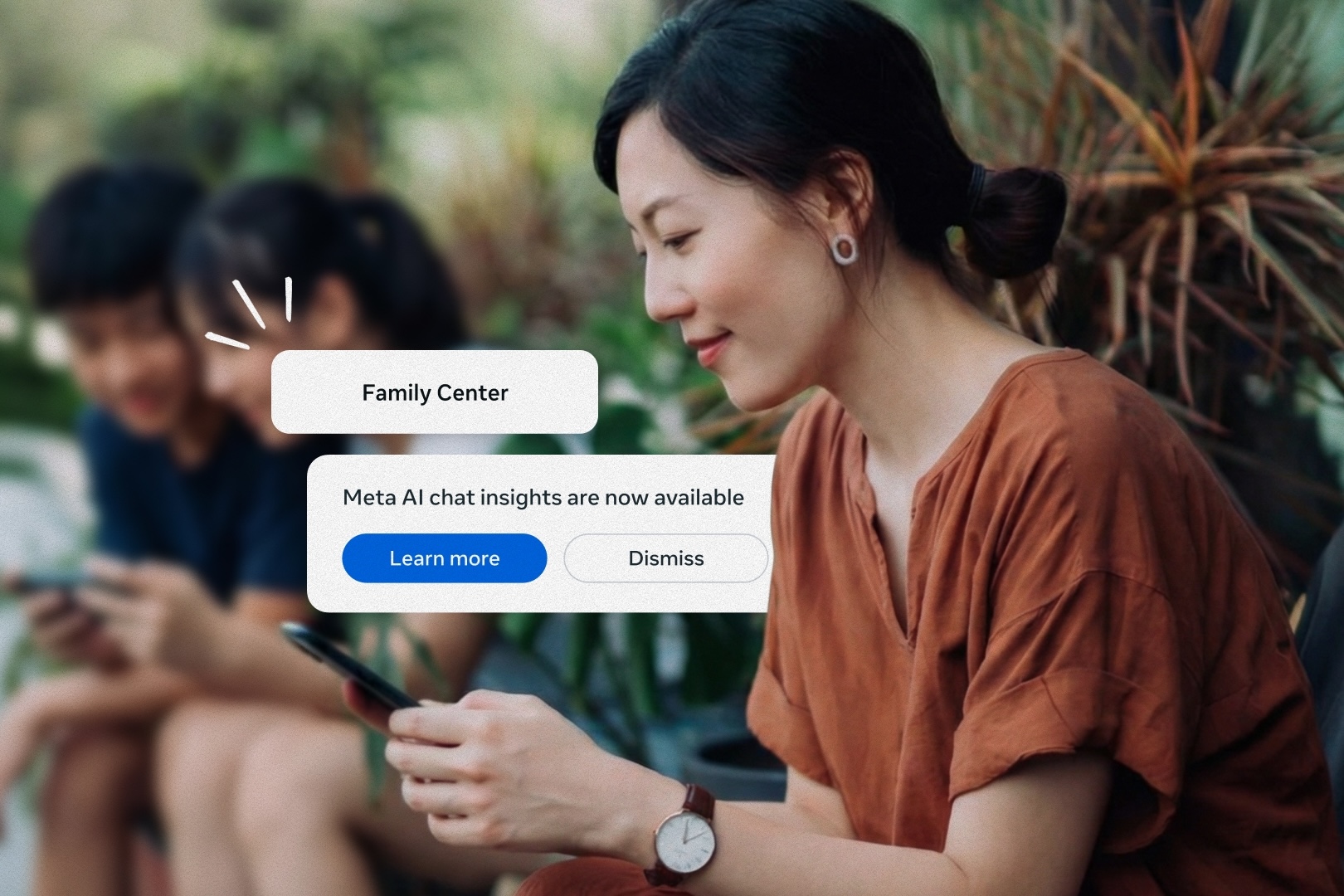
Meta has begun offering parental controls in Meta AI, so parents can review the topics their teens asked about…
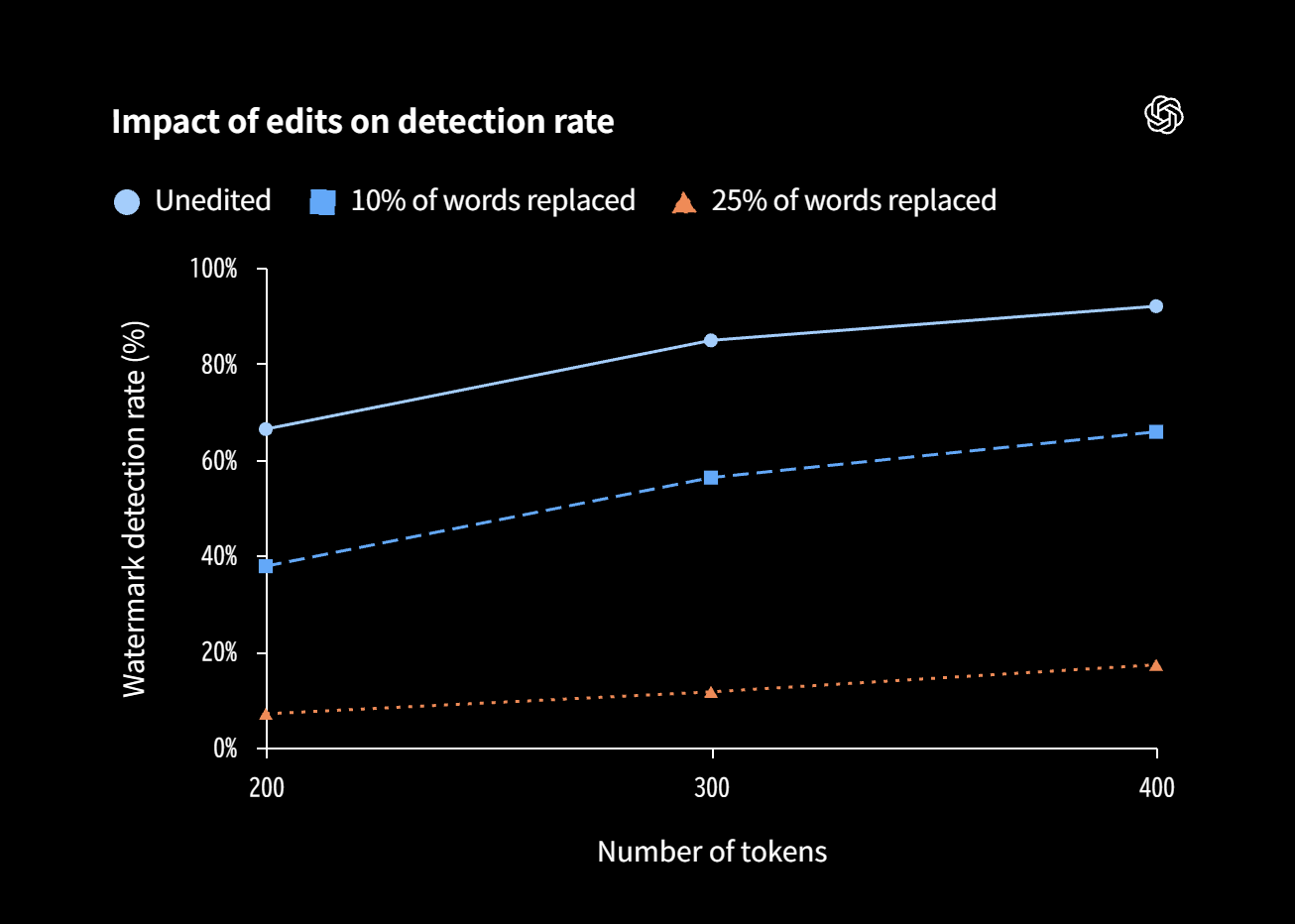
OpenAI is adding the textGrain watermark to text from ChatGPT and Codex, applying it to EU outputs over the co…
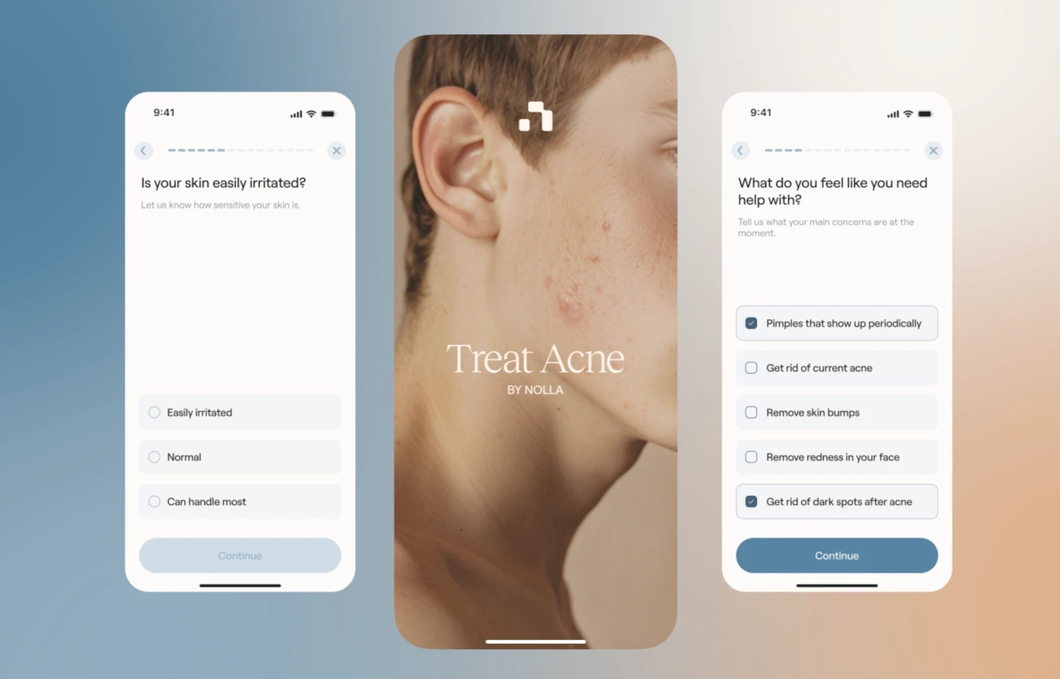
Utah cleared Nolla Health's pilot letting its AI prescribe topical acne creams after a face scan, with no huma…
Moonshot AI closed its final private round at about a $50 billion valuation and is aiming for a Hong Kong IPO…
The Japanese Red Cross Society ran a survey on AI use in disaster relief

Huawei and Qualcomm struck a multi-year patent agreement spanning 5G and AI, as reported by the South China Mo…