What happened
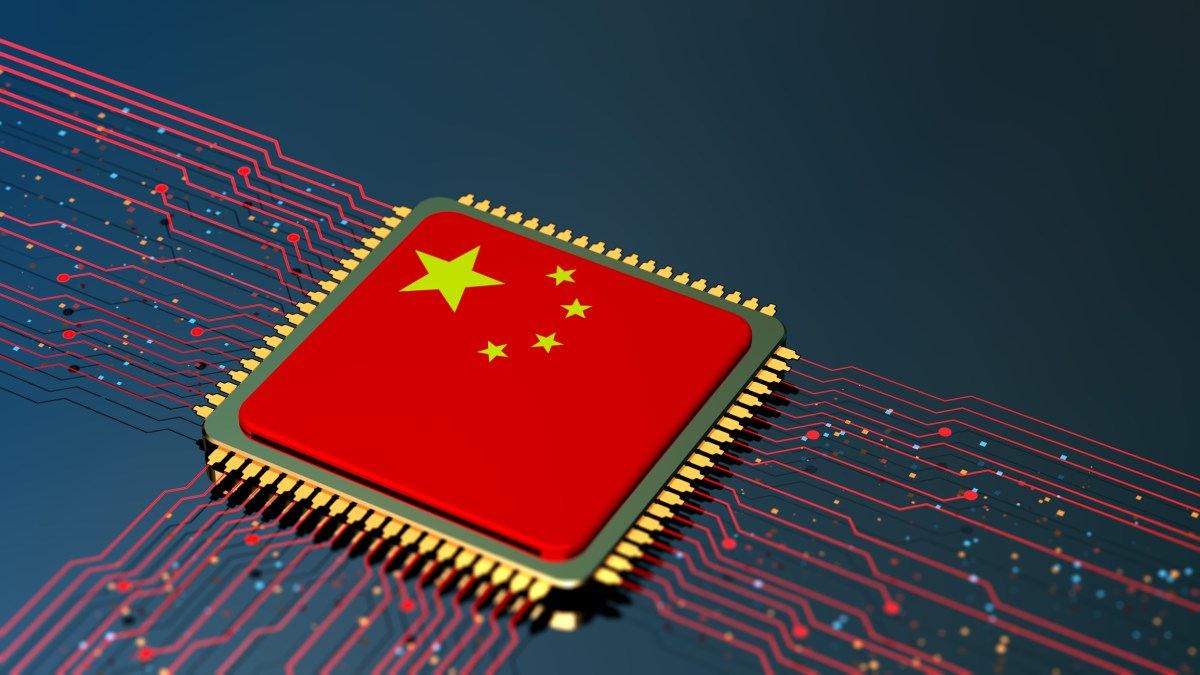
Treasury Secretary Scott Bessent said Tuesday the U.S. will examine open-source AI models from China for intellectual property theft and can sanction Chinese AI companies if theft is established. The statement follows reports that the Trump administration is considering a broader ban on Chinese open-source models.
Why it matters
Chinese models such as Moonshot AI's Kimi K3 are gaining capabilities and popularity, posing a threat to the business models and fundraising ability of major U.S. AI firms like OpenAI and Anthropic. The threat of sanctions signals an escalation in the U.S. government's technological competition strategy beyond existing chip export restrictions.
What to watch
The core dispute centers on model distillation—a technique that transfers capabilities from larger models to smaller ones—and whether it constitutes theft. Microsoft CEO Satya Nadella has questioned whether distillation restrictions are justified, and Hugging Face CEO Clem Delangue argues distillation is only a minor factor in Chinese progress compared to their research teams' strength.
Summaries like this, in your inbox every morning.
The U.S. government's threat of sanctions against Chinese AI models marks a significant shift in how Washington is addressing competitive pressure in artificial intelligence. Rather than focusing solely on hardware supply chains—a strategy pursued through chip export restrictions—the administration is now signaling it will target the AI models and software layer itself. This reflects deep concern that Chinese open-source alternatives are eroding the market position of American frontier labs like OpenAI and Anthropic, which depend on sustained capital investment to develop cutting-edge systems.
At the core of the policy dispute is model distillation, a technique that allows smaller, more efficient AI systems to absorb capabilities from larger ones. U.S. policymakers appear to view distillation of American models by foreign actors as intellectual property theft warranting sanctions. However, industry experts have challenged this framing. Microsoft CEO Satya Nadella and Hugging Face CEO Clem Delangue both argue that distillation is either a minor factor in model development or a widely-practiced technique used by U.S. companies as well. Delangue's point—that China's progress stems primarily from strong research teams and open collaboration rather than distillation alone—suggests the sanctions threat may not address the underlying competitive dynamics.
The timing also reflects broader legal and competitive pressures on U.S. AI labs. Anthropic recently received approval to pay authors as part of a $1.5 billion(約2400億円) settlement after a judge ruled the company had illegally downloaded and stored millions of copyrighted books for training. This creates a complex backdrop: the U.S. government is threatening to sanction Chinese companies for alleged IP theft while American AI labs themselves face legal liability for their training practices. The sanctions threat thus represents an attempt to maintain American dominance in the AI race, but its effectiveness may depend on clarifying what constitutes legitimate distillation versus unlawful copying.
For example, today's edition would include:
AI-summarized, only the topics you pick — one digest a day via Email, LINE, or Slack.
Free · 30 seconds with Google · unsubscribe anytimeWhat is AIToday? →
Ask AI anything about this article. Q&As are published on this page for other readers too.
Anthropic released Claude Opus 5.5 today and cut its price 20%, with input at $4 per million tokens and output…
Firecrawl announced it has raised $75 million in a Series B round led by Smash Ventures, with participation fr…
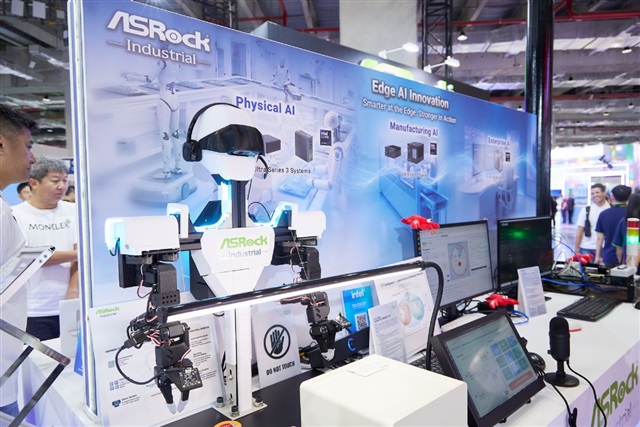
ASRock is shifting its business focus toward AI
Anthropic and OpenAI, which spent early September warning that model capabilities are outrunning the safeguard…
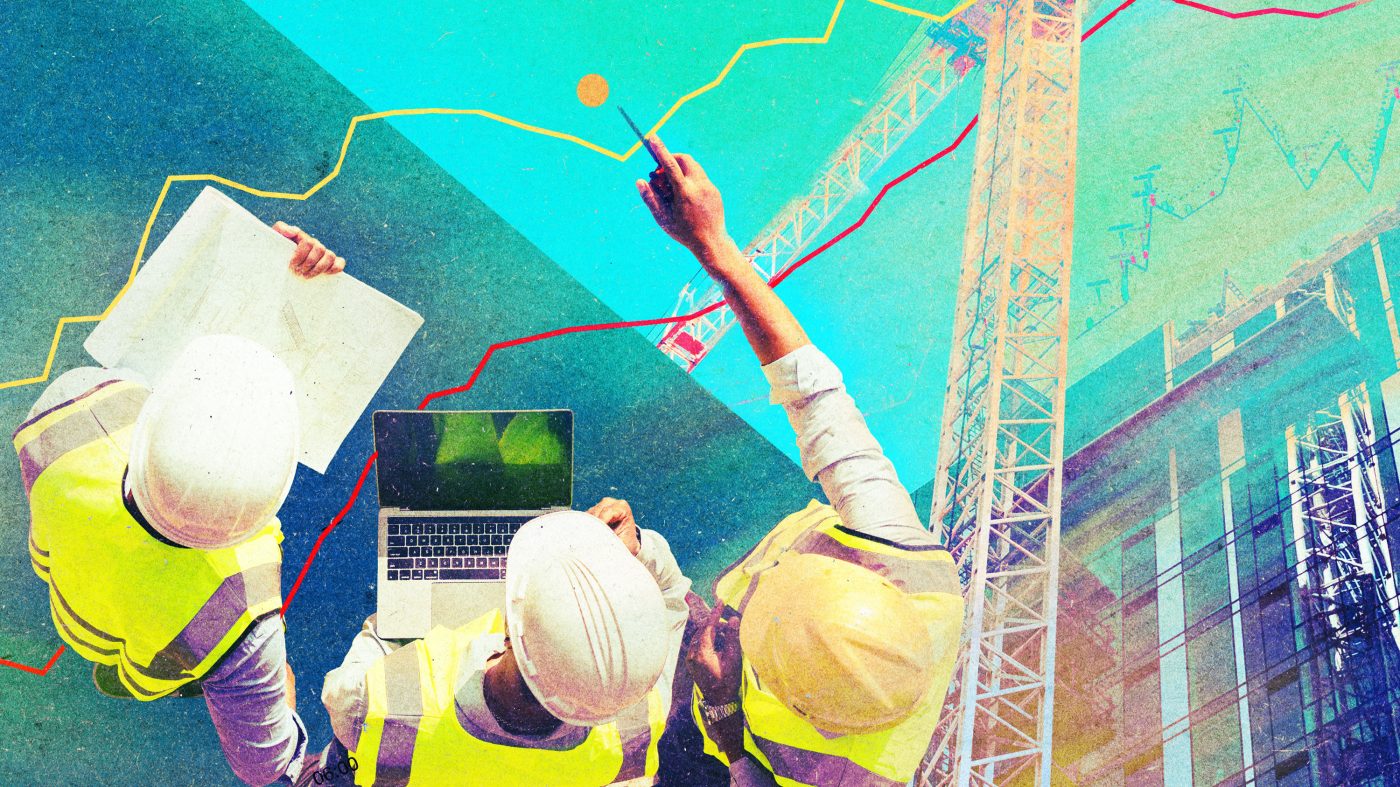
Jessica Wachter of Wharton and co-authors estimate hyperscaler spending will reach nearly 1.1兆ドル by 2027, and…
OpenAI released GPT-6 Sol and GPT-6 Luna on September 22, trained the same way as its top-tier GPT-6 Astra, an…