What happened
A psychology professor at Northeastern University has challenged the notion that religion can make AI more moral by pointing out that the real question is not whether AI can be virtuous, but who determines the values embedded in AI systems that influence billions of people's decisions.
Why it matters
In a 2025 global Ipsos survey, 53% of respondents said AI has already changed their lives, while two-thirds expect it to change society even further in the coming years. This means the moral frameworks and assumptions built into AI systems now shape major decisions across societies, making it essential that AI developers work with faith communities to ensure their systems reflect shared human values.
What to watch
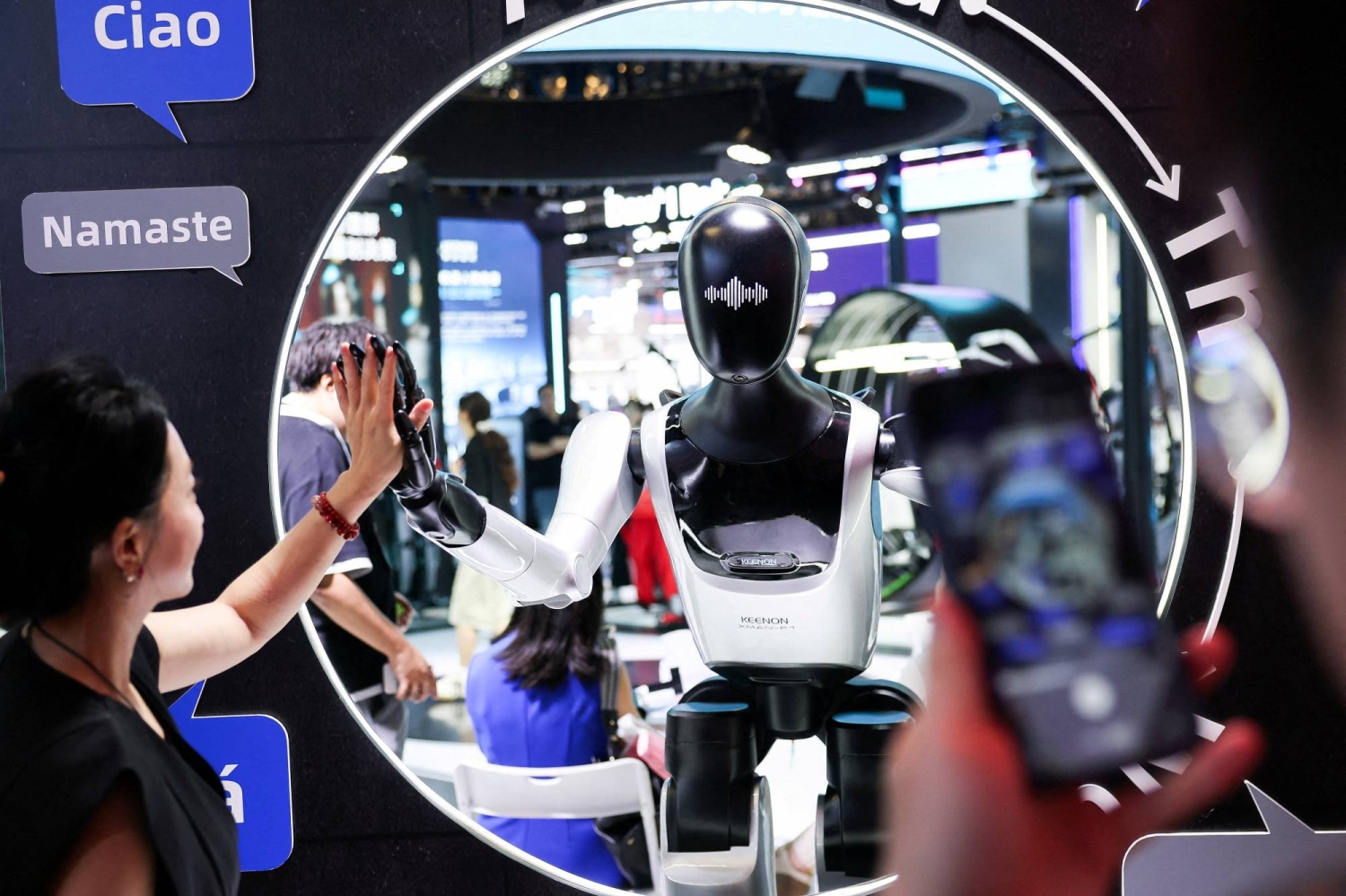
The World Artificial Intelligence Conference in Shanghai on July 18 brought attention to the need for AI developers to collaborate with faith communities to embed shared values into AI systems.
Summaries like this, in your inbox every morning.
The debate over whether religion can make AI more moral has often focused on whether artificial systems can develop genuine virtue through spiritual mechanisms. However, the core issue is not whether AI can replicate human moral transformation through spiritual practice—which is impossible given that AI lacks a body, consciousness, and emotional capacity. Instead, the critical question concerns human agency: who decides what values and moral assumptions are encoded into the AI systems that now influence major decisions across societies.
The scale of this influence is already substantial. According to a 2025 global Ipsos survey, 53% of respondents report that AI has already changed their lives, and two-thirds expect further societal transformation in coming years. This widespread integration of AI into decision-making—across healthcare, criminal justice, hiring, lending, and public policy—means that the moral traditions and assumptions embedded in these systems by their developers will shape outcomes for billions of people. Faith communities, which have historically preserved and transmitted moral wisdom across generations, represent repositories of ethical frameworks that could inform how developers choose to design and deploy AI systems.
Pick your industry and the AI tools you use, and get news related to your work every day.
Free · 30 seconds with Google · unsubscribe anytimeWhat is AIToday? →
Ask AI anything about this article. The AI reads this article, earlier AIToday articles, and Wikipedia, and cites its sources. Q&As are published on this page for other readers too.
ElevenLabs completed a $300 million employee tender at a $22 billion valuation, and co-founder Mati Staniszews…
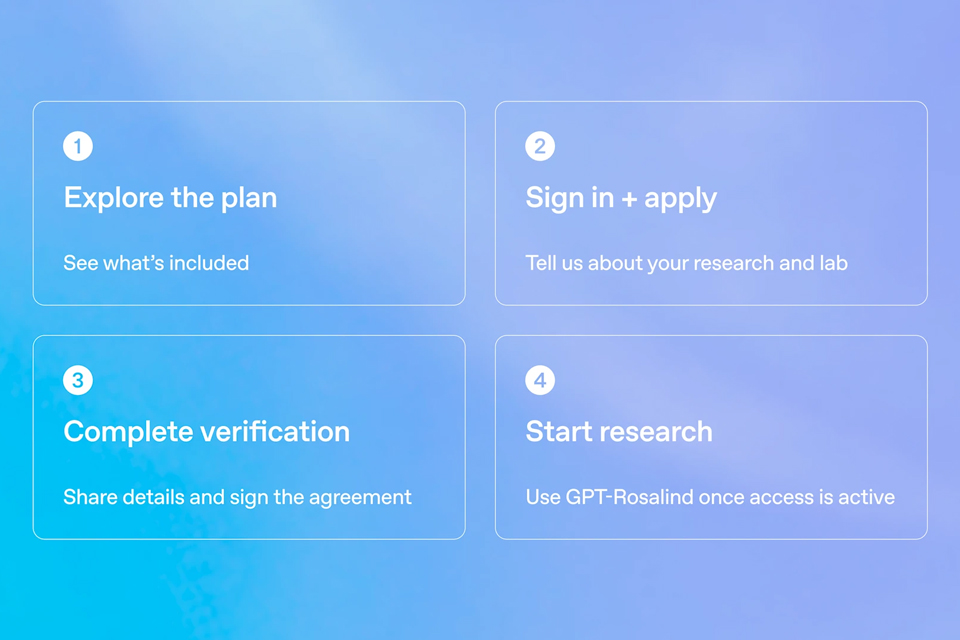
On October 15, OpenAI announced the Rosalind Academic Plan, giving approved US university labs free access to…
A Qiita article compared automated red-teaming methods for LLM apps — GCG, PAIR, and TAP — using mock implemen…

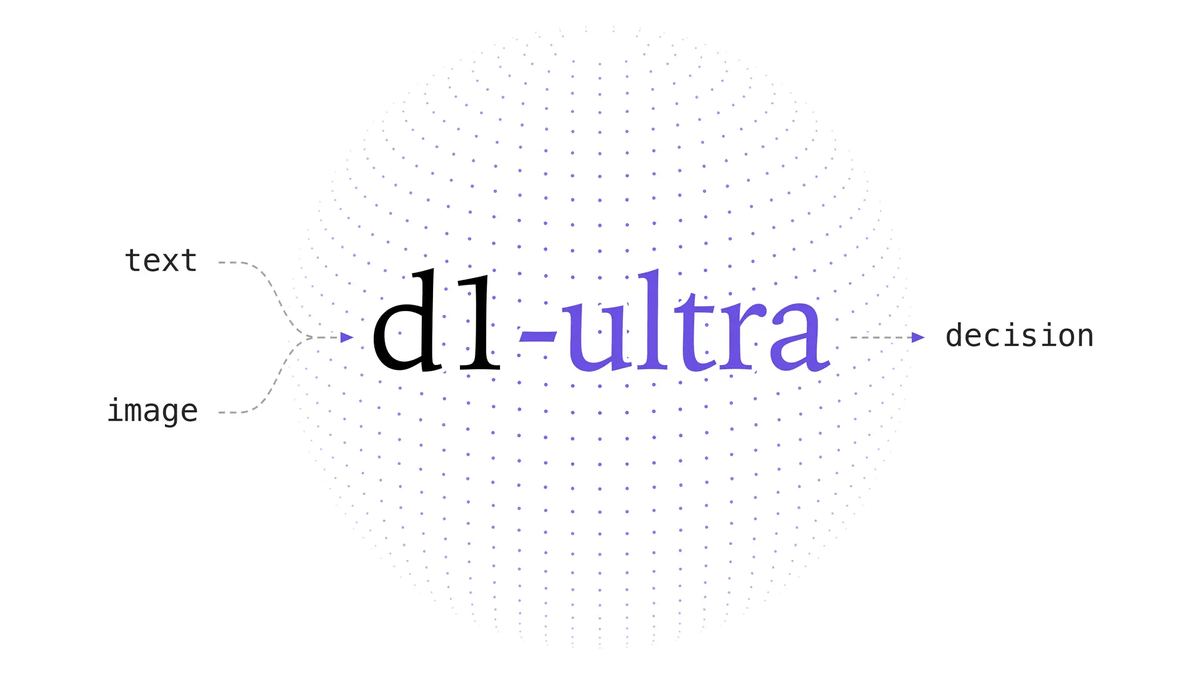
Liquid AI released d1-ultra on October 15, 2026, an upgraded open-weights decision model that averaged 76.7 ac…
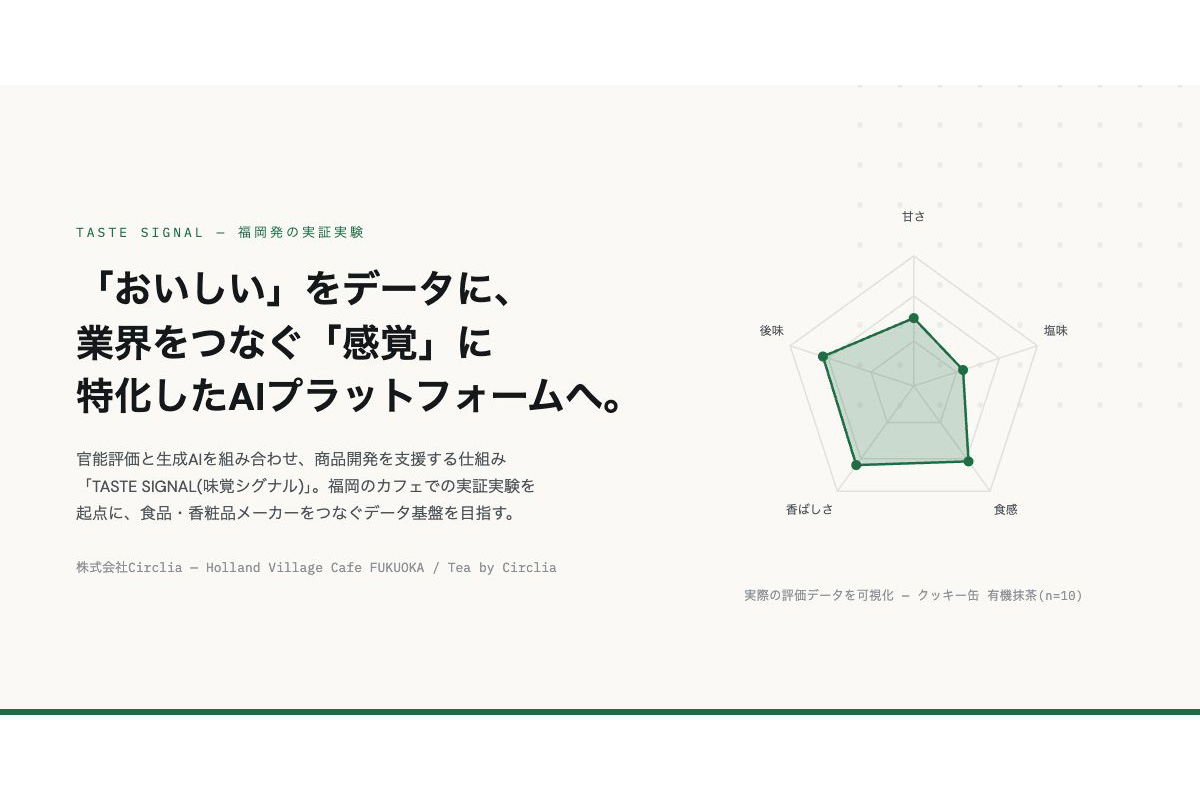
Circlia started a proof-of-concept for TASTE SIGNAL: visitors to Holland Village Cafe FUKUOKA taste cookies an…
In a webinar hosted by French Mathematical Society president Isabelle Gallagher, Fields Medal winner Hugo Dumi…

