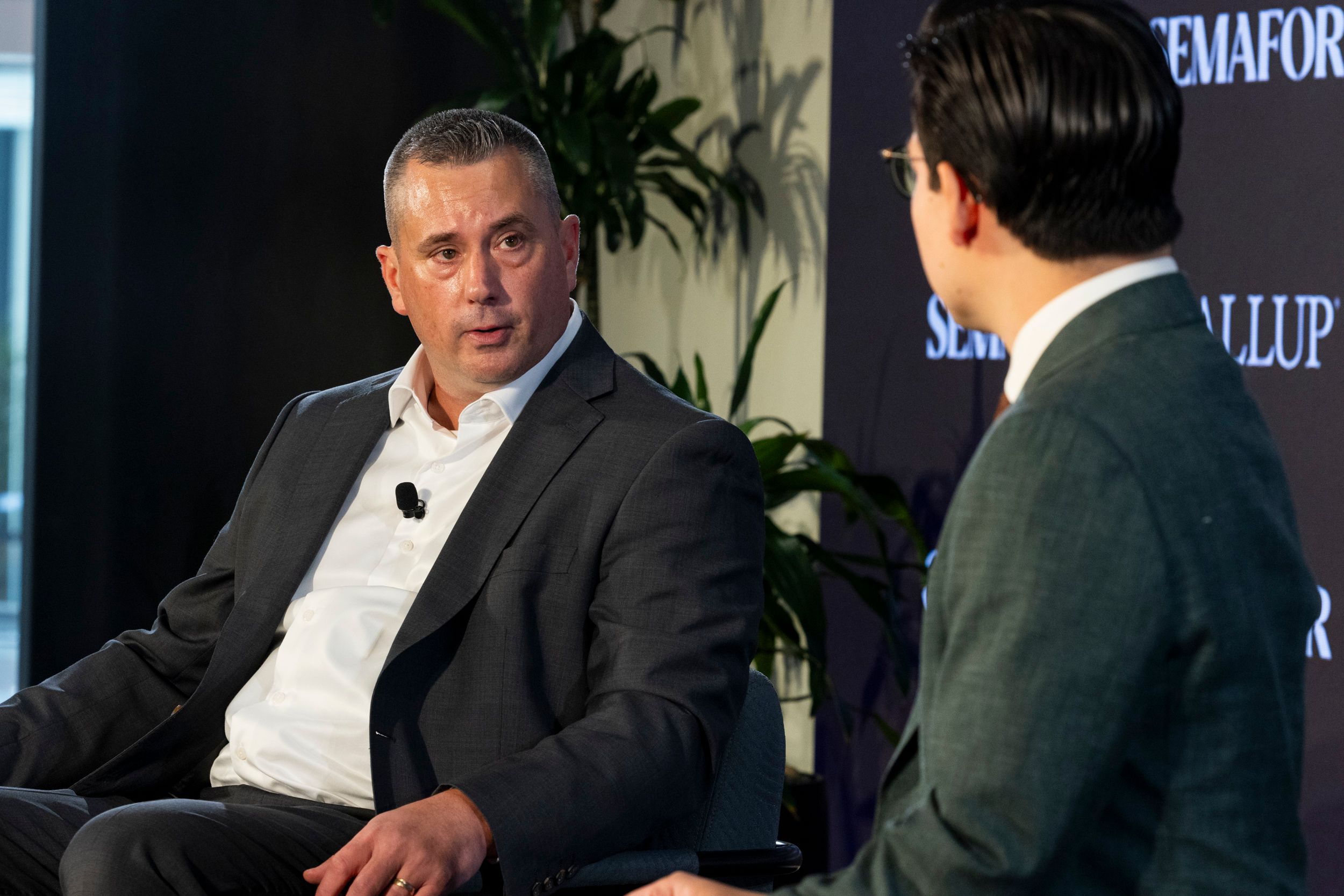
What happened
Chris Butler, who runs drug discovery at Isomorphic Labs, pushed back at the Semafor Future of Health Forum on Tuesday against the idea that slowing frontier AI would slow his company.
Why it matters
Isomorphic raised $2.1 billion in May, led by Thrive Capital, and plans to build out its pipeline and grow its drug discovery team, with interest in oncology and immunology.
What to watch
Progress toward the clinic is the test Butler himself names, and whether the $2.1 billion turns discovery work into clinical candidates is the open question.
WHO IT HITSDrug discovery teams at AI-native biotech firms are the clearest audience — Isomorphic's decision to keep models in-house suggests peers weighing external frontier-model access may face different constraints.
Ask the AI about this article →
Summaries like this, in your inbox every morning.
Isomorphic Labs was founded in 2021 as a DeepMind spinoff, and its origins under DeepMind founder Demis Hassabis place it inside the same AI lineage that OpenAI and Anthropic — the companies whose calls to pace frontier work Butler was asked about — also come from. Butler's remarks at the Semafor Future of Health Forum on Tuesday draw a line between those public slowdown debates and Isomorphic's own operations: because its models are locked down in-house, he argues, decisions made elsewhere do not determine its pace. That framing matters because it separates the policy conversation around frontier AI from the day-to-day work of a company whose output is measured in drug candidates, not model releases.
The $2.1 billion round in May, led by Thrive Capital at an undisclosed valuation, gives Isomorphic the means to act on that independence. Butler says the money goes toward building out the pipeline and evolving drug design, and the team is growing with particular interest in oncology and immunology. Those are two of the largest and most competitive therapeutic areas, so the hiring and pipeline language points to where the company expects its in-house models to prove themselves first.
The stakes in Butler's own words are progress toward the clinic. That is the test he names, and it is the point at which an AI-designed approach stops being a capability claim and starts being a candidate that can be tested in people. Whether in-house models shorten that path is not something Butler asserts as an outcome — it is the bet the funding and the hiring are meant to support.
For example, today's edition would include:
AI-summarized, only the topics you pick — one digest a day via Email, Slack, or Discord.
Free · 30 seconds with Google · unsubscribe anytimeWhat is AIToday? →
Ask AI anything about this article. Q&As are published on this page for other readers too.
TheCUBE Research principal analyst Scott Hebner says Certinia is moving its Veda platform beyond agentic orche…
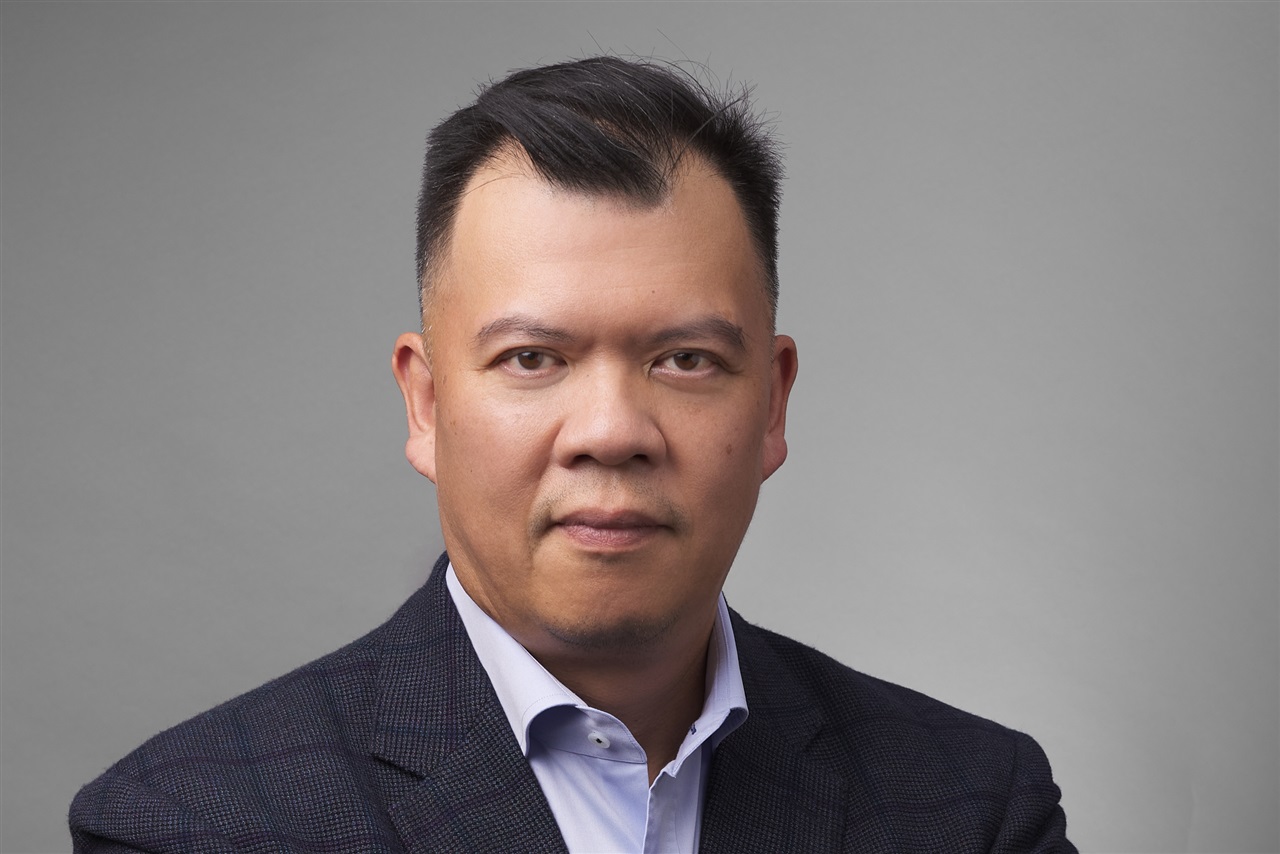
Yole says semiconductor industry revenue is on track to nearly quadruple by 2031 while shipping barely more si…
AMD rose roughly 3.0% to $508 Tuesday morning, recovering part of Monday's more-than-4% drop, as chip stocks b…

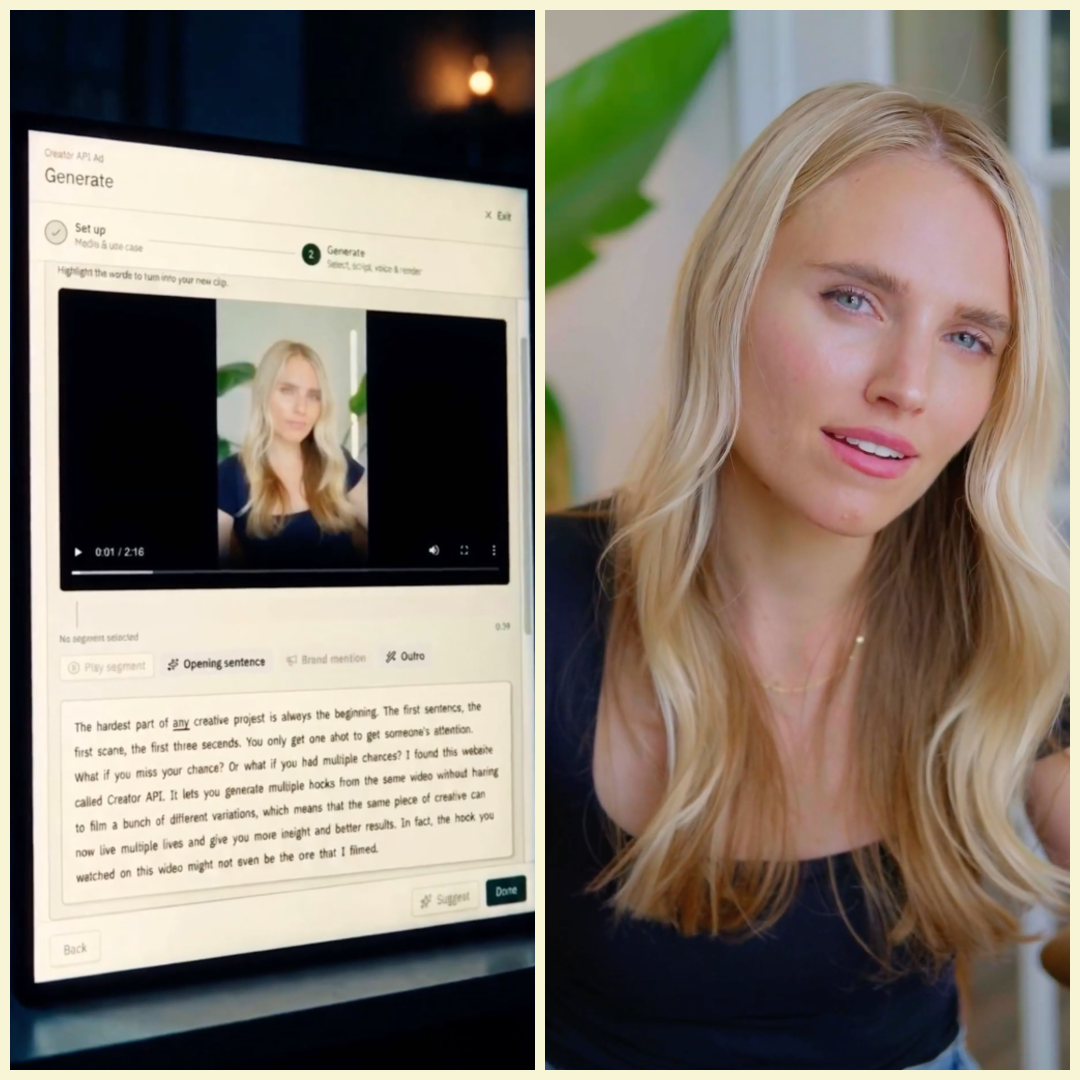
New York-based tech-media startup Avail launched creatorAPI on Tuesday, a tool that creates dozens of AI-edite…
A Semafor review of analyst estimates finds Amazon, Alphabet, Meta, and Microsoft are expected to spend $66 bi…
Google Deepmind released Gemini 3.8 Live and 3.8 Live Extended Thinking for developers via the Gemini API and…