New benchmark evaluates Vision Language Models (VLMs) on their ability to identify deceptive data visualizations paired with misleading captions
Benchmark taxonomy categorizes misleadingness into reasoning errors (cherry-picking, causal inference mistakes) and design errors (truncated axes, dual axes, inappropriate encodings)
Study combines real-world visualizations with human-curated misleading captions to enable controlled testing across different error types and deception methods
Findings suggest current commercial VLMs have significant gaps in detecting misleading visualizations, raising concerns about misinformation propagation through charts
Ask the AI about this article →
For example, today's edition would include:
AI-summarized, only the topics you pick — one digest a day via Email, Slack, or Discord.
Free · takes 30 seconds · unsubscribe anytimeWhat is AIToday? →
Ask AI anything about this article. Q&As are published on this page for other readers too.
Anthropic reset the 5-hour and 1-week usage limit windows for its AI service Claude on September 1, in connect…
Salesforce and Anthropic announced Claudeforce, starting with "Salesforce in Claude." This plugin lets users i…
Anthropic announced Claude Fable 5.1 and Claude Mythos 5.1 on September 1

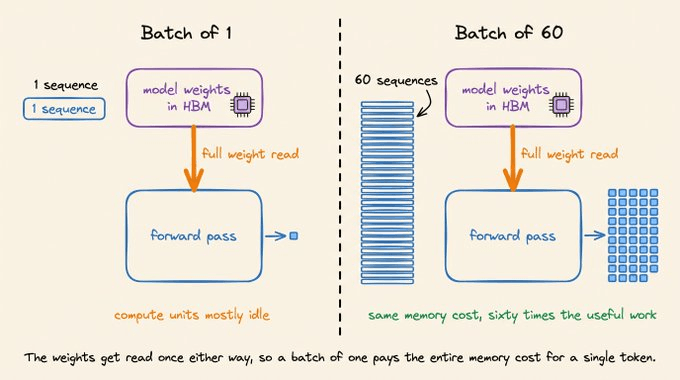
A technical explainer compares three LLM serving strategies—static, dynamic, and continuous batching
Anthropic's latest model, Claude Fable 5.1, is now available on Snowflake Cortex AI

The Allen Institute for AI released BenchMIRT, a method to audit AI benchmarks question-by-question