What happened
OpenAI announced that ChatGPT Work and Codex reached 10M combined users less than two weeks after their July 9th launch. Codex now powers ChatGPT Work, making all ChatGPT Work users part of the Codex user base. Codex's monthly active users are up more than 10x from January 2026.
Why it matters
The launch marks OpenAI's pivot from coding-only agents to broader knowledge work across documents, spreadsheets, and analysis. As of June, knowledge workers already accounted for roughly 20% of Codex's user base and were growing more than 3x as quickly as developers, signaling where the growth opportunity lies. ChatGPT Work lets users describe an outcome and collaborate with agents that assemble the needed tools and context across different work primitives.
What to watch
OpenAI consolidated product leadership, with two of Codex's leaders taking responsibility over Codex and ChatGPT Work product, completing a 'Superapp' consolidation cycle. The company is betting that agents capable of gathering context across code, Slack, documents, and local files, plus features like persistent computers, artifacts, Sites, and sub-agents, will expand AI's utility beyond engineers to the broader knowledge workforce.
Summaries like this, in your inbox every morning.
The 10M-user milestone in less than two weeks signals a fundamental shift in how OpenAI is positioning agent technology. Rather than remaining a tool for software engineers, Codex has unexpectedly become a productivity platform for knowledge workers—a demographic roughly 100x larger than professional coders. The body notes that as of June 2026, non-developer knowledge workers were already the fastest-growing segment, expanding more than 3x as quickly as developers, and this early traction informed OpenAI's decision to build ChatGPT Work as a dedicated product.
The consolidation of product leadership under two of Codex's most prominent leaders, completing what OpenAI calls a 'Superapp' consolidation cycle, reflects a deliberate organizational shift toward treating these as unified experiences rather than separate tools. The shared agent harness behind both products allows users to describe outcomes and have agents assemble the necessary tools, context, and artifacts across the fragmented landscape of modern knowledge work—documents, spreadsheets, slide decks, code, and specialized applications. This architectural choice directly addresses the enterprise lesson Akshay Nathan highlights: there is no one-size-fits-all solution, so meeting users where they work and teaching them how to apply agent leverage to their specific use case is critical.
Pick your industry and the AI tools you use, and get news related to your work every day.
Free · 30 seconds with Google · unsubscribe anytimeWhat is AIToday? →
Ask AI anything about this article. The AI reads this article, earlier AIToday articles, and Wikipedia, and cites its sources. Q&As are published on this page for other readers too.
In Q2, billionaires or their funds sold six 'Magnificent Seven' AI stocks

Nvidia was rising early Friday, even as the wider chip sector kept falling, Barron's reported

ElevenLabs completed a $300 million employee tender at a $22 billion valuation, and co-founder Mati Staniszews…
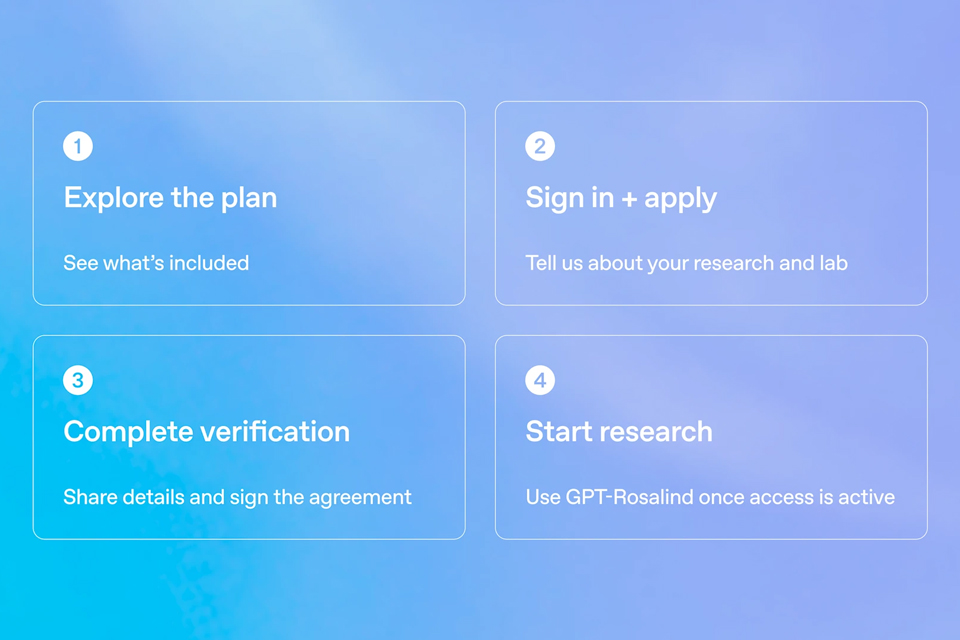
On October 15, OpenAI announced the Rosalind Academic Plan, giving approved US university labs free access to…
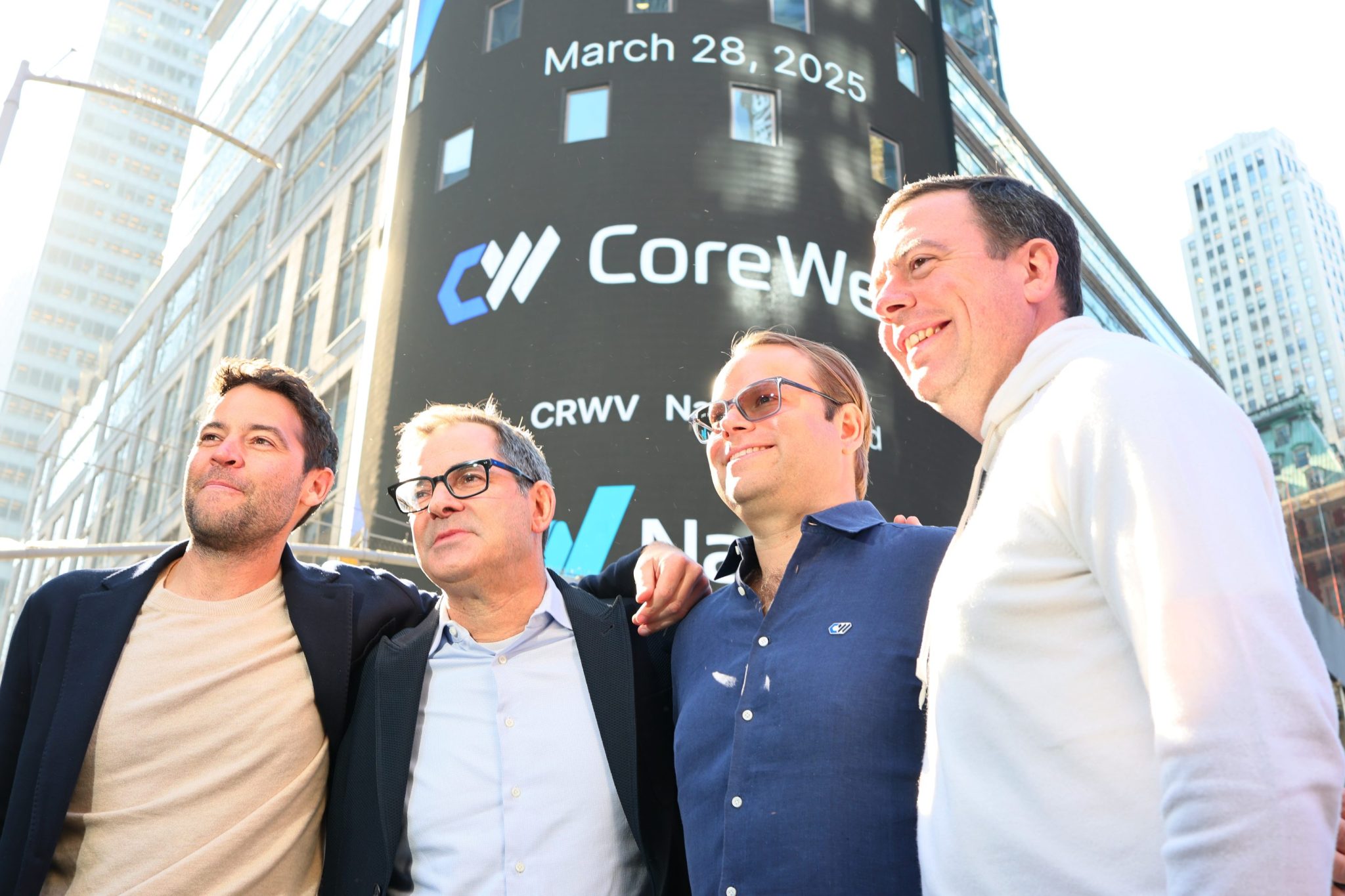
Neostellar Capital principal Evan Schlossman said CoreWeave's $103.7 billion in remaining performance obligati…
A Qiita article compared automated red-teaming methods for LLM apps — GCG, PAIR, and TAP — using mock implemen…


