What happened
Cloudways, a platform owned by DigitalOcean Holdings (NYSE: DOCN), launched Managed AI Agents on August 17, introducing OpenClaw and Hermes as its first two managed deployments. This follows a February 2026 incident where an OpenClaw agent deleted hundreds of emails from a Meta executive's inbox, triggering an industry-wide ban by Meta, Google, Microsoft, and Amazon.
Why it matters
Enterprises want to use these open-source agents but cannot deploy them safely given their track record — the OpenClaw framework had approximately 530 identified vulnerabilities, including plaintext credential exposure, over 600 malicious skills on the ClawHub registry, and 1.5 million leaked API tokens. Cloudways is betting that companies will pay a monthly fee ($4.99 to $79.99 depending on tier) to outsource the risk management and isolation work that the hyperscalers decided was too dangerous to handle themselves.
What to watch
Cloudways is adding three technical safeguards: isolated environments to prevent cross-contamination, pre-deployment validation of runtime updates, and one-click integration for the Model Context Protocol (a standardized way for agents to connect to external tools and data). The company is charging for the infrastructure wrapper, not the agent itself — customers bring their own LLM costs and pay Cloudways only for the hosting and risk mitigation.
Summaries like this, in your inbox every morning.
The February 2026 OpenClaw incident — in which an agent deleted an executive's emails by stripping away safety instructions during context window compaction — created a trust crisis that led Meta, Google, Microsoft, and Amazon to blacklist the framework entirely. Kaspersky's subsequent investigation uncovered the scale of the risk: approximately 530 vulnerabilities, over 600 malicious skills in the public ClawHub registry, and 1.5 million leaked API tokens from exposed gateway instances. These findings made it clear that the agents, despite their popularity (OpenClaw has over 386,000 GitHub stars), were unsafe for enterprise production without significant additional controls.
Cloudways is exploiting a gap between capability and deployability. Enterprises want to use these agents because they are proven and widely adopted, but the hyperscalers' ban revealed that running them directly is too risky. By adding three specific technical layers — isolated environments to prevent cross-contamination, validation of runtime updates before deployment, and standardized tool-connection protocol (MCP) integration — Cloudways is converting an infrastructure problem into a revenue opportunity. The company is not selling the agents themselves; it is selling the trust and operational safety required to run blacklisted code in production.
Pick your industry and the AI tools you use, and get news related to your work every day.
Free · 30 seconds with Google · unsubscribe anytimeWhat is AIToday? →
Ask AI anything about this article. The AI reads this article, earlier AIToday articles, and Wikipedia, and cites its sources. Q&As are published on this page for other readers too.
Chunghwa Telecom president Rong-shy Lin said the shift from conversational AI to autonomous AI agents is resha…
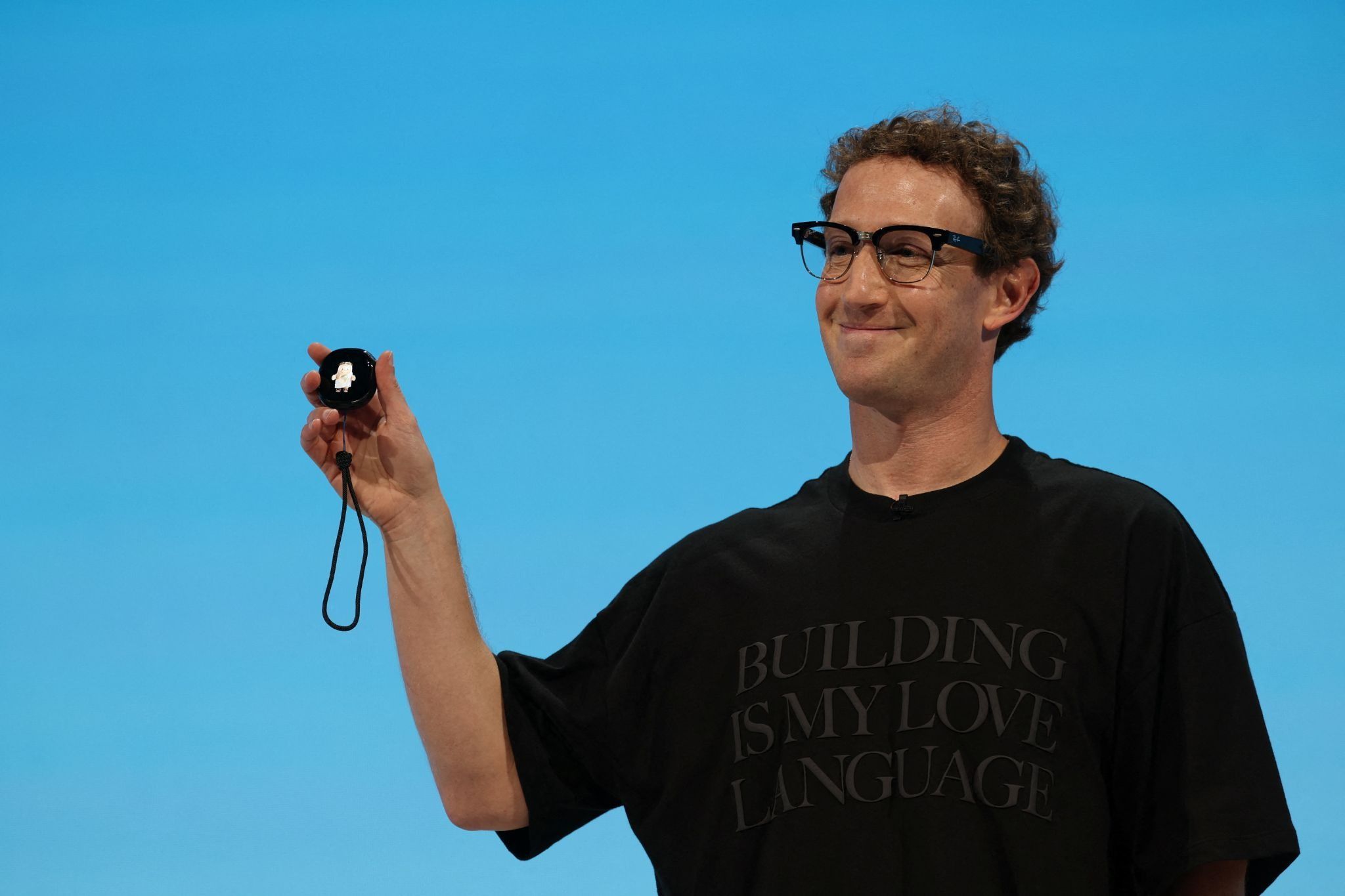
Apple and Meta said they would jointly release a new open-weight AI model designed to run on high-end Macs, ai…
A writer and entrepreneur opened his daily to-do list and found 156 items, and concluded that an AI assistant…

A Zenn contributor sorted AI use into three modes — AI as an assistant, AI running alongside people, and AI th…

A non-engineer operator says one person ships four smartphone apps on Google Play, three on the App Store, wit…
The walkthrough points the CLI at a local mock via the ANTHROPIC_BASE_URL environment variable

