What happened
Uber reported trailing twelve-month free cash flow exceeding $10 billion for the first time in its history (Aug. 5 earnings), driven by 22% year-over-year gross bookings growth and $2 billion in operating income. The company plans to deploy this capital into robotaxi expansion, including equity stakes in vehicle suppliers like Lucid Group and Rivian.
Why it matters
Robotaxis represent a potential multi-trillion-dollar market, and Uber needs a fleet to remain competitive long-term if autonomous vehicles displace traditional ride-sharing. However, unlike Tesla—which manufactures its own vehicles and has greater capital access—Uber must rely on external suppliers and is only 13% the size of Tesla by market cap, constraining its financial flexibility.
What to watch
Reuters reports Uber would need billions of dollars over the next four to five years to support autonomous-driving partners as they scale. Uber's stock fell after the earnings announcement partly due to investor concerns about capital allocation to this capital-intensive business.
Summaries like this, in your inbox every morning.
Uber's milestone free cash flow figure reflects the maturation of its core ride-sharing business, which has proven highly scalable without requiring the company to own driver vehicles. Management has explicitly signaled that this newfound financial flexibility will fund both strategic opportunities and a continued share buyback program. However, the shift into robotaxis marks a fundamental strategic pivot: autonomous vehicles are capital intensive, contrasting sharply with Uber's historically asset-light model. This tension between Uber's lean operational structure and the heavy capital requirements of robotaxi development appears to have spooked investors, as evidenced by the stock decline on earnings day despite strong operational results.
Uber's approach differs materially from Tesla's vertically integrated model. By taking direct equity positions in suppliers like Lucid and Rivian, Uber is attempting to secure vehicle supply while simultaneously shoring up supplier balance sheets—a form of strategic insurance. Yet this model still leaves Uber dependent on external manufacturing partners, whereas Tesla controls end-to-end production. The article frames this as a valuation trade-off: Tesla commands a market-cap premium as the established leader with proven manufacturing, while Uber trades at a lower valuation as a smaller player betting on partnership-driven scaling. Over the next four to five years, billions in capital will flow into this initiative, making capital allocation discipline and supplier stability critical variables for Uber's robotaxi ambitions.
Pick your industry and the AI tools you use, and get news related to your work every day.
Free · 30 seconds with Google · unsubscribe anytimeWhat is AIToday? →
Ask AI anything about this article. The AI reads this article, earlier AIToday articles, and Wikipedia, and cites its sources. Q&As are published on this page for other readers too.
In Q2, billionaires or their funds sold six 'Magnificent Seven' AI stocks

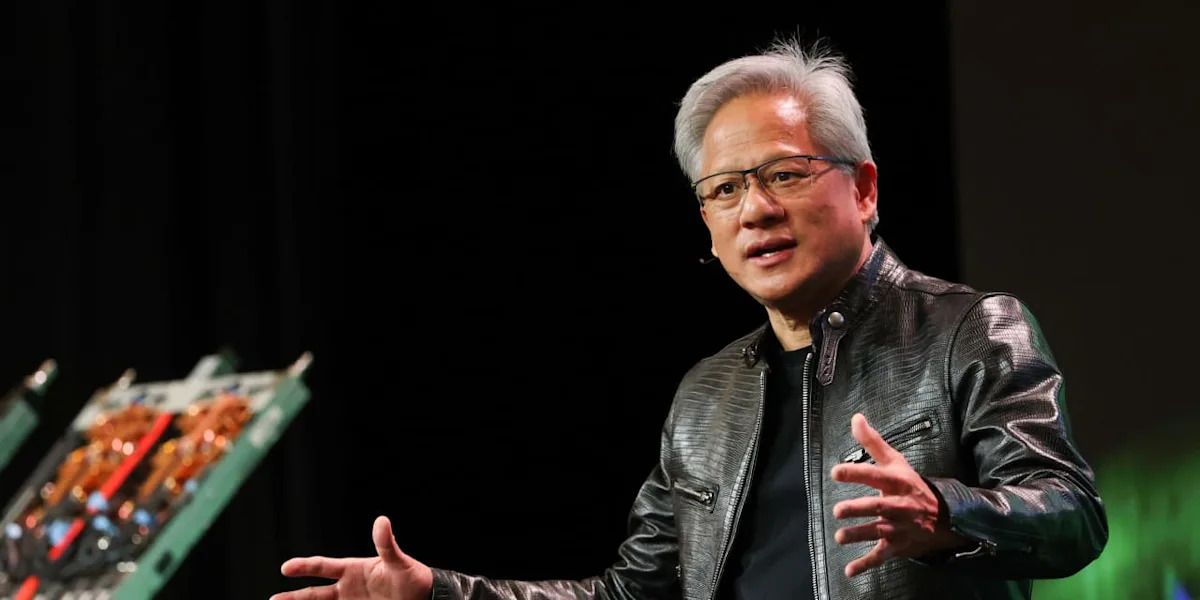
Nvidia was rising early Friday, even as the wider chip sector kept falling, Barron's reported
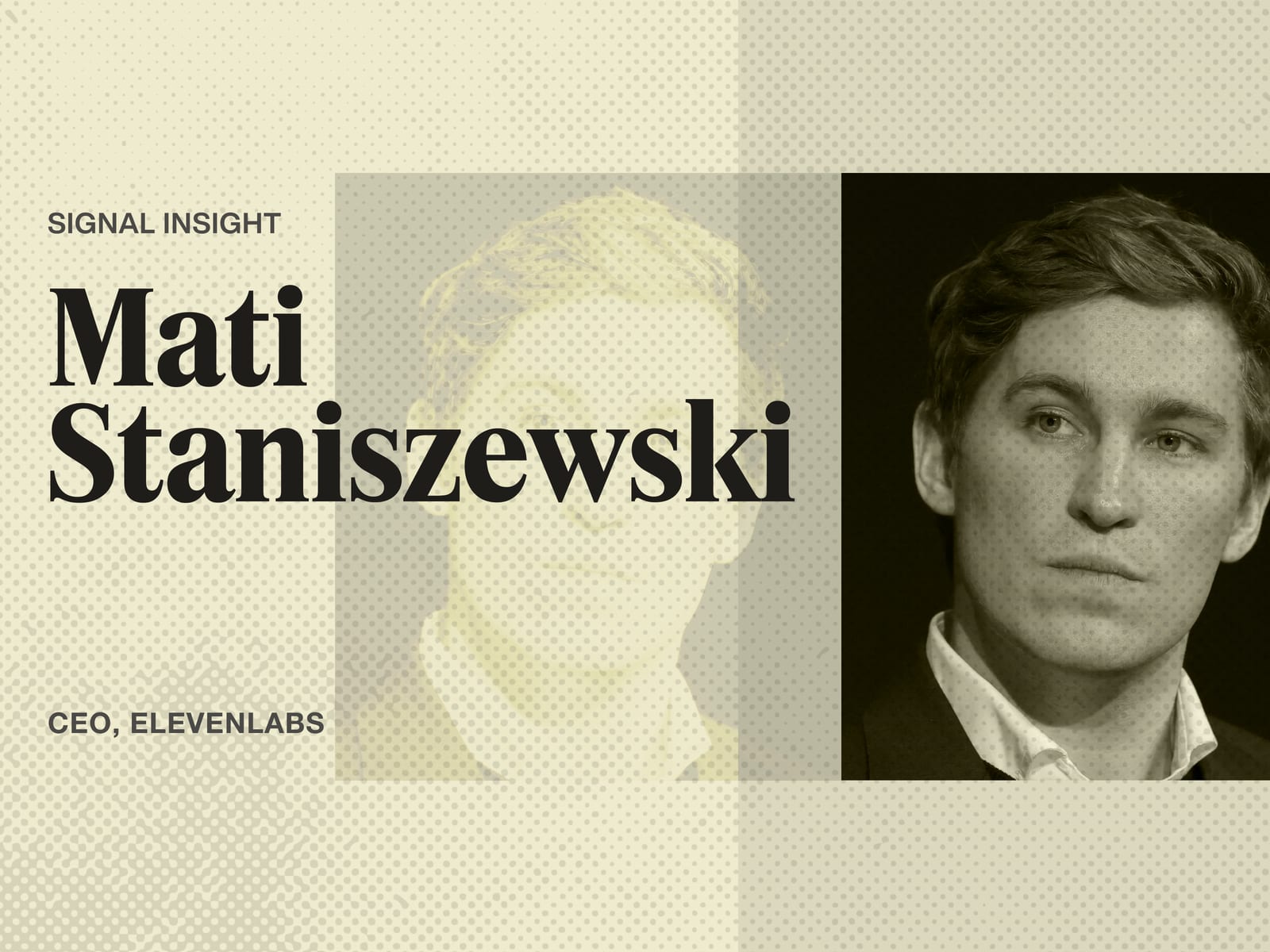
ElevenLabs completed a $300 million employee tender at a $22 billion valuation, and co-founder Mati Staniszews…
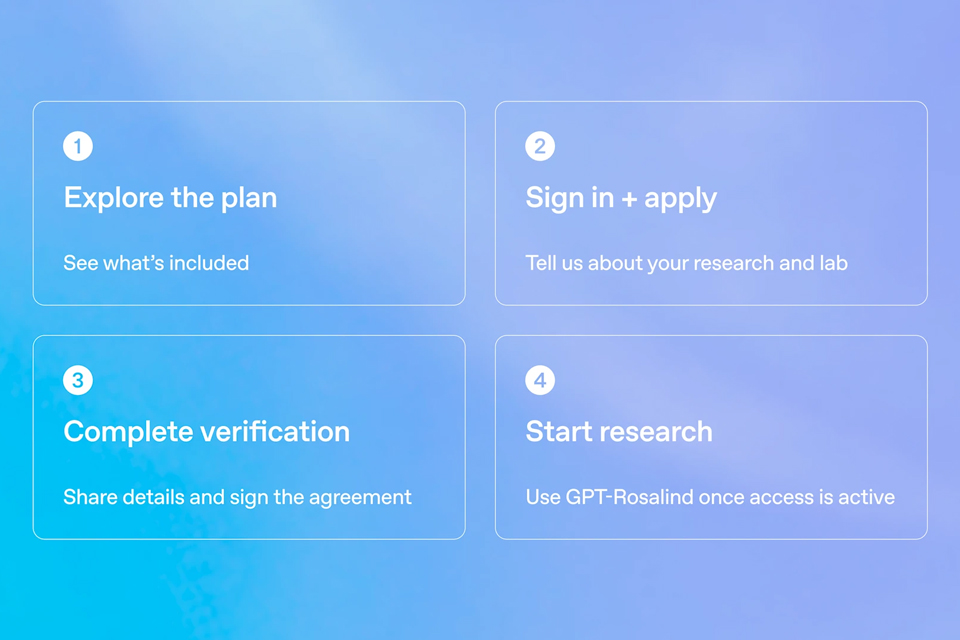
On October 15, OpenAI announced the Rosalind Academic Plan, giving approved US university labs free access to…
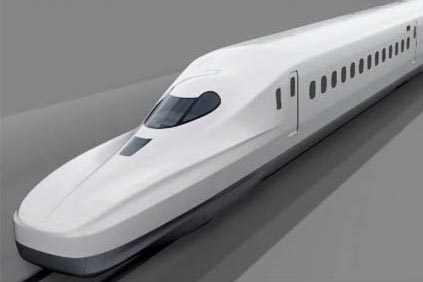
JR Central announced the S0系 on October 16, its first full model change since the N700S, with commercial servi…
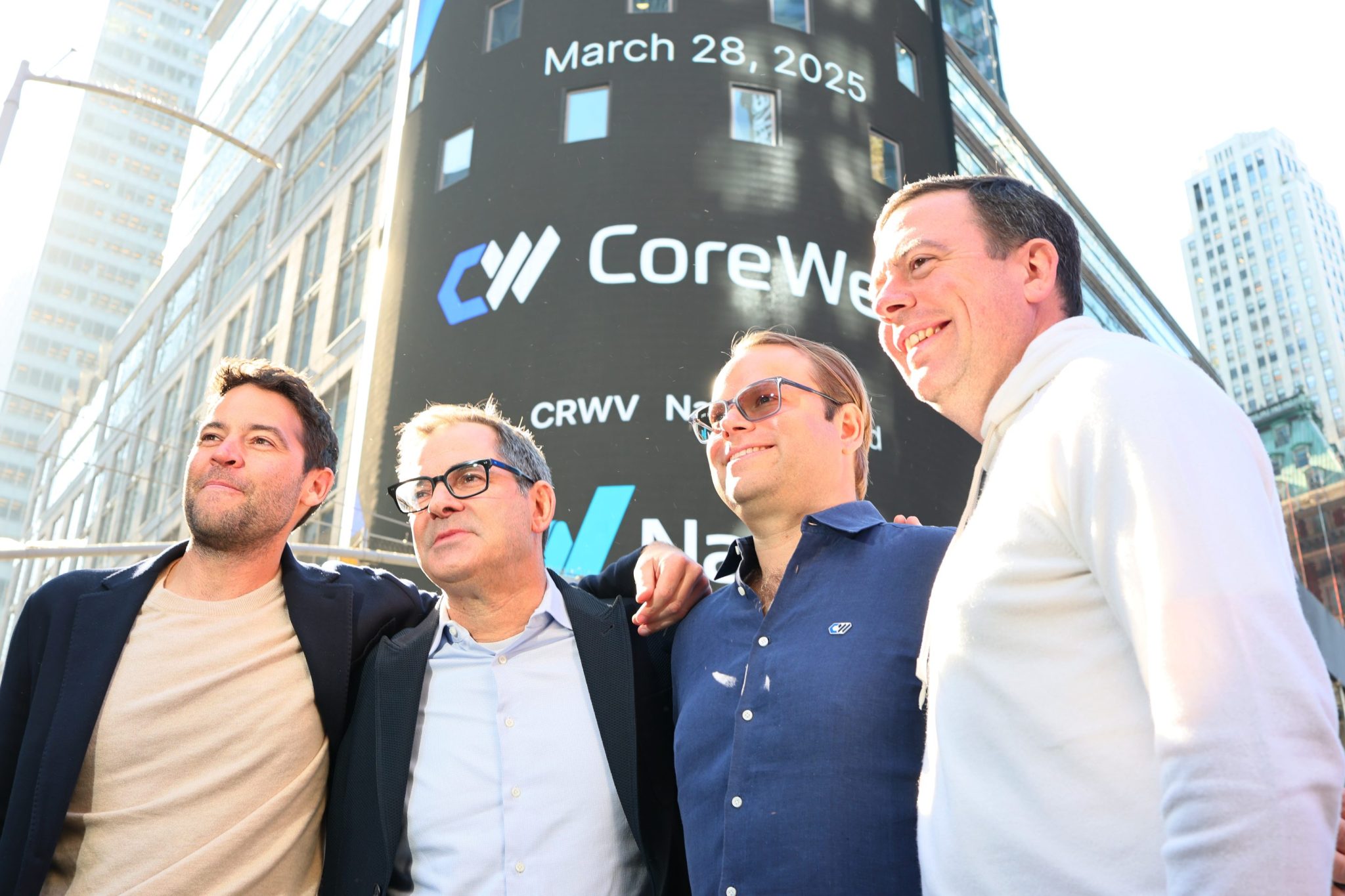
Neostellar Capital principal Evan Schlossman said CoreWeave's $103.7 billion in remaining performance obligati…