What happened
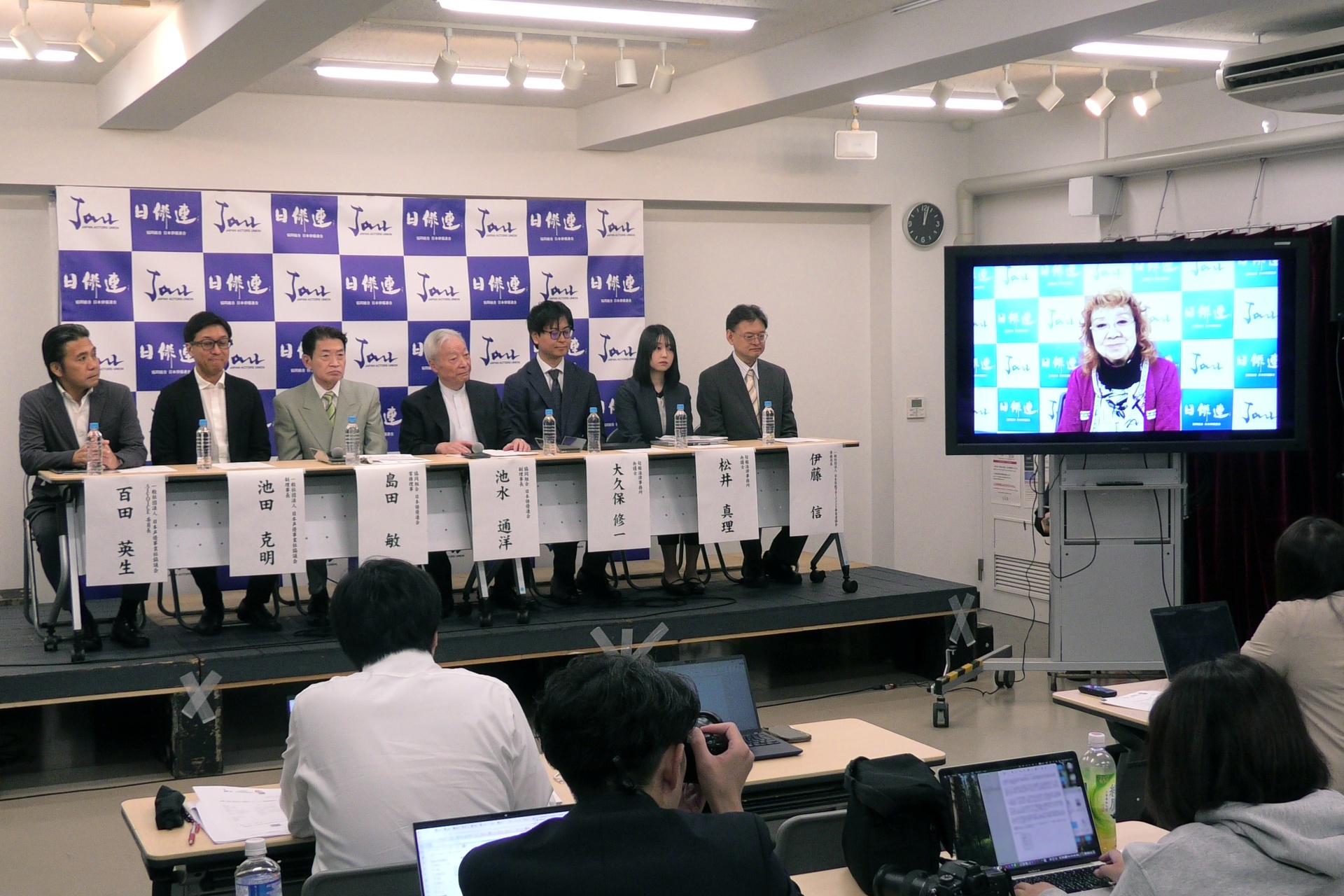
The Japan Actors Union adopted a generative AI guideline for voice on October 15, requiring prior consent from performers at every stage of training, generation and publication.
Why it matters
With no written law comprehensively protecting a person's voice in Japan, the union is setting a self-imposed industry standard and will press government for voice-rights legislation.
WHO IT HITSProduction companies and AI developers doing voice cloning or AI dubbing in Japan now face an industry-set consent and payment standard rather than relying on legislation, while voice actors gain a self-determined rulebook to refuse uses that conflict with their beliefs.
Summaries like this, in your inbox every morning.
The guideline was drafted because Japan has no written law that comprehensively protects a person's voice itself — the union said waiting for government legislation would be too late, so it created a self-imposed standard to give both performers and businesses a common basis for creation and commerce.
Beyond its own industry, the union plans to step up lobbying of national and government bodies to turn voice rights into legislation. The guideline also covers multi-language use: when AI translates an original performance and generates dub audio, it sets out points of caution so the artistic identity of the performance is protected and unintended nuance shifts or unauthorized use in overseas territories are prevented. Additional permission and payment linked to global deployment are guaranteed in those cases.
The document also defines compensation for AI-generated voice use as equivalent to a new form of providing a performance, framing AI not only as something that takes work away but as a tool performers can license for income. For deceased performers, it establishes ethical rules requiring strict permission from the bereaved family or rights manager before any AI clone is made, to protect their dignity and brand.
Pick your industry and the AI tools you use, and get news related to your work every day.
Free · 30 seconds with Google · unsubscribe anytimeWhat is AIToday? →
Ask AI anything about this article. The AI reads this article, earlier AIToday articles, and Wikipedia, and cites its sources. Q&As are published on this page for other readers too.
White Circle's RISE attack generated sexual imagery on DALL·E 3, Nano Banana 2 and GPT-Image-2 with success ra…

Pharmaceutical Executive will host a November 4, 2026 webcast introducing the RAIL Score, a framework for eval…

Google Deepmind's Haydn Belfield says AI drives no measurable acceleration in AI research

Nvidia CEO Jensen Huang told Fortune the pope is "asking all the right questions," after Pope Leo XIV said AI-…

In its June 30, 2026 service availability update, AWS said nine SageMaker AI features, Amazon Bedrock Agents (…

Between September 28 and October 8, 2026, agents on Tencent Cloud made over 2,600 scraping attempts on Amap, p…