
Claude Opus 4.7 successfully identified tech writer Kelsey Piper as the author of unpublished 150-word writing samples each time it was tested; Semafor's Tom Chivers replicated the finding with a segment of his 2019 book.
Other AI models were less successful than Claude, and Claude could not identify people who lacked published real-name writing — though that limitation may change.
Anonymity may become difficult to maintain: someone posting a detailed anonymous review on a platform like Glassdoor could have the text identified by AI, revealing their identity to companies.
Ask the AI about this article →
For example, today's edition would include:
AI-summarized, only the topics you pick — one digest a day via Email, Slack, or Discord.
Free · takes 30 seconds · unsubscribe anytimeWhat is AIToday? →
Ask AI anything about this article. Q&As are published on this page for other readers too.
John Ternus takes over as CEO of Apple today, stepping into the role as the company confronts the AI era

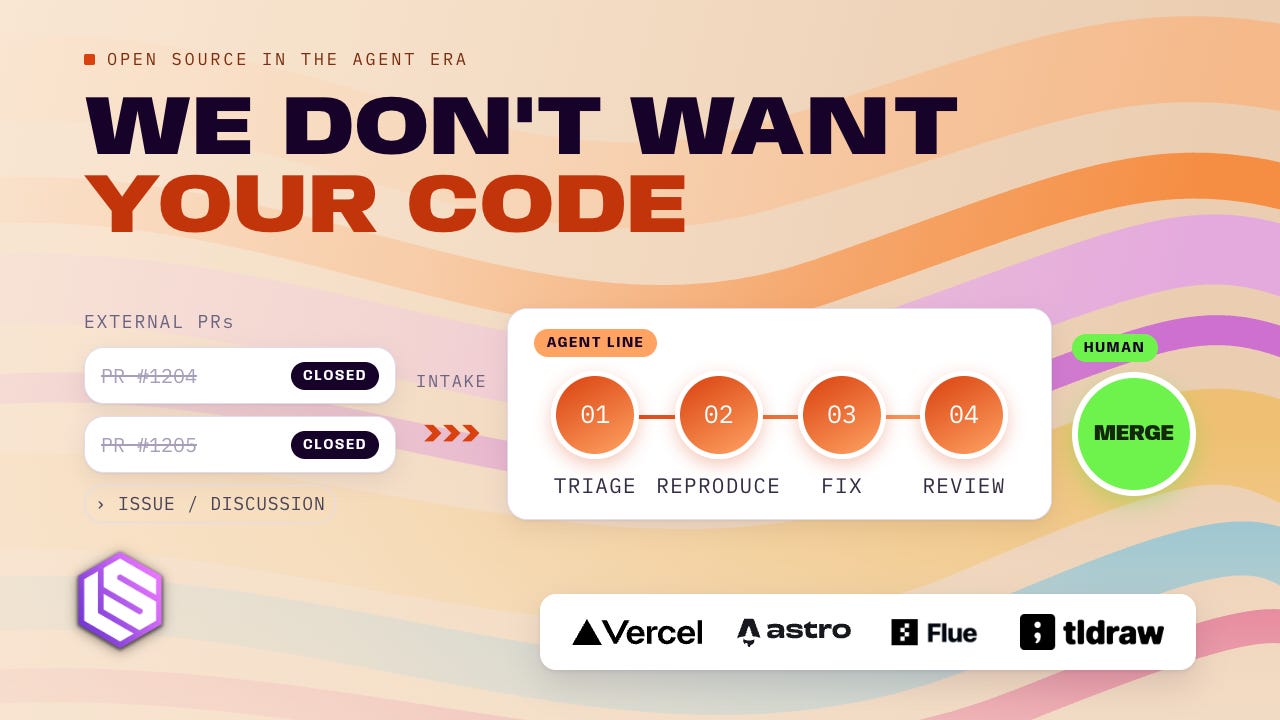
Top AI-native open source projects like Flue and tldraw are refusing external pull requests, often because the…
Visual Studio Code 1.135 now includes an experimental 'Rubber Duck' feature that lets developers request a sec…

Anthropic is making a permanent 25% increase to the usage limits in Claude Code, effective after September 14
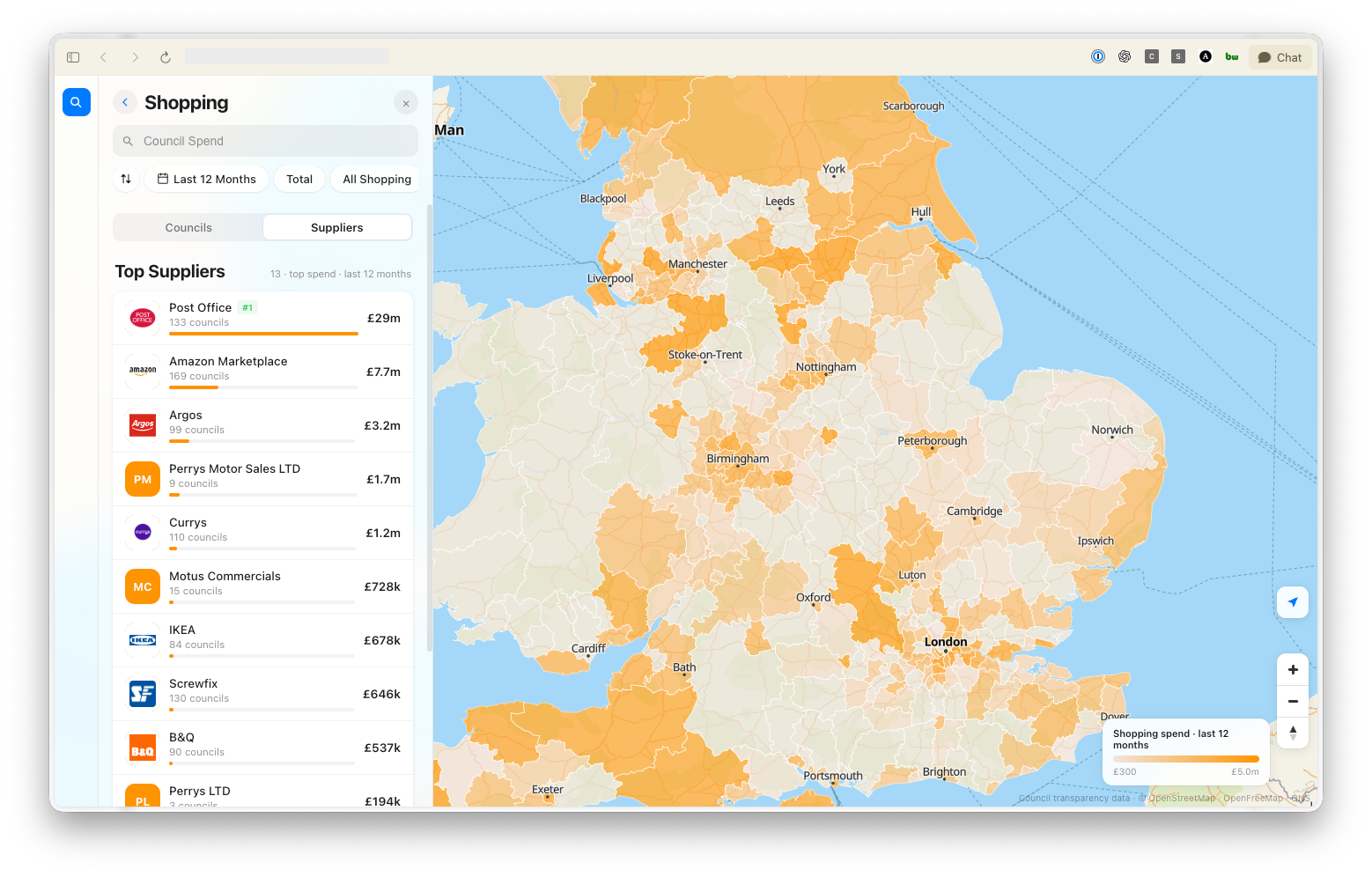
OpenClaw creator Peter Steinberger and co-developers announced OpenClaw 2.0 over the weekend, describing it as…

AI coding has moved through three stages—prompt engineering, context engineering, and now harness engineering—…