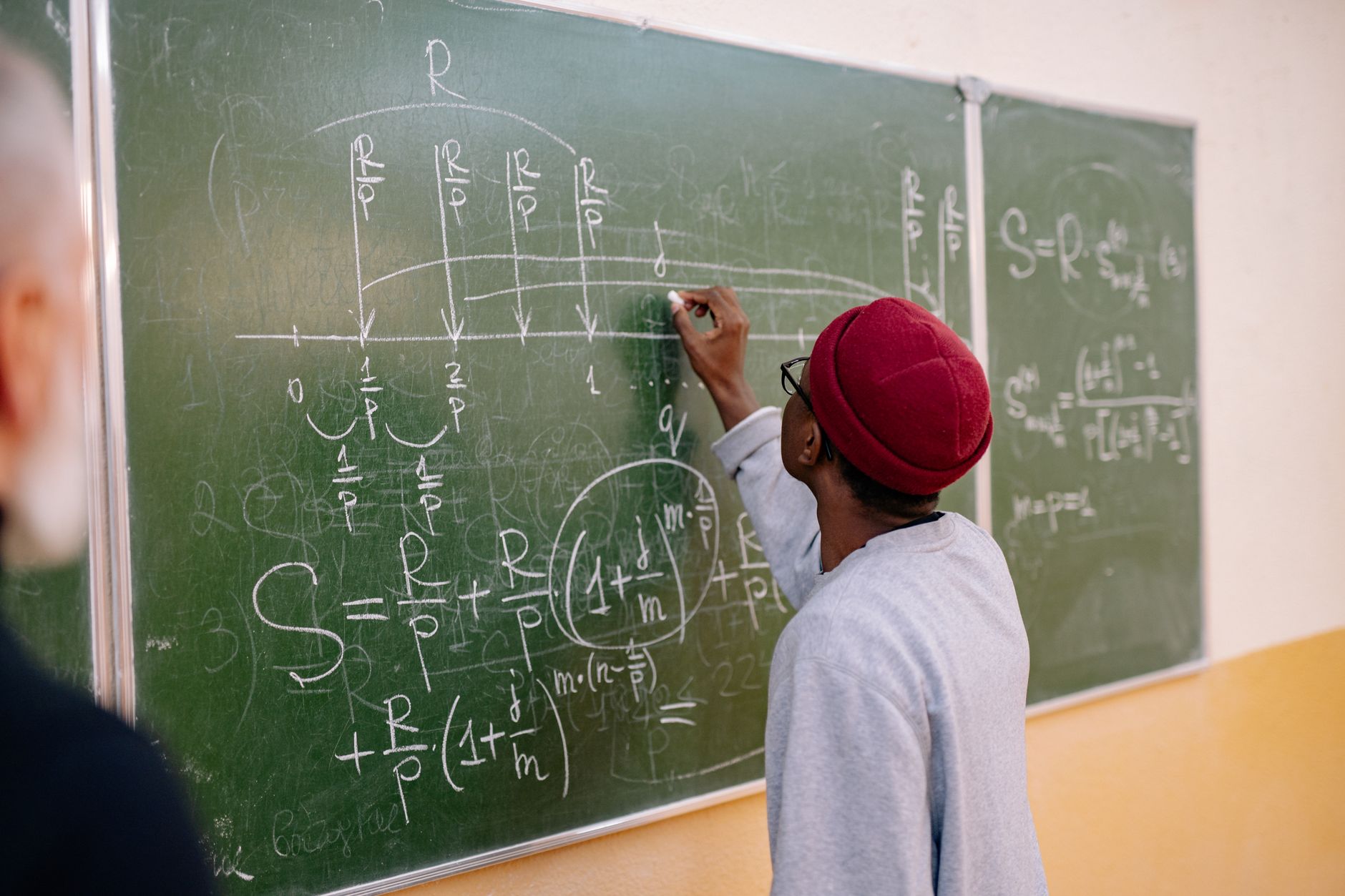
What happened
A Zenn article by Hiromi lays out Continuous Reasoning Acquisition (CRA), a design for capturing veteran judgment by starting from daily work logs and asking only about gaps versus the procedure manual, illustrated with a fictional filler No.2 case.
Why it matters
It reframes know-how transfer as a record-first process rather than a one-off interview, so the judgment behind deviations from the manual can be preserved and later compared across staff.
Summaries like this, every morning.
A familiar problem in manufacturing, maintenance, and infrastructure: veteran workers retire before their tacit knowledge and judgment are passed on. Interviews are the obvious answer and are increasingly assisted by AI interview agents, but there are two limits. Asked how they usually decide, veterans tend to give generalities, and events from months earlier lose their detail. Interviews also reach only the veterans who have time to sit for one, and capture judgment only up to that point.
The site already holds a large volume of records—work reports, maintenance logs, trouble histories, inspection checklists, and equipment operation logs—that preserve what happened, where, and what was done. What those records lack is the reason a particular action was chosen and why alternatives were not. CRA is designed to bridge the two by using each recorded event as a starting point and asking only about the missing reason. A fictional filler No.2 case shows the pattern: a veteran adjusted tightening torque instead of replacing a seal, and three short exchanges surfaced the observations, a rule of thumb, and the condition for switching to replacement.
A comparison element must record whether the person or the question introduced the alternative, since a rejection reason offered after the fact may be a constructed explanation. It also warns that veteran judgment is not always right and that some procedures exist for safety reasons, so inferred and unconfirmed conditions should be treated only as material for revising manuals or AI support, not adopted unchecked.
Pick your industry and the AI tools you use, and get news related to your work every day.
Free · 30 seconds with Google · unsubscribe anytimeWhat is AIToday? →
Ask AI anything about this article. The AI reads this article, earlier AIToday articles, and Wikipedia, and cites its sources. Q&As are published on this page for other readers too.
Oxide Computer Co., which raised $445 million in October to expand rack production, built its business on the…
OpenAI now requires gateways and routers that provide third-party access to its AI models to be reviewed and a…
Running the official harness, Claude Opus 5.5 wrote an ARC model with no gradient descent and no forward calls…
Major US tech companies are refocusing generative AI competition from answer quality toward agent capability…
The Nov 19 arXiv paper found ICLR critique overlap rose from 12.0% in 2026 to 21.3% in 2027, with LLM-flagged…

Researchers at the Technion, University of Haifa, and Google Research released AltRA-Test, which checks whethe…

