
Mizuho cut Intel's price target to $92 from $109 on September 3.
The firm is cautious on valuation despite strong AI-driven demand.
Intel faces potential CPU supply shortages next year.
What happened
Mizuho lowered its price target on Intel to $92 from $109 on September 3, even as its note sounds bullish on the company's business.
Why it matters
The firm cites strong demand from Agentic AI, server refreshes, and improving PC demand, but CPU supply constraints and valuation concerns keep it on the sidelines. The target cut appears driven by valuation compression across AI stocks, not deteriorating fundamentals.
What to watch
Whether Intel can meet demand despite CPU supply constraints, which could limit unit growth and open doors for competitors. Watch for updates on foundry revenue, with Mizuho expecting Advanced Packaging Revenue to reach $3.5 billion by 2029.
Ask the AI about this article →
Summaries like this, in your inbox every morning.
Mizuho's note reflects a common tension in the market: strong fundamental tailwinds against rich valuations. The firm acknowledges Intel's favorable position in Agentic AI, where server OEMs report accelerating demand into 2027, and notes that CPUs play a crucial role in AI infrastructure, acting as managers to GPUs. However, the immediate concern is not the business trajectory but how much investors should pay for it today, given broad valuation compression across AI-related stocks.
The demand picture is bolstered by server refreshes and early signs of corporate PC upgrades, alongside potential foundry growth. Mizuho projects Advanced Packaging Revenue to reach $3.5 billion by 2029, with external customers for Intel's 14A process potentially adding another $3.5 billion. Yet this optimism is tempered by supply constraints that Mizuho warns could lead to customer shortages next year, possibly limiting unit growth and creating openings for competitors.
The price target cut, therefore, is more about market sentiment than business health. Notably, hedge fund interest has grown: 138 funds held Intel at the end of the second quarter, up from 112 previously, with significant positions from Coatue Management and AQR Capital Management. The outcome hinges on whether Intel can navigate its supply constraints and whether the broader AI stock valuation correction persists, making the current target more a reflection of market discipline than a bet against Intel's AI opportunities.
For example, today's edition would include:
AI-summarized, only the topics you pick — one digest a day via Email, Slack, or Discord.
Free · 30 seconds with Google · unsubscribe anytimeWhat is AIToday? →
Ask AI anything about this article. Q&As are published on this page for other readers too.
In January, Ukraine's defense ministry said it would share millions of data points from tens of thousands of d…

OpenAI Group PBC acknowledged it did not publicly disclose an episode where its AI agents wrote to outside web…

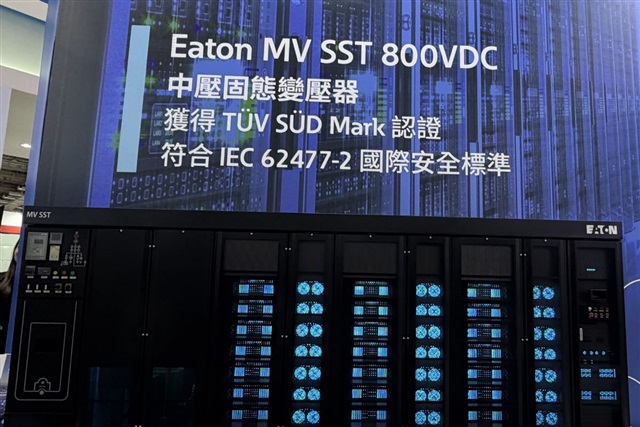
Eaton is expanding beyond traditional power management into modular power deployment, next-generation DC conve…
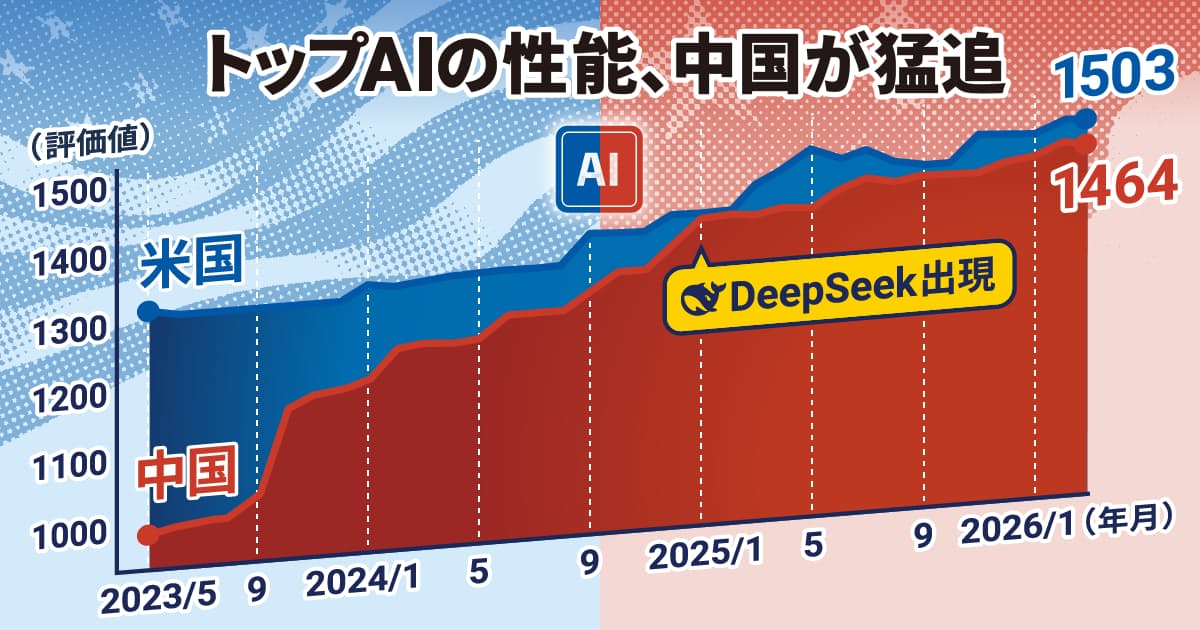
Stanford University reports that the performance gap between top US and Chinese AI models has narrowed sharply…
Apple is set to release iOS 27 around mid-September, likely on Sept

A new lawsuit alleges Meta turned footage captured through its AI-powered Meta Glasses into training data for…