What happened
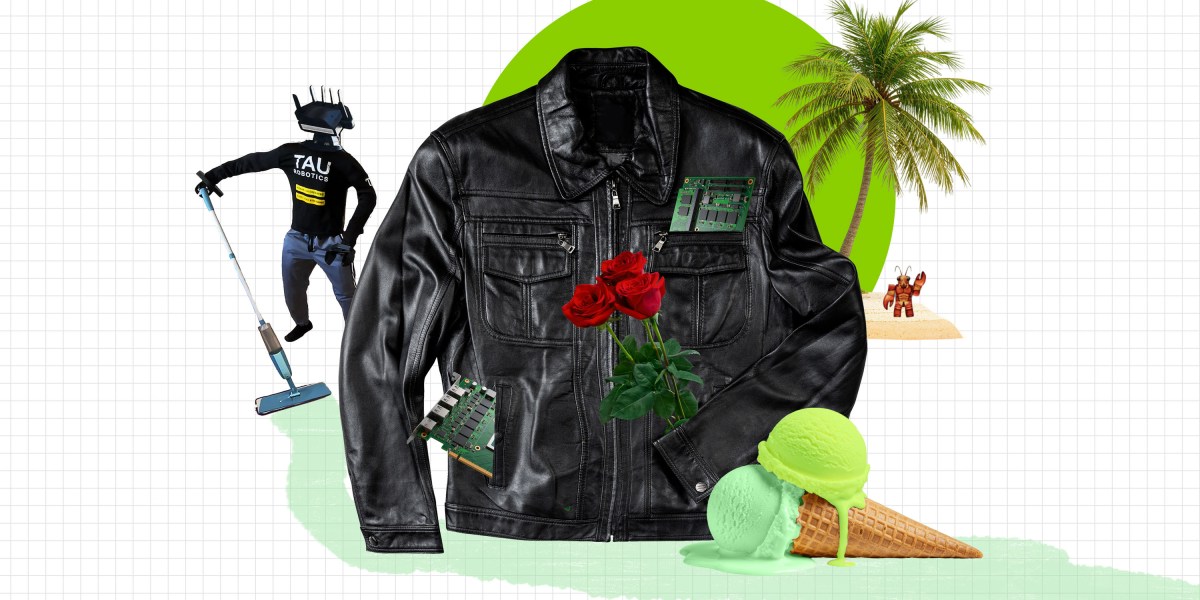
A Fortune dispatch from San Francisco describes humanoid robot cage fights staged by REK (Robot Entertainment Kombat) in a former mattress showroom, nanoparticles being snorted in brain-computer interface startup Subsense's NanoBCI, and billboards urging employers to 'stop hiring humans.'
Why it matters
The dispatch argues that the usual tools for separating a genuine breakthrough from a sales pitch can feel unequal to the task, because even the smart people building large language models admit the models are a black box they don't fully understand.
Summaries like this, every morning.
The dispatch paints a picture of a city where the bizarre has become routine. A former mattress showroom on Van Ness Avenue now hosts six-foot-tall humanoid robots—some with steel claws—fighting in an arena for a passionate fan base. Nearby, a Palo Alto startup called Subsense is developing a brain-computer interface, NanoBCI, that involves snorting nanoparticles rather than drilling into the skull, an approach advisor Ray Kurzweil—who popularized the idea of the Singularity—says could help humans reach 'longevity escape velocity' by 2032.
What makes this moment different from past booms, the dispatch suggests, is that even the people building the core technology admit they don't fully understand it. Large language models are described as a black box: their makers can pull levers and turn dials, but the essence of what's inside remains a mystery. That uncertainty, the piece argues, explains why the usual filters for sorting real breakthroughs from sales pitches feel inadequate, and why the questions swirling around AI—consciousness, suffering, control—keep getting bigger and more existential.
The dispatch notes that previous booms, like the internet, were grounded in a shared conception of reality; when the dotcom bubble burst, business models collapsed, not our understanding of how the world worked. Now, with the Anthropic cofounders describing an incipient 'age of miracles' in their IPO letter, the piece suggests that miracles are about faith rather than understanding—and that in Silicon Valley, faith may be all we're left with.
Pick your industry and the AI tools you use, and get news related to your work every day.
Free · 30 seconds with Google · unsubscribe anytimeWhat is AIToday? →
Ask AI anything about this article. The AI reads this article, earlier AIToday articles, and Wikipedia, and cites its sources. Q&As are published on this page for other readers too.
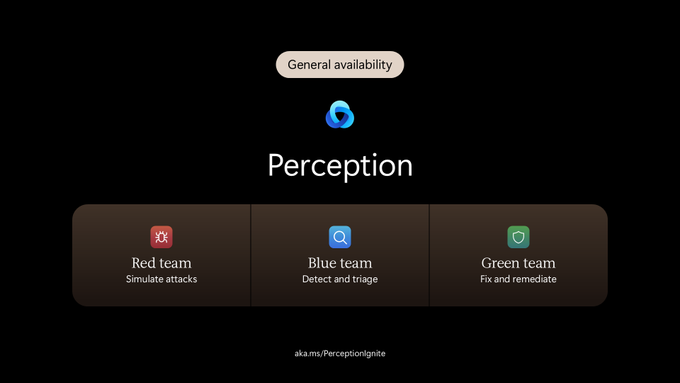
At Microsoft Ignite 2026, Microsoft said Microsoft Perception is now generally available, combining red, blue…
At Microsoft Ignite 2026, Microsoft released a public preview of Windows Server 2028, which adds AI inference…
BrightAI raised $97 million in a round led by Smith Point Capital, with GE Vernova and existing backers includ…

AUMOVIO chose Databricks Unity Gateway as its single route to LLMs after a cross-functional taskforce picked o…
CADMAGEDDON scores 0.991 on BenchCAD's 64³ voxel IoU over a 1000-part subset, above vendor-reported 0.963, 0.9…

MIT Technology Review's AI Hype Index describes AI spreading everywhere, citing Google's AI Overviews costing…